 Bellingham Exterior
 Barkley's Climate Is Harder on Siding Than It Looks
Barkley sits close enough to Bellingham Bay and the broader Salish Sea that homes here deal with a steady diet of salt-laden air on top of everything else Whatcom County weather throws at a house. That combination — salt air, driving wind-driven rain off the water, and a long, damp moss season that can run from fall through spring — is exactly the kind of environment that separates siding that looks good in a showroom from siding that actually holds up on a real Bellingham home for twenty-plus years.
Salt air is corrosive to fasteners and trim metal, and it accelerates the breakdown of finishes that weren't engineered for coastal exposure. Driving rain doesn't just wet a wall — it gets pushed sideways under laps and around penetrations if the siding and flashing details aren't done correctly. And moss and algae don't just grow on roofs here; they take hold on any siding surface that stays damp too long, especially on north-facing walls and anywhere tree cover blocks sun and airflow. A siding system and installation approach that ignores any one of these three factors is setting a Barkley homeowner up for problems well before the siding should be due for replacement.
Why We Only Install James Hardie in This Climate
We install James Hardie fiber cement siding exclusively — not vinyl, not LP SmartSide, not Cemplank or Allura, not primed spruce or cedar. That's not a marketing angle, it's a standard we hold because of what we see on homes in exactly this kind of coastal, wet, mossy environment. Fiber cement doesn't rot, doesn't feed moss the way wood-based products can, and doesn't warp or buckle the way vinyl can when temperatures swing or when it's improperly fastened. James Hardie's ColorPlus factory finish is baked on and warranted against fading and flaking in a way that field-applied paint on other substrates simply isn't.
We're not going to tell you every alternative product is worthless — some have real strengths. But for a home in Barkley, exposed to salt air and sustained moisture, the trade-offs of cheaper or wood-based siding (moisture absorption, more frequent repainting, vulnerability to pests and rot at cut edges) outweigh the upfront savings. Hardie is engineered specifically for climates like this one, and that's the product we stand behind.
What Barkley's Housing Mix Means for Siding Choice
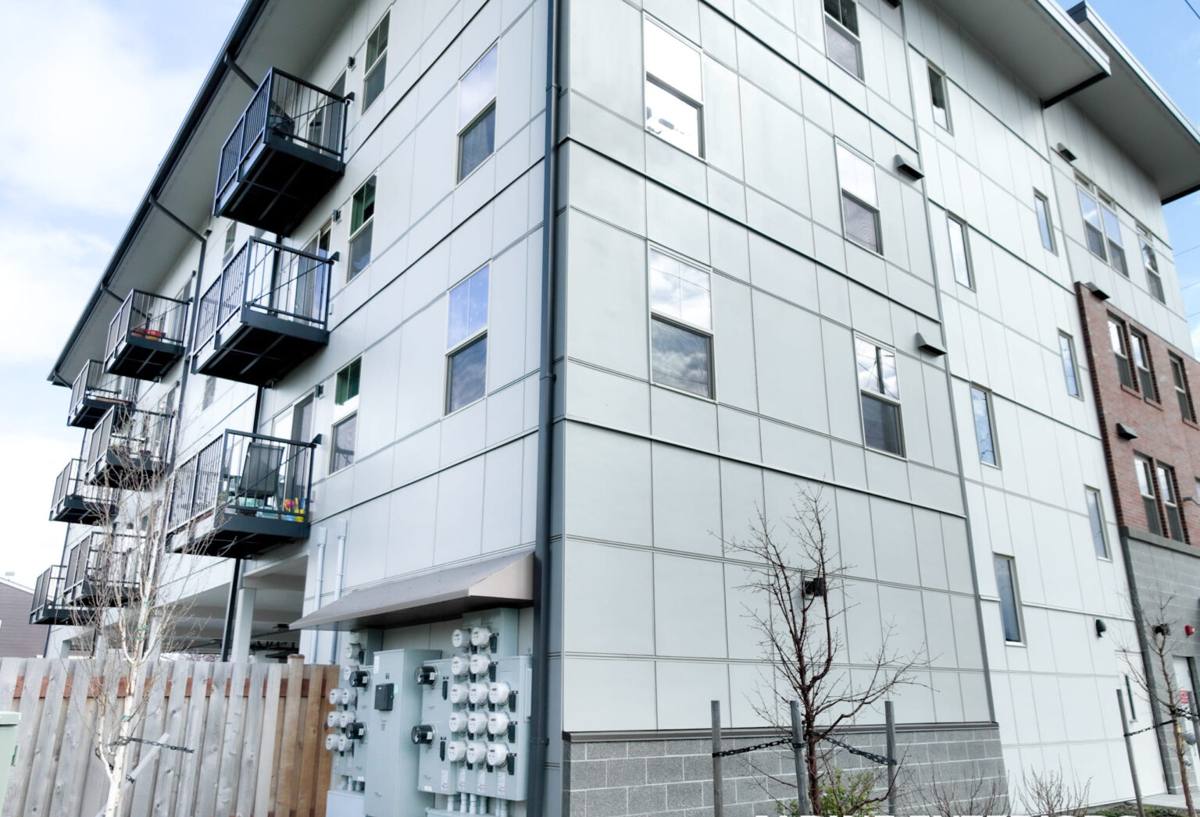
Barkley is a planned community with a more cohesive architectural character than a lot of older Bellingham neighborhoods — consistent rooflines, coordinated color palettes, and a mix of single-family homes, townhomes, and low-rise residential buildings built to a shared aesthetic standard. That consistency matters when you're choosing siding: James Hardie's factory-matched color palettes and trim profiles make it easier to keep a home looking like it belongs on its street, rather than sticking out with a mismatched vinyl replacement job or a wood repair that weathers differently than the rest of the house.
James Hardie Product Lines That Make Sense for Barkley
Not every Hardie product is the right fit for every wall. Part of doing this job correctly is matching the right line to the right exposure — especially on elevations that take the worst of the rain and salt air, or that stay shaded and damp long enough to grow moss.
| Product Line | Best Use on a Barkley Home | Why It Fits |
|---|---|---|
| HardiePlank Lap Siding (HZ5) | Primary field siding, all elevations | Engineered for the Pacific Northwest's wet climate zone; standard for most of the house |
| HardieShingle | Accent gables, dormers | Adds texture and architectural interest without switching materials |
| HardiePanel Vertical Siding | Modern facades, entry accents | Common in Barkley's more contemporary builds; clean, low-maintenance lines |
| HardieTrim | Corners, window and door surrounds | Fiber cement trim resists the same moisture and rot issues as wood trim |
| ColorPlus Finish (any line) | All exposed surfaces | Factory-cured finish holds color and resists fading better than field-applied paint, especially under salt air exposure |
What Correct Installation Actually Involves
Most of the siding failures we get called out to inspect in Whatcom County aren't a materials problem — they're an installation problem. James Hardie's own warranty is contingent on installation following their published fastening, clearance, and flashing specifications, and it's easy for a crew that doesn't specialize in fiber cement to cut corners that don't show up as a problem for a few years.
- Correct nail placement and fastening pattern — hand-nailed or properly calibrated pneumatic tools, no over-driven or under-driven fasteners
- Minimum clearance from siding to grade, roofing, decks, and other hard surfaces so moisture has somewhere to go
- Proper house wrap and rainscreen or drainage plane behind the siding, especially important on rain-exposed elevations
- Correctly lapped and sealed flashing at every window, door, and penetration — the single most common source of hidden water intrusion
- Factory-cut and sealed field cuts, since exposed raw edges are where moisture wicks in fastest
- Caulking only where James Hardie specifies it — over-caulking traps moisture just as badly as leaving a real gap uncaulked
- Ventilation and spacing that accounts for shaded, damp wall sections prone to moss and algae growth
Skipping any one of these doesn't necessarily cause a visible problem right away. It shows up two, five, or ten years later as staining, soft trim, or moss creeping in behind laps — by which point it's a repair job, not a maintenance item.
Our Process for a Barkley James Hardie Install
1. On-Site Assessment
We walk the whole exterior, not just the elevation you called about. We're looking at existing moisture damage, current siding and trim condition, drainage around the foundation, and which walls take the worst of the wind-driven rain and which stay shaded long enough to be moss-prone.
2. Product and Color Plan
We match Hardie product lines to each elevation's real exposure, not a one-size-fits-all spec, and help you choose a ColorPlus palette that fits Barkley's existing streetscape.
3. Tear-Off and Substrate Check
Old siding comes off so we can actually see the sheathing underneath. Any rot, soft spots, or prior water damage gets repaired before a single new panel goes up — covering a hidden problem with new siding just delays it.
4. Weather Barrier and Flashing
House wrap, drainage plane, and flashing go in to spec at every window, door, and penetration before siding installation starts.
5. Installation to James Hardie Spec
Fastening, clearances, and joint treatment follow the manufacturer's published requirements, which is also what keeps the product warranty intact.
6. Final Walkthrough
We go over the finished job with you, point out anything to watch for, and cover the maintenance schedule specific to your home's exposure.
Why Hiring a Crew That Already Works Barkley Matters
A crew that regularly works this neighborhood already knows which elevations in Barkley tend to take the worst wind-driven rain, which lots stay shaded long enough to need extra attention to moss and algae, and how the area's HOA or design guidelines typically expect exterior work to look once finished. That local familiarity means fewer surprises during tear-off, a color and trim plan that fits the neighborhood on the first try, and a crew that isn't learning Whatcom County's coastal moisture patterns on your dime.
Maintenance in a Salt Air, Moss-Prone Climate
James Hardie siding is low-maintenance compared to wood or repainted alternatives, but "low-maintenance" doesn't mean "no maintenance" — especially this close to the water.
| Task | Frequency in Barkley's Climate | Why It Matters Here |
|---|---|---|
| Rinse siding (garden hose, low pressure) | 1-2x per year, more on shaded walls | Removes salt residue and slows moss/algae buildup |
| Inspect caulking and trim joints | Annually | Salt air and rain cycles can degrade sealant faster than inland climates |
| Clear debris from wall/ground contact areas | Seasonally | Maintains required clearance so moisture can drain and dry |
| Check gutters and downspouts | Fall and spring | Overflow during driving rain is a top cause of siding water damage |
Cost Factors for a Barkley James Hardie Project
Every home is different, but a few factors consistently drive cost on Hardie projects in this area: how much of the existing wall assembly needs repair once old siding comes off, how many stories and how much trim detail the home has, which product lines are specified per elevation, and how much of the job involves matching an existing color scheme versus a full repaint. We'll walk through all of this with real numbers during your on-site estimate rather than guessing at a number here.
Let's Look at Your Home
If you're weighing a siding replacement on a Barkley home, we're happy to come take a look, point out what your specific elevations are dealing with, and put together a straightforward estimate — no pressure, no sales script. Use the form below to get started.