 Bellingham Exterior
 "How much does a new roof cost?" is one of the first questions every homeowner asks, and it's also one of the hardest to answer honestly over the phone. Two houses on the same Bellingham street, similar square footage, can land $8,000 apart once a crew actually gets on the roof and measures pitch, layers, and decking condition. This page walks through what actually drives roof pricing in Whatcom County, so you can read a bid intelligently instead of just comparing bottom-line numbers.
Why Roof Estimates Vary So Much
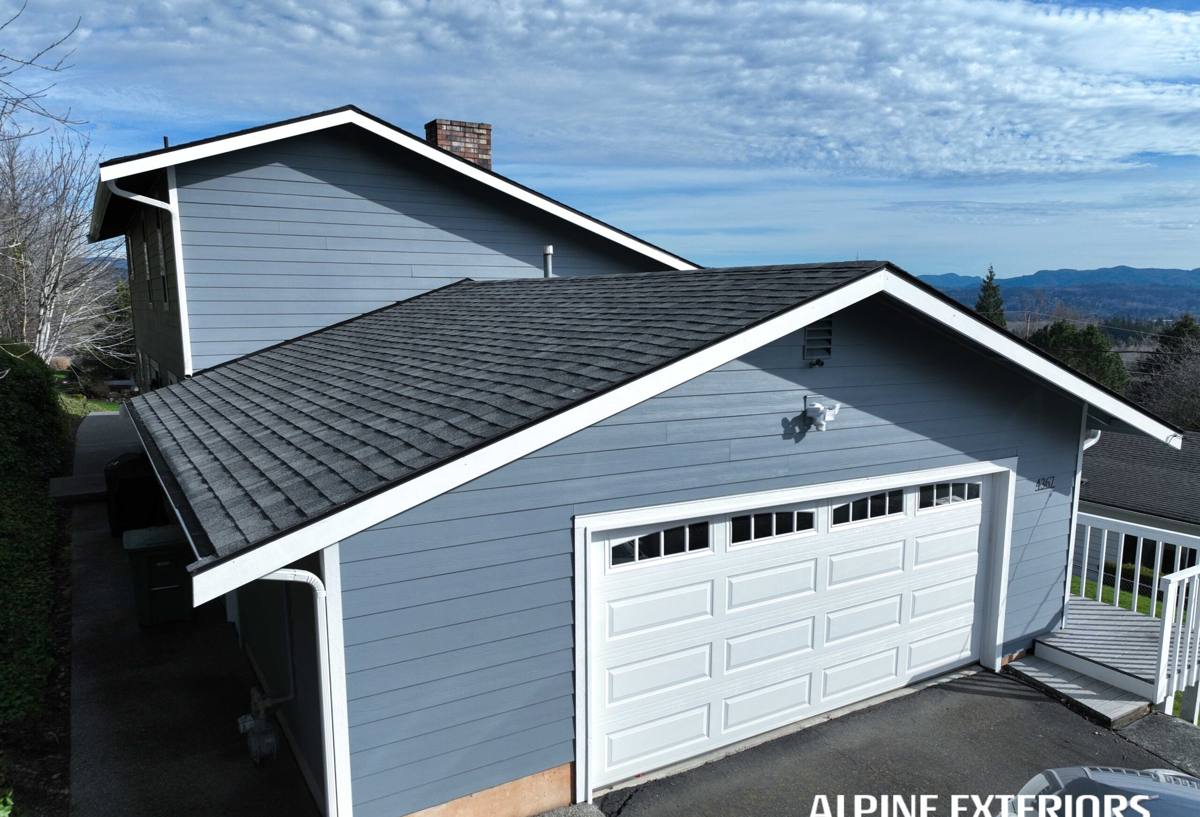
Roofing is priced by the square (100 square feet of roof area), but the price per square shifts based on a dozen factors that have nothing to do with square footage. A steep, cut-up roof with six valleys and three skylights costs far more per square than a simple gable roof of the same size, because steep pitch slows down every part of the job and complex geometry means more flashing, more waste, and more labor hours. That's why a phone quote or a drive-by estimate is never reliable — a legitimate bid requires someone on the roof with a tape measure and a pitch gauge.
The Estimate Isn't Just Material Times Area
Material cost is usually the smaller half of a roofing bid. Labor, disposal, permits, underlayment, flashing, ventilation components, and the condition of what's underneath the old roof typically add up to more than the shingles or metal panels themselves. When two bids differ sharply, the gap is almost always in labor scope or corner-cutting on the parts you can't see once the roof is closed up.
The Major Cost Drivers
| Factor | Why It Moves the Price |
|---|---|
| Roof size and pitch | Steep or multi-story roofs need scaffolding, harnesses, and slower, more careful work |
| Roof complexity | Valleys, dormers, chimneys, and skylights all add flashing labor and material waste |
| Material choice | Composition shingles, metal, and cedar shake carry very different material and labor costs |
| Layers to remove | Tearing off two layers of old roofing costs more than tearing off one |
| Decking condition | Rotten or soft plywood/sheathing found during tear-off has to be replaced before new roofing goes down |
| Ventilation and flashing upgrades | Bringing an older roof system up to current venting and flashing standards adds scope |
| Access and site conditions | Steep driveways, tight lots, or landscaping that limits dumpster and equipment placement adds labor time |
| Permits and disposal fees | Set by the city or county and by the volume of tear-off debris |
Material Choice: What You're Actually Paying For
Most Whatcom County homes are roofed in composition (asphalt) shingles, and for good reason — they perform well in our climate, install relatively quickly, and cover a wide range of budgets depending on the shingle line. Within composition shingles alone, there's a real spread between a basic three-tab product and a heavier architectural or designer shingle with a longer wind and algae-resistance warranty.
Metal roofing costs more up front — often close to double a mid-grade shingle roof — but sheds moss and standing water more effectively and typically carries a much longer service life, which matters in a region where sustained rain and shade cover keep roofs damp for long stretches of the year. Cedar shake looks great and is traditional to the Pacific Northwest, but it requires more maintenance to fight moss and rot here than in drier climates, and insurance costs can be higher. There's no universally "right" material — it's a trade-off between upfront cost, maintenance tolerance, and how long you plan to own the home.
Underlayment and Ice-and-Water Protection
The material you see is only part of the system. A synthetic underlayment and properly placed ice-and-water shield at eaves, valleys, and around penetrations matter as much as the shingle brand for keeping a roof watertight through our wet season. Cutting underlayment quality or coverage is one of the easiest places for a low bid to hide reduced cost — and one of the hardest things for a homeowner to inspect after the fact.
Tear-Off, Decking, and the Surprises Underneath
A responsible roofer tears the old roofing off down to the deck rather than layering new shingles over old ones. Overlay roofs are cheaper up front but trap moisture, hide problems, and shorten the life of the new layer — most manufacturers won't fully warranty a roof installed over an existing layer. Full tear-off also lets the crew inspect the sheathing underneath, which is where the real cost surprises tend to show up.
Years of roof leaks, condensation, or moss-driven moisture intrusion can rot plywood or plank decking in ways that aren't visible from inside the attic or from the ground. Replacing bad decking is priced by the sheet, and a reputable contractor will show you the damaged sections before replacing them rather than padding the invoice after the fact. Ask any contractor you're evaluating how they document and price decking replacement discovered mid-job — the answer tells you a lot about how they'll handle surprises.
What Bellingham's Climate Adds to the Job
Whatcom County roofs deal with a specific combination of stresses: long stretches of driving rain, heavy shade in many neighborhoods that keeps roofs damp and slow to dry, salt-laden air near the water, and a moss season that runs most of the year. That combination shapes both material selection and installation detail:
- Zinc or copper strips at the ridge help suppress moss regrowth on shaded roofs
- Proper attic ventilation prevents condensation-driven rot from the inside, which is just as damaging as rain from outside
- Wider ice-and-water coverage at eaves and valleys accounts for our sustained rain events
- Fasteners and flashing rated for coastal exposure resist corrosion better near the water
- Steep or heavily shaded roofs may need more frequent moss treatment regardless of material
None of these are exotic upgrades, but skipping them to hit a lower bid number tends to show up as moss damage, soft decking, or leaks within a few years — well before a well-built roof should need attention.
Permits, Disposal, and the Line Items People Forget
Reroofing in most Whatcom County jurisdictions requires a permit and inspection, and that cost should be a visible line item in your bid, not something added later. Debris disposal is also a real cost — a full tear-off generates a substantial amount of waste, and dump fees are billed by weight or volume. A bid that's unusually low compared to others is worth asking about directly: is the permit included, is disposal included, and how many layers are being removed?
Timing and Seasonal Demand
Roofing crews in this region are busiest in the drier months, and pricing and availability both tighten up as summer approaches. Scheduling a reroof in shoulder season, when weather allows but demand has eased, can sometimes work in your favor on both price and crew attention — though a good contractor will only roof in weather conditions that let the underlayment and shingles seal properly, regardless of season.
Typical Cost Ranges
These are broad, honest ranges for a standard single-family home in this region — actual pricing depends entirely on the factors above and should always come from an on-roof inspection, not a phone estimate.
| Roof Type | Relative Cost | Typical Lifespan |
|---|---|---|
| Basic composition shingle | Lower | 20-25 years |
| Architectural/designer shingle | Moderate | 25-35 years |
| Standing seam metal | Higher | 40-50+ years |
| Cedar shake | Higher, plus ongoing maintenance | 20-30 years with upkeep |
Cost per square foot is only half the comparison — dividing total cost by expected lifespan often changes which option actually makes more financial sense over the time you plan to own the home.
How to Read a Roofing Bid Without Getting Burned
A written, detailed bid is the single best protection you have. Before signing anything, make sure the proposal spells out:
- Exact material brand and product line, not just "architectural shingle"
- Number of layers being torn off, and disposal method
- Underlayment type and ice-and-water shield coverage
- How decking replacement, if needed, will be priced and approved
- Flashing details at valleys, chimneys, and penetrations
- Ventilation scope — is anything being added or upgraded
- Permit responsibility and who pulls it
- Warranty terms, both manufacturer and workmanship, in writing
A contractor who won't put these details in writing, or who pressures you to sign same-day for a "discount," is a bigger red flag than any price difference between bids. Take the time to compare scope, not just the number at the bottom.
Getting an Estimate You Can Actually Trust
The honest answer to "what will my roof cost" only comes after someone gets up there and looks — at the pitch, the layers, the flashing, and what's likely underneath. We're happy to come out, walk the roof, and give you a straightforward, itemized estimate with no pressure and no games. If you're weighing options for a Bellingham or wider Whatcom County home, request a free estimate below and we'll tell you plainly what your roof needs and what it doesn't.