 Bellingham Exterior
 Exterior Work for Ferndale Homes, Done by a Local Crew
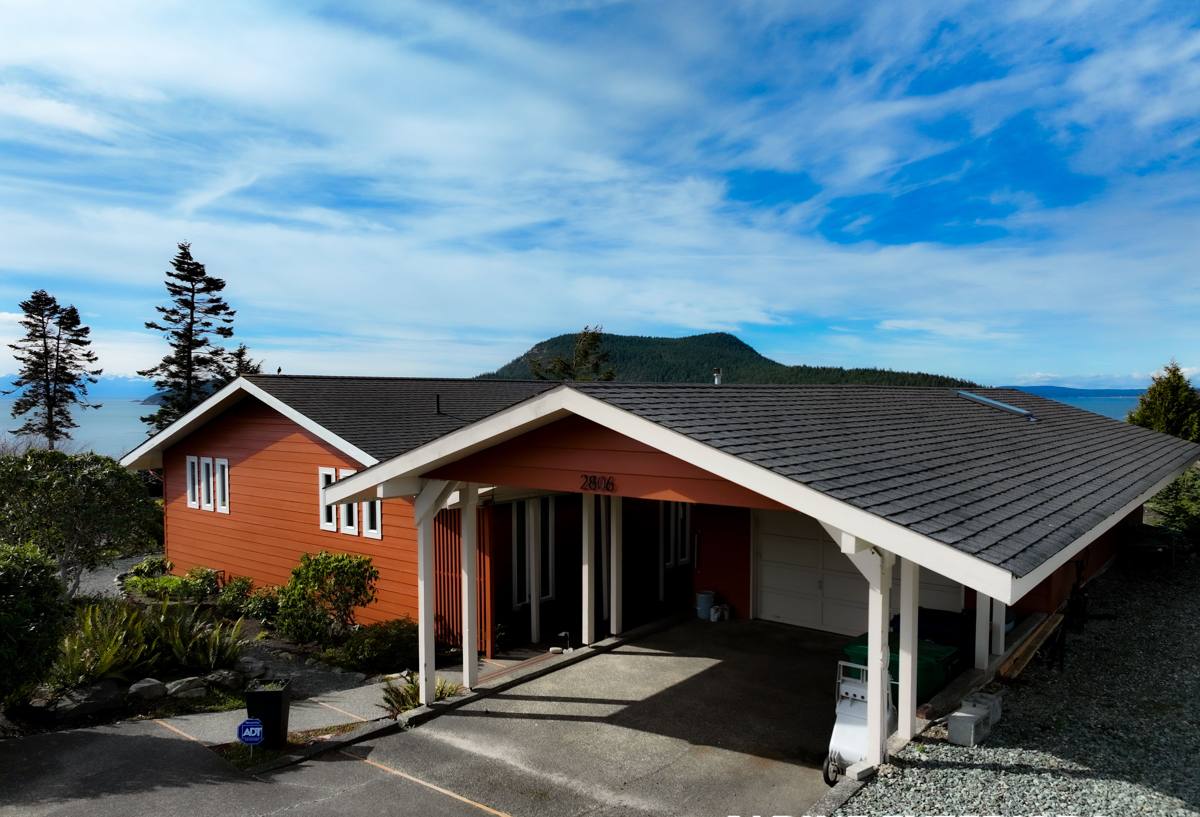
Ferndale sits close enough to Bellingham Bay and the Strait of Georgia that its homes deal with a mix of coastal and inland Whatcom County weather — salt-tinged air rolling in off the water, long stretches of driving rain through fall and winter, and the low, damp light that keeps north-facing walls and rooflines wet for days at a time. Add in the moss and algae growth that thrives in that kind of climate, and you've got an exterior environment that punishes cheap materials and sloppy installation. We work on homes throughout Ferndale and the surrounding Bellingham area, and we've built our whole business around exteriors that are built to actually hold up here, not just look good on installation day.
What Ferndale's Climate Actually Does to a House
It's worth being specific about the mechanisms, because "wet weather" undersells what's really happening to a home's exterior year after year.
Moisture Cycling
Whatcom County doesn't get extreme cold snaps very often, but it does get long, low-intensity wet seasons. Siding, trim, and roofing materials spend months absorbing moisture and slowly drying out, over and over. Materials that swell, wick water, or trap it behind their surface degrade faster here than they would in a drier climate, even one with harsher winters.
Salt Air
Proximity to Bellingham Bay and the Strait means airborne salt is a real factor for homes on the western and northern sides of Ferndale, and it accelerates corrosion on fasteners, flashing, and any metal components on a home's exterior. It also breaks down poor-quality paint and coatings faster than inland air would.
Moss and Algae
Shaded, damp surfaces — north walls, areas under tree cover, low-slope roof valleys — grow moss and algae readily in this climate. Beyond the cosmetic issue, moss holds moisture against the surface underneath it, which is a slow but steady path to rot on wood-based materials and granule loss on asphalt roofing.
Wind-Driven Rain
Storms coming off the water don't just drop rain straight down — wind pushes it sideways into wall assemblies, window frames, and any gap in flashing or caulking. Over years, that's how water finds its way behind siding that looked fine from the street.
Siding: Why the Material You Choose Matters More Here Than Most Places
We install James Hardie fiber cement siding exclusively. We don't install vinyl, LP SmartSide, Cemplank, Allura, primed spruce, or cedar, and in a climate like Ferndale's, that's not a brand preference — it's a practical decision based on how those materials actually perform under sustained moisture and salt exposure.
Vinyl siding is inexpensive and easy to install, and for some budgets and some climates it's a reasonable choice. But it's a thin plastic product that expands and contracts significantly with temperature swings, can crack in cold snaps, and fades under UV exposure over time. It also doesn't offer much in the way of fire resistance, which matters more every year in this region.
Wood-based composite sidings like LP SmartSide use engineered wood strand technology with a resin binder and protective overlay. The technology has improved over the years, but any wood-based product depends heavily on its edges, seams, and cut ends staying properly sealed — because wood fiber that gets wet and stays wet is where rot starts. In a climate that keeps siding damp for weeks at a stretch, that's a real maintenance burden, and any installation lapse compounds over time.
Cedar and primed spruce are traditional, attractive options, but solid wood siding requires ongoing maintenance — refinishing, caulking, and vigilance against moisture intrusion — that most homeowners don't want to keep up with indefinitely, especially in a climate that gives wood so many chances to absorb water.
James Hardie fiber cement is cement, sand, and cellulose fiber — it doesn't have the moisture-driven failure modes of wood products, it's non-combustible, and it holds its factory-applied ColorPlus finish far longer than field-applied paint on wood or composite siding. Hardie's HZ5 product line is engineered specifically for climates with more moisture cycling and freeze-thaw exposure, which fits the Pacific Northwest better than a one-size-fits-all product.
James Hardie Product Lines We Work With
| Product | Best Use | Notes |
|---|---|---|
| HardiePlank lap siding | Most home exteriors | Traditional lap profile, several textures and exposures |
| HardiePanel vertical siding | Modern or mixed-material facades | Often paired with board-and-batten trim |
| HardieShingle | Accent areas, gables | Staggered or straight-edge shingle look without wood upkeep |
| HardieTrim | Corners, window and door trim | Matches siding durability at vulnerable edges |
Roofing: Standing Up to Rain and Moss
Roofs in Ferndale take the brunt of the wind-driven rain and the moss growth we mentioned above. A roof system here needs proper underlayment, correctly lapped flashing at every valley and penetration, and ventilation that lets the attic and roof deck actually dry out between storms — not just shingles nailed on over the old layer. We pay particular attention to valleys and roof-to-wall transitions, since that's where wind-driven rain finds its way in if flashing details are cut short. Moss prevention starts with keeping trees trimmed back where reasonable and using roofing products and treatments suited to shaded, damp conditions, rather than fighting an uphill battle every spring.
Windows: Where Air and Water Meet the Wall
Window openings are one of the most common places water gets into a wall assembly, because every window is a cut in the weather barrier that has to be flashed and sealed correctly. In a climate with as much sustained rain as Ferndale sees, that installation detail matters as much as the window unit itself. We integrate window flashing with the siding installation so water is directed out and down, not trapped behind the frame. Beyond moisture control, updated windows also cut down on the drafts and condensation that older, single-pane or poorly sealed units let through during the wetter months.
Decks: Built for a Climate That Never Fully Dries Out
Decks in this area deal with the same moss and moisture cycling as siding and roofing, plus the added stress of foot traffic and standing water if drainage isn't right. Proper decking work starts with structural framing that sheds water instead of trapping it, joist protection to prevent hidden rot, and decking material and fastening choices that account for a long, damp season rather than assuming a dry summer will fix everything. Composite decking has come a long way for low-maintenance performance, but the framing and drainage underneath it matter just as much as what's on top.
Why a Local Crew Matters for Ferndale Homes
Exterior work isn't just about installing a product correctly in general — it's about installing it correctly for the specific conditions a home actually faces. A crew that works throughout Whatcom County knows how far Ferndale's coastal exposure extends, which areas see more wind-driven rain off the bay, and where moss pressure tends to be worse due to tree cover and shade patterns. That local knowledge shapes real decisions: flashing details, product selection, and maintenance recommendations that are calibrated to this climate rather than a generic install. It also means a crew that's easy to reach if a question comes up after the job is done, rather than a company that did one job in the area and moved on.
Signs Your Exterior Needs a Closer Look
- Moss or algae streaking on siding, especially on north-facing or shaded walls
- Soft or spongy spots on wood trim, fascia, or deck boards
- Paint that's peeling, bubbling, or chalking faster than it should
- Visible gaps, cracking, or warping at siding seams and corners
- Granule buildup in gutters or bald patches on asphalt shingles
- Window frames that feel damp or show discoloration on the interior sill
- Rust staining around fasteners or metal flashing
- Musty smell in rooms along exterior walls, which can point to trapped moisture
What to Expect Working With Us
We start with an honest look at your home's exterior — siding, roofing, windows, or decking — and tell you what we actually see, including if something doesn't need full replacement yet. When siding replacement does make sense, we'll walk you through why we install James Hardie fiber cement rather than the lower-cost alternatives, and how that decision plays out over the life of the product in a Whatcom County climate. There's no pressure and no scare tactics — just a straightforward assessment from a crew that works on homes like yours regularly.
If you're noticing any of the signs above, or you're simply due for an exterior check after another wet Whatcom County winter, we're happy to come take a look. Fill out the form below for a free, no-pressure estimate.