 Bellingham Exterior
 Building a Deck That Can Actually Handle Ferndale's Weather
Ferndale sits close enough to the water and open enough to the marine air coming off Bellingham Bay and the Strait of Georgia that a deck here works harder than one built inland. Salt-laden air, long stretches of driving rain, and a moss season that can run from October through April all put steady pressure on wood, fasteners, and finishes. A deck that looks fine on installation day can start showing real problems within two or three winters if it wasn't built with this specific climate in mind.
This page is about one job done right: new deck construction for Ferndale homes. Not a generic overview of decking in general, but what actually matters when you're building on the north end of Whatcom County, a few miles from salt water, under a Pacific Northwest sky that stays wet more months than it's dry.
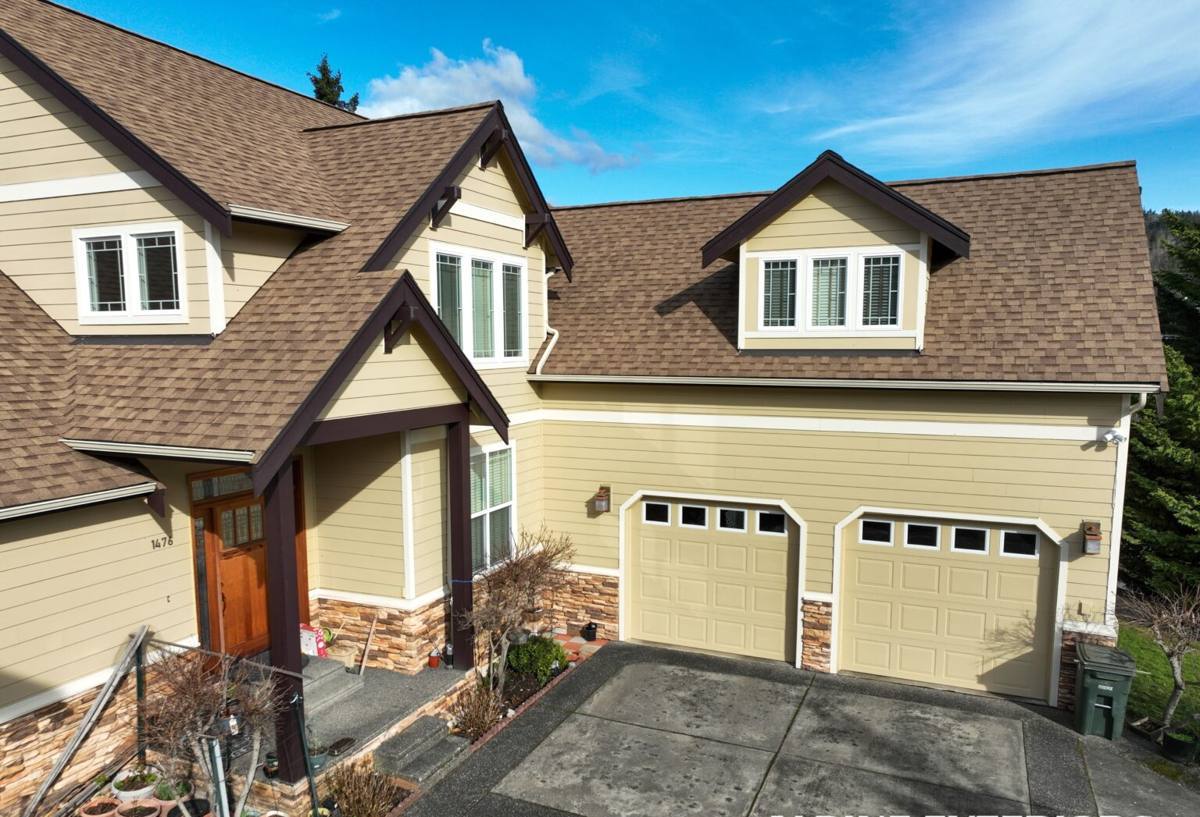
What Ferndale's Climate Actually Does to a Deck
Salt Air and Metal Fatigue
Homes closer to the water pick up airborne salt that settles on every exposed surface, including deck hardware. Standard galvanized fasteners and connectors can start corroding faster near the coast than the same products would a few miles inland. Once a fastener starts rusting, it weakens the connection it's holding — and on a deck, that connection might be the one keeping a railing post upright or a joist properly seated on its hanger.
Driving Rain and Water Intrusion
Whatcom County doesn't just get rain — it gets rain pushed sideways by wind off the water often enough that flashing details matter more here than in drier climates. Water that gets behind ledger boards, under poorly lapped flashing, or into end-grain cuts that were never sealed will find its way into structural wood. Once moisture is trapped against a framing member with no way to dry out, rot follows — often from the inside, where you can't see it until the damage is advanced.
Moss, Algae, and Surface Buildup
Shaded, damp decking surfaces in this region grow moss and algae almost year-round if they're not built to shed water and dry out between rains. Beyond looking bad, a mossy deck surface gets slick and dangerous, and moss holds moisture against the decking material itself, accelerating whatever wear process is already happening underneath.
Choosing the Right Decking Material for This Job
There's no single "best" decking material — there's a best material for a given budget, look, and maintenance appetite, given what this climate does to a deck over time. Here's how the common options actually compare for a Ferndale build:
| Material | Moisture Behavior Here | Maintenance | Typical Lifespan |
|---|---|---|---|
| Pressure-treated wood | Absorbs and releases moisture; needs sealing to resist our rain cycle | Annual cleaning, re-seal every 1-2 years | 15-20 years with upkeep |
| Cedar | Naturally rot-resistant but still needs finish protection in wet climates | Regular cleaning, periodic oil or stain | 15-25 years with upkeep |
| Capped composite | Sheds water well, resists moss growth better than uncapped boards | Occasional washing, no sealing or staining | 25-30+ years |
| Uncapped composite | Can absorb surface moisture over time; more prone to mildew staining | Regular scrubbing to prevent algae buildup | 20-25 years |
| PVC decking | Doesn't absorb water at all; very resistant to moss and staining | Low; occasional rinse | 25-30+ years |
For a lot of Ferndale homeowners, capped composite or PVC decking makes the most sense simply because they don't have to fight moss and moisture every spring. That said, real wood — especially cedar — still has a place when the goal is a specific traditional look and the owner is willing to keep up a maintenance schedule. We'll talk through the honest trade-offs for your situation rather than push one product line.
What a Correctly Built Deck Actually Involves
Footings That Match the Ground They're Sitting On
Everything above the ground depends on what's below it. Footings need to be sized and set to local frost depth and soil conditions, not just poured to whatever looked adequate on the last job. In a region with as much seasonal ground saturation as ours, undersized or shallow footings are one of the more common causes of a deck that starts to feel loose or uneven within a few years.
Ledger Attachment and Flashing
The ledger board — where the deck attaches to the house — is the single most important flashing detail on the whole structure. It has to be properly through-bolted (not just nailed), flashed so water is directed away from the house sheathing, and sealed at every penetration. This is also the detail most likely to be done wrong on a rushed job, because it's easy to hide a bad ledger connection behind decking boards until the problem shows up as water damage inside a wall.
Joist Layout and Spacing
Joist spacing needs to match the decking material being installed — composite and PVC boards often call for tighter spacing than solid wood to prevent sagging over time, especially at angles or diagonal patterns. Using wood-rated spacing under composite decking is a shortcut that shows up as bounce and eventual sag.
Fasteners and Hardware
Given the salt air issue discussed above, hardware selection isn't a minor detail on a Ferndale build — it's a structural decision. Stainless steel or high-grade coated fasteners and connectors cost more up front but hold up dramatically better than standard galvanized hardware within a few miles of salt water.
Drainage and Airflow: The Details Homeowners Never See
A deck that dries out fast after a storm lasts longer than one that stays damp for days. This comes down to a handful of details that don't show on the surface:
- Proper board spacing to let water drain through rather than pool on the surface
- Joist tape or flashing on top of framing members to keep standing water off structural wood
- Adequate clearance and airflow underneath low decks so the framing can actually dry between rain events
- Grading and drainage at ground level so water isn't pooling against footings or posts
- Stair stringers and rail posts flashed or capped where end grain is exposed to weather
None of these are visible once the deck is finished, which is exactly why they get skipped by crews trying to save time. They're also the details that determine whether a deck needs major repair at year eight or is still solid at year twenty-five.
Our Process, Start to Finish
- On-site assessment — we look at the house connection point, grade, sun/shade exposure, and how the space will actually be used before recommending anything.
- Material and design conversation — honest trade-offs between wood, composite, and PVC based on your budget and maintenance preference, not a sales pitch for one product line.
- Permitting — we handle the permit application and coordinate any required inspections so you don't have to chase paperwork.
- Footings and framing — footings set to proper depth, ledger board properly flashed and bolted, joists spaced for the decking material chosen.
- Decking, railing, and hardware install — using fasteners and connectors selected for this specific climate, not generic hardware.
- Final walkthrough — we go over the finished deck with you, including what maintenance (if any) the material requires going forward.
Permits and Local Requirements
Most new deck construction in and around Ferndale requires a building permit, and decks above a certain height typically need engineered railing and stair details reviewed as part of that process. Requirements can vary depending on whether a property falls under city jurisdiction or unincorporated Whatcom County, and setback rules differ by lot. We handle this process as part of the job so you're not left figuring out which office to call — but it's worth knowing up front that a legitimate deck build almost always involves a permit, and any contractor offering to skip that step is cutting a corner that can come back to bite you at resale.
Maintaining a Deck Once It's Built
The material you choose determines how much upkeep is realistic to expect. Whatever you go with, a few habits go a long way in this climate:
- Sweep debris off the surface regularly — trapped leaves and needles hold moisture against the decking
- Wash the surface at least once a year to knock back moss and algae before it takes hold
- Check railing posts and stair connections annually for looseness, especially after a hard winter
- Re-seal or re-stain wood decking on the schedule the product actually requires, not "when it looks bad"
- Keep gutters and downspouts near the deck clear so runoff isn't being dumped directly onto or under it
A deck that gets even minimal seasonal attention will consistently outlast one that's ignored until something looks wrong.
Why It Matters That We Already Work in Ferndale
A lot of what separates a deck that holds up for decades from one that needs early repairs comes down to details that are specific to this exact climate — salt exposure, rain patterns, and the moss cycle that defines a Whatcom County fall and winter. A crew that builds decks in a dry inland climate and simply shows up here for a job isn't necessarily thinking about hardware corrosion near the water or flashing details tuned to sideways rain. We work in this area regularly, which means these aren't judgment calls we're making for the first time on your project — they're standard practice because we've seen what happens when they're skipped.
If you're planning a new deck in Ferndale and want a straight answer on materials, cost factors, and what your specific site needs, we're happy to take a look and put together a free, no-pressure estimate. There's a form below — reach out and we'll go from there.