 Bellingham Exterior
 Exterior Work in Sunnyland, Bellingham
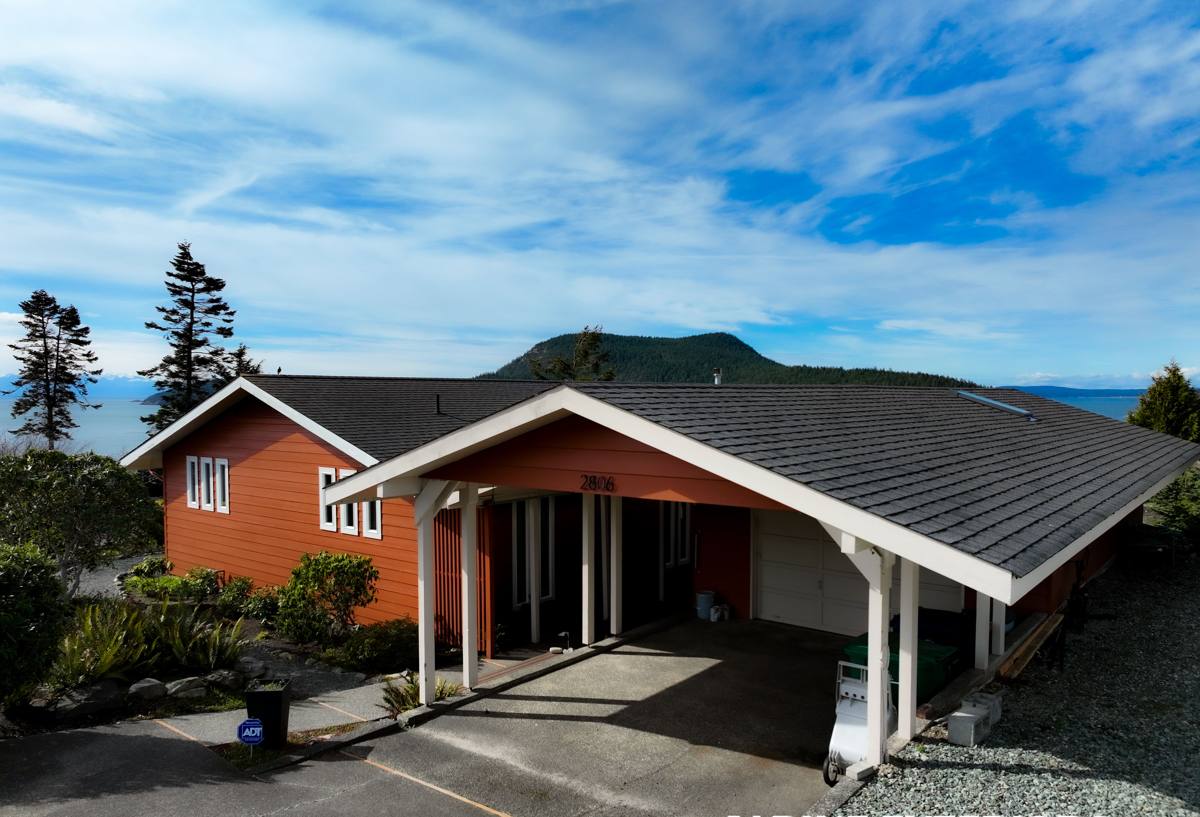
Sunnyland sits close enough to Bellingham Bay that the weather off the water shapes almost every exterior decision a homeowner here makes. It's an older, established part of Bellingham with a real mix of housing stock — mid-century ranches, older bungalows, and newer infill — much of it built long before anyone was thinking hard about how coastal moisture and salt air interact with siding, roofing, and trim over 30 or 40 years. We work in this neighborhood regularly, and the patterns we see on Sunnyland homes are consistent enough that we can usually tell a lot about a house's exterior condition before we ever get out of the truck.
This page covers what the climate does to homes in this part of Whatcom County, how our siding, roofing, window, and deck work applies specifically here, and why we think a local, accountable crew matters more in a neighborhood like this than in drier, more sheltered parts of the region.
What the Climate Does to Sunnyland Homes
Salt air and driving rain
Proximity to Bellingham Bay means homes in and around Sunnyland deal with salt-laden air more than neighborhoods further inland. Salt air accelerates corrosion on fasteners, flashing, and any exposed metal, and it also speeds up the breakdown of paint films on wood siding and trim. Combine that with Bellingham's driving winter rain — often pushed sideways by wind off the water — and you get moisture finding its way into seams, laps, and joints that would stay dry in a calmer climate.
The long moss season
Whatcom County's mild, wet stretch from fall through spring is long, and Sunnyland's tree cover and shaded lots make it worse in spots. Moss and algae don't just look bad on a roof or on north-facing siding — they hold moisture against the surface for months at a time, and on wood-based products that constant dampness is what actually causes rot, not a single storm. Roofs with heavy moss growth also see reduced lifespan because moss lifts shingle edges and traps water at the granule layer.
What this adds up to
None of this is exotic — it's the same story across most of coastal Whatcom County. But it means exterior materials chosen for looks or upfront cost, without accounting for years of salt exposure and sustained dampness, tend to show their weaknesses here faster than they would in a drier climate. That's the lens we bring to every job in Sunnyland.
Siding: Why We Only Install James Hardie
We install James Hardie fiber cement siding exclusively. We don't install LP SmartSide, vinyl, Cemplank, Allura, primed spruce, or cedar, and homeowners in Sunnyland deserve to know why, since it affects what a bid from us looks like compared to a bid from someone else.
Wood-based and engineered wood siding
Products like LP SmartSide and cedar are wood-based, which means their long-term performance depends heavily on an intact factory or field-applied coating and on water never getting a foothold at cut edges, seams, or fastener points. In a climate with this much sustained moisture and salt exposure, that's a maintenance commitment — recaulking, repainting, and watching edges — that most homeowners don't keep up with for the full life of the product. When water does get in, wood-based siding swells, delaminates, or rots, and the damage is often hidden until it's significant.
Vinyl siding
Vinyl handles moisture well in the sense that it doesn't rot, but it's a thin, flexible material that can warp, fade, and crack under UV exposure and temperature swings, and it doesn't offer the impact resistance or the class of fire performance that fiber cement does. It's also a look — visibly a plastic panel — that doesn't hold up on more traditional Bellingham home styles the way a factory-finished fiber cement lap does.
Other fiber cement brands
Cemplank and Allura are legitimate fiber cement products and share some of Hardie's core moisture resistance and non-combustibility. Where we see the difference is in the factory finish system, the depth of climate-specific engineering in Hardie's HZ5 product line (built for regions with more moisture exposure, which includes ours), and the strength and structure of the transferable warranty. Given a choice, we standardized on the one system we trust enough to put our name behind, on every job, without exception.
What Hardie gets right for this climate
- Non-combustible fiber cement core — doesn't feed a fire the way wood-based siding can
- ColorPlus factory-applied finish — cures under controlled conditions, resists fading and chipping better than field-applied paint
- HZ5 formulation engineered for wetter, harsher climates like ours
- Doesn't rot, and isn't a food source for the moss and algae that thrive in Whatcom County's damp months
- Strong transferable warranty backed by a large, established manufacturer
Roofing in a Moss-Heavy Neighborhood
Roofing work in Sunnyland is dominated by two concerns: keeping wind-driven rain out at every transition (valleys, flashing, penetrations) and managing moss before it shortens the roof's life. We pay particular attention to underlayment quality and flashing detail on tear-offs and re-roofs here, since a roof that's technically watertight in dry weather can still leak under sideways rain if the details weren't done right the first time. We also talk through moss prevention and treatment options with homeowners rather than just replacing shingles and leaving the underlying cause untouched — zinc or copper strips, tree trimming where it's feasible, and a realistic cleaning schedule all matter more here than in drier parts of the county.
Windows
Older Sunnyland homes often still have original single-pane or early dual-pane windows, and the failure pattern we see most is seal failure and frame rot around the sill, driven by exactly the same wind-driven rain that stresses siding. Replacement windows here need good flashing integration with whatever siding is going on around them — this is one of the most common places we find water damage on older homes, not from the window itself failing, but from a poor seal between the window and the wall assembly. When we replace windows as part of a siding project, we treat that transition as critical, not an afterthought.
Decks
Decks in this climate take a beating from the same combination of dampness and shade that drives moss growth on roofs and siding. Ledger board connections, footing condition, and any wood-to-ground contact are the areas that fail first, generally from trapped moisture rather than one bad storm. We build and repair decks with drainage and airflow in mind — proper flashing at the ledger, spacing that lets a deck actually dry out between rain events — because in Whatcom County, a deck that can't shed water and dry out is on a shorter clock than the wood itself would suggest.
Comparing Siding Options for a Coastal Climate Like Sunnyland's
| Factor | James Hardie Fiber Cement | Vinyl | Wood / Engineered Wood |
|---|---|---|---|
| Moisture resistance | High — won't rot | High, but can warp | Depends on coating upkeep |
| Salt air durability | Strong, factory finish | Fair — can fade/chalk | Weakest without diligent maintenance |
| Fire performance | Non-combustible | Combustible | Combustible |
| Maintenance | Low — occasional wash | Low | High — recoat/recaulk regularly |
| Typical lifespan (installed to spec) | 30+ years | 20–30 years | Varies, shorter if unmaintained |
| Warranty structure | Strong, transferable | Moderate | Limited, often coating-only |
Why a Local Crew Matters Here
Sunnyland's mix of older homes, tree-shaded lots, and bay-adjacent weather isn't the same everywhere in Bellingham, let alone in Whatcom County broadly. A crew that works this neighborhood regularly knows which drainage patterns cause moss to build up fastest, which flashing details actually hold up against sideways rain off the bay, and what condition to expect behind old siding once it comes off. That local knowledge shows up in the estimate — fewer surprises once the tear-off starts — and in the workmanship, since the right detailing for this climate isn't always the fastest or cheapest way to do the job.
A quick homeowner checklist for Sunnyland exteriors
- Check north-facing and shaded siding or roof sections for moss buildup at least once a year
- Look for soft spots, staining, or bubbling paint near window sills and siding laps — early signs of trapped moisture
- Have deck ledger boards and footings inspected for rot, especially where the deck meets the house
- Ask any contractor bidding on siding work exactly which product they're proposing and why, not just a price per square foot
- Confirm flashing and moisture-barrier details are part of the scope, not just the visible siding or shingles
If you're weighing a siding, roofing, window, or deck project on a Sunnyland home, we're happy to take a look and talk through what your house actually needs — no pressure, no sales script. Reach out for a free estimate using the form below.