 Bellingham Exterior
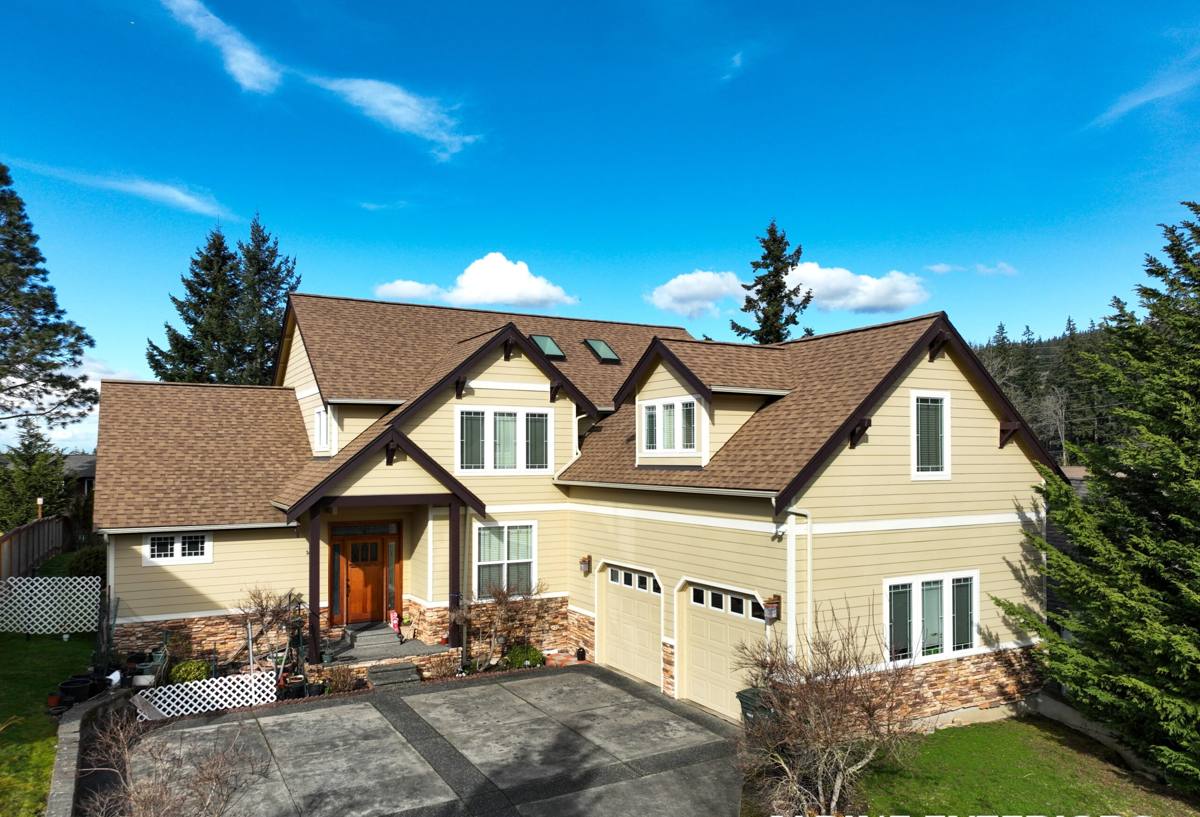
 Siding Built for Sunnyland's Corner of Bellingham
Sunnyland is one of Bellingham's older, well-established residential neighborhoods, and like most of the city it sits close enough to the water and the tree cover to take the full brunt of Whatcom County's marine climate. Homes here go through the same cycle every year: wet fall and winter months, a slow spring dry-out, and a short summer window before the rain returns. Siding that isn't built for that cycle doesn't fail all at once — it fails one soft board, one cracked panel, one shaded north wall at a time, until a homeowner is looking at repairs that could have been avoided with the right material and the right installation from the start.
This page is about one thing: what it actually takes to install siding correctly on a Sunnyland home, and why the product and the crew you choose matter as much as each other.
What Bellingham's Climate Does to Siding Year After Year
Salt Air and Moisture Off the Bay
Bellingham Bay isn't far from any point in the city, and the air that moves inland carries salt and moisture with it. Over years, that combination accelerates corrosion on exposed fasteners and metal trim, and it keeps siding surfaces damp longer than they would stay in a drier inland climate. Materials that rely on paint film or surface coatings to stay protected are working against that moisture load every single day.
Driving Rain and Wind-Driven Water
Whatcom County storms don't just drop rain straight down — wind pushes it sideways, into laps, seams, and butt joints. A siding system is only as good as its weakest water path. If flashing details, laps, and caulking aren't done correctly, wind-driven rain finds its way behind the cladding, and once water gets behind siding it can sit against sheathing for months before anyone notices a problem.
A Moss Season That Runs Half the Year
Between the tree canopy common in Sunnyland and the region's long wet season, moss and algae growth is a fact of life on north- and east-facing walls, under eaves, and anywhere sun exposure is limited. Moss holds moisture against a surface far longer than open air does, which is exactly the condition that causes wood-based products to soften and swollen and coatings to fail early.
Signs a Sunnyland Home Needs New Siding
Most siding problems are visible well before they become structural. Homeowners in this neighborhood should walk their exterior once or twice a year and look for:
- Soft, spongy, or crumbling spots when you press on a wall, especially near the bottom courses and around window trim
- Paint that's peeling or bubbling repeatedly in the same spots, even after repainting
- Persistent moss or dark streaking on shaded walls that comes back within a season of cleaning
- Visible warping, cupping, or gaps opening up between boards or panels
- Rising utility bills or drafts that suggest the wall assembly behind the siding is no longer doing its job
- Rust staining below nail heads or trim fasteners
Any one of these can be a minor fix. Several at once, especially on a home more than 15-20 years old, usually means the siding system as a whole is at the end of its useful life.
What a Correct Siding Installation Actually Involves
Siding installation is a water-management job first and a cosmetic job second. A crew that treats it purely as cosmetic work is setting a home up for the exact rot and moisture problems that a good install is supposed to prevent.
Weather-Resistive Barrier and Flashing
Before a single piece of siding goes up, the wall needs a continuous weather-resistive barrier with properly lapped and taped seams, and flashing integrated at every window, door, and penetration so water is directed out and down rather than trapped behind the cladding. This step is invisible once the job is finished, which is exactly why it's the step that gets shortcut on a rushed installation.
Fastening and Clearances
Fiber cement siding has manufacturer-specified nailing patterns, fastener types, and clearance requirements above grade, roof lines, and decks. Getting these wrong doesn't just risk cosmetic problems — it can void the product warranty and create the exact wick points where moisture gets pulled into the wall assembly.
Trim, Caulking, and Finish
Butt joints, corners, and trim transitions need to be sealed with the correct sealants and finished according to the manufacturer's installation instructions. This is also where a factory-finished product has a real advantage: less field-applied caulking and paint means fewer places for a future failure to start.
Why We Install Only James Hardie Fiber Cement
We made a decision as a company to install one siding system: James Hardie fiber cement. We don't install vinyl, LP SmartSide, Cemplank, Allura, or primed wood siding, and that's a deliberate standard, not a lack of options. Fiber cement doesn't absorb water the way wood-based products can, it's non-combustible, and Hardie's ColorPlus factory finish holds color and resists the kind of fading and peeling that repainting cycles are meant to fix. In a climate that combines salt air, sustained moisture, and heavy moss growth, those properties matter more in Bellingham than they would in a drier climate.
| Factor | James Hardie Fiber Cement | Vinyl Siding | Wood-Based Siding (LP, cedar, primed spruce) |
|---|---|---|---|
| Moisture absorption | Does not absorb water like wood fiber | Doesn't absorb water, but seams and gaps can trap it behind the panel | Absorbs moisture at cut edges and joints if not fully sealed |
| Moss and algae resistance | Factory finish resists staining; cleans up well | Resists moss growth but can look chalky and brittle with age | Moss and mildew take hold quickly on shaded, damp walls |
| Fire resistance | Non-combustible core material | Can soften, deform, or melt under heat exposure | Combustible |
| Finish durability | Factory ColorPlus finish, long color-hold warranty | Color is part of the material; can fade and become brittle over time | Relies on field-applied paint or stain that needs regular upkeep |
| Typical maintenance | Occasional washing; repaint interval is long if ever needed | Low maintenance but limited repair options if damaged | Regular repainting, staining, and caulk maintenance |
Every product in that table has homeowners who are happy with it. Our position is simply that, given what this climate does to a wall over 20-30 years, fiber cement is the material we're willing to put our name behind for a Sunnyland installation.
Our Installation Process, Step by Step
- On-site inspection of the existing siding, sheathing, and any moisture or rot found during tear-off
- Removal of old siding and repair or replacement of any damaged sheathing or framing before anything new goes up
- Installation of a continuous weather-resistive barrier with correctly lapped and sealed seams
- Flashing installed at every window, door, roofline, and penetration
- James Hardie panels or lap siding installed to manufacturer specifications for fastening, clearance, and gapping
- Trim, corners, and joints sealed with appropriate sealants
- Final walkthrough with the homeowner before the job is considered complete
Nothing in that list is unusual or proprietary — it's simply what a correct installation requires, done in the right order, without skipping the parts that aren't visible in the finished product.
Why Local Experience in Sunnyland Matters
A crew that already works this side of Bellingham knows what a typical wall assembly looks like on homes of this era, where moss tends to build up fastest given the tree cover common in the neighborhood, and how wind-driven rain off the bay tends to find weak spots on exposed elevations. That's not a substitute for doing the installation correctly — it's what lets a crew anticipate problems during tear-off instead of discovering them mid-project. Hiring locally also means a straightforward path back to the same company if a warranty question or a minor issue comes up down the road, rather than tracking down a crew that worked the job once and moved on.
Caring for Your New Siding
Correctly installed fiber cement siding needs very little upkeep, but a small amount of regular care keeps it looking right and catches problems early:
- Rinse the exterior with a garden hose once or twice a year to clear pollen, dust, and early moss growth
- Trim back tree branches and shrubs that keep a wall shaded and damp
- Check caulking at trim and joints annually and have any cracked or missing sealant redone
- Watch for staining or streaking on north- and east-facing walls where moss tends to establish first
- Address any impact damage promptly rather than letting a small crack become an entry point for water
If you're weighing a siding project for a Sunnyland home, we're happy to take a look and talk through what your specific walls need — no pressure, no obligation. Use the form below to request a free estimate.