 Bellingham Exterior
 Exterior Work Built for South Hill's Hillside Climate
South Hill sits above downtown Bellingham with sweeping views of Bellingham Bay, and that elevation and exposure come with a trade-off. Homes up here catch more wind off the water, more driving rain during winter storms, and — depending on the lot — either more sun exposure on south-facing walls or heavier shade under mature trees. Both extremes stress a home's exterior in different ways, and we see the results on siding, roofing, trim, and decks across the neighborhood every year.
Bellingham Exterior Co works throughout South Hill and the rest of Bellingham and Whatcom County. We're not a national outfit dispatching a rotating crew from out of the area — we know what this specific hillside does to a house, and we build our estimates and our installation practices around that reality rather than a generic weatherproofing checklist.
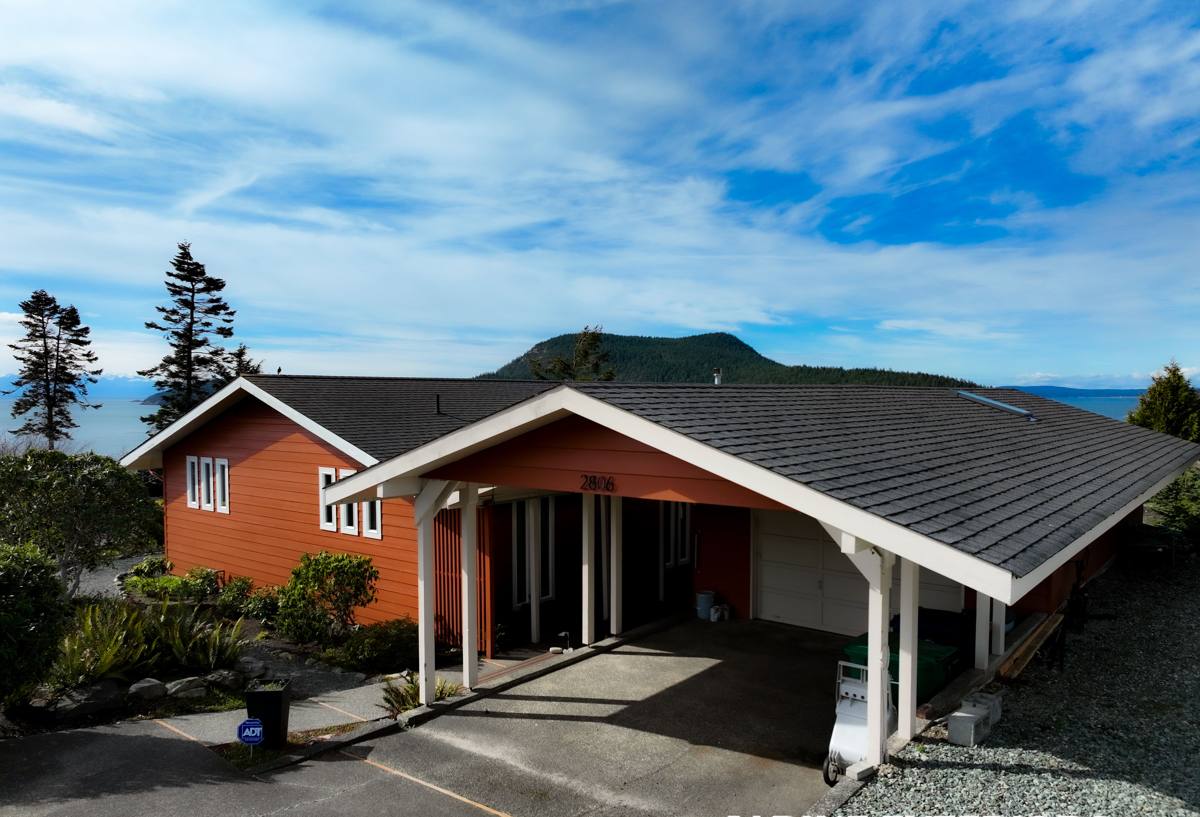
What South Hill Homes Are Up Against
Salt Air and Wind Exposure
Proximity to Bellingham Bay means salt-laden air reaches South Hill's higher, more exposed properties, especially those with a clear line to the water. Salt air accelerates corrosion on fasteners, flashing, and any exposed metal, and it degrades lower-grade paint finishes faster than inland areas. It's not dramatic on any single day, but over 10-15 years it separates exterior products that were engineered for coastal exposure from products that weren't.
Driving Rain
Whatcom County doesn't get the heaviest rainfall totals in Western Washington, but South Hill's elevation and orientation catch wind-driven rain that hits siding and window assemblies at an angle rather than falling straight down. That matters because driving rain finds gaps that vertical rain never would — poorly lapped siding joints, undersized flashing, caulk instead of proper flashing at windows. A roof and siding system can be watertight in a light rain and still leak in a January windstorm if it wasn't detailed for driving rain in the first place.
The Long Moss Season
Between the marine humidity, tree cover common on South Hill lots, and mild winters that never really dry things out, moss and algae have a long growing season here — often close to year-round on north-facing or shaded roof and siding surfaces. Moss holds moisture against a surface, and sustained moisture is what breaks down wood-based siding, primer coats, and roofing materials over time. A product's resistance to moisture retention matters more here than it does in a drier climate.
Siding: Why We Only Install James Hardie
We install James Hardie fiber cement siding exclusively. We don't offer vinyl, LP SmartSide, Cemplank, Allura, or primed wood siding, and that's a deliberate standard, not a limited product line we're stuck with.
Vinyl siding is inexpensive and low-maintenance, but it's a petroleum-based product that can warp or become brittle with age and temperature swings, and it isn't fire-resistant. Wood-based composite siding like LP SmartSide performs reasonably well when installed and maintained correctly, but it's an engineered wood product at its core — any breach in the factory coating or field-cut edge that isn't properly sealed gives moisture an entry point, and moisture is exactly what South Hill's climate supplies in abundance. Other fiber cement brands compete on price but don't match Hardie's regional engineering or factory finish warranty in our experience.
James Hardie fiber cement is non-combustible, doesn't rot, and is manufactured in HZ product lines specifically engineered for different climate zones — the HZ5 line is built for the wetter, cooler Pacific Northwest rather than a one-size-fits-all national spec. ColorPlus factory-applied finish is baked on under controlled conditions rather than field-painted, which means better adhesion and a longer color life than most site-applied coatings, particularly against the salt air and UV cycling South Hill gets on exposed elevations.
Siding Material Comparison
| Material | Moisture Behavior | Maintenance | Fire Resistance | Typical Lifespan |
|---|---|---|---|---|
| James Hardie Fiber Cement | Dimensionally stable, doesn't absorb and swell | Low — factory finish, occasional wash | Non-combustible | 30+ years to warranty limits |
| Vinyl | Doesn't rot but can warp/crack with age | Low, but limited repair options | Not fire-resistant | 20-30 years, fades over time |
| Wood Composite (LP SmartSide) | Vulnerable at cut edges and coating breaches | Moderate — needs sealed edges, repainting cycles | Treated but combustible | 15-30 years, installation-dependent |
| Cedar / Primed Spruce | Absorbs moisture, prone to swelling and rot | High — regular refinishing required | Combustible | 15-25 years with upkeep |
Roofing for South Hill's Wind and Rain Exposure
Roofing on an exposed hillside lot has to account for wind uplift at ridges and edges, not just watertightness on a calm day. We pay close attention to underlayment quality, ice-and-water-shield placement at valleys and eaves, and ventilation — a roof that traps moist attic air is a roof that grows moss and degrades from underneath, which is a bigger issue on the shaded, tree-covered lots common on parts of South Hill. We also make sure flashing at chimneys, skylights, and roof-wall intersections is mechanically correct, since these are the points where driving rain most often finds its way in over the years.
Windows: The Weak Point in Any Exterior
Windows are where siding, flashing, and framing all meet, and it's the single most common leak point we find on older South Hill homes during exterior evaluations. Replacement or new-install windows need to be flashed as part of an integrated water-management plan with the siding around them — not caulked in as an afterthought. When we replace siding on a home, we treat every window opening as an opportunity to correct flashing details that may have been done poorly decades ago, which matters even more on a wind-exposed lot than it would on a sheltered one.
Decks: Built for a Wet Climate, Not Just a Sunny Day
South Hill's terrain means a lot of decks are elevated, cantilevered, or built over living space — which raises the stakes on proper waterproofing underneath, not just the walking surface on top. Ledger board flashing, joist protection, and drainage all matter more in a climate where a deck structure stays damp for months at a time rather than drying out quickly between rains. We build and repair decks with that moisture reality in mind, using flashing and fastener details suited to Whatcom County's wet season rather than a dry-climate deck spec.
What to Expect From Our Process
| Stage | What Happens |
|---|---|
| Initial walkthrough | We inspect siding, trim, roofing, window flashing, and deck structure, and note moisture, moss, and wind-exposure issues specific to the property |
| Written estimate | Clear scope and pricing — no vague allowances or pressure to decide on the spot |
| Material order | James Hardie product ordered to the correct HZ line and ColorPlus color for the project |
| Installation | Crew follows manufacturer flashing and fastening specs, not shortcuts, to protect the transferable warranty |
| Final walkthrough | We review the finished work with the homeowner before calling the job complete |
Why a Local Crew Matters on a Hillside Lot
South Hill's older housing stock, mix of view lots and shaded lots, and varied setback and access conditions mean no two exterior jobs up here look quite the same. A crew that works this area regularly knows how to stage material on a steep driveway, how to sequence work around Bellingham's wet-season weather windows, and which details actually matter for this specific microclimate versus a generic installation manual. That local knowledge shows up in fewer callbacks and a finished exterior that's actually built for where it sits, not just for the average Western Washington job site.
We're also easy to reach after the job is done. If a question comes up two years later about a seam, a flashing detail, or how a section of siding is holding up, you're calling a contractor who is still working in your neighborhood — not chasing down a company that moved on to the next region.
Homeowner Checklist: Signs Your Exterior Needs a Look
- Moss or dark streaking building up on north-facing or shaded siding and roof sections
- Soft or spongy spots on a deck surface, railing post, or ledger connection
- Paint or finish that's peeling, chalking, or visibly faded on wind-exposed walls
- Water staining on interior ceilings or walls near windows or roof valleys
- Visible gaps, cracking, or warping at siding joints and trim boards
- Granule loss or bare patches on asphalt roofing, especially near ridges and edges
- Windows that feel drafty or show condensation between panes
Maintenance That Actually Extends Exterior Life Here
Given the moss season and salt air South Hill deals with, a light annual rinse of siding and roofing surfaces — not pressure washing, which can damage finishes and force water behind siding — goes a long way toward keeping moisture and organic growth from taking hold. Keeping gutters clear before the fall rains start prevents water from backing up under roof edges and siding starter courses, which is one of the more common causes of hidden rot we find on hillside homes. Trimming back tree cover that keeps a wall or roof section permanently shaded also reduces the moss problem more effectively than any coating can.
If you're seeing any of these signs on a South Hill property, or you're simply due for an honest look at where your siding, roofing, windows, or deck stand, we're happy to come take a look. Estimates are free and there's no pressure to decide on the spot — just a straight assessment from a crew that works this hillside and this climate every week.