 Bellingham Exterior
 South Hill's Climate: What Board & Batten Siding Is Up Against
South Hill sits above downtown Bellingham, close enough to Bellingham Bay that homes here deal with a specific mix of weather most inland neighborhoods don't. Salt-laden air off the water accelerates corrosion on unprotected fasteners and trim. Driving rain, pushed sideways by wind coming off the Strait and the Sound, gets forced into joints and seams that would stay dry in a calmer climate. And Whatcom County's long, wet shoulder seasons mean shaded, tree-covered walls can carry moss and algae for months at a stretch. None of that is unusual for western Washington — but it matters a lot when you're choosing a siding profile with as many horizontal and vertical joints as board and batten.
Board and batten siding is a beautiful look — vertical boards with narrow strips (battens) covering the seams between them — and it's a natural fit for the craftsman, farmhouse, and cottage-style homes common on South Hill's older, tree-lined streets. But it's also a profile with more places for water to find a way in than a standard lap siding wall. Get the materials or the installation wrong, and this climate will find every weak point within a few winters. Get it right, and it's one of the most durable, good-looking sidings you can put on a hillside home in this part of Whatcom County.
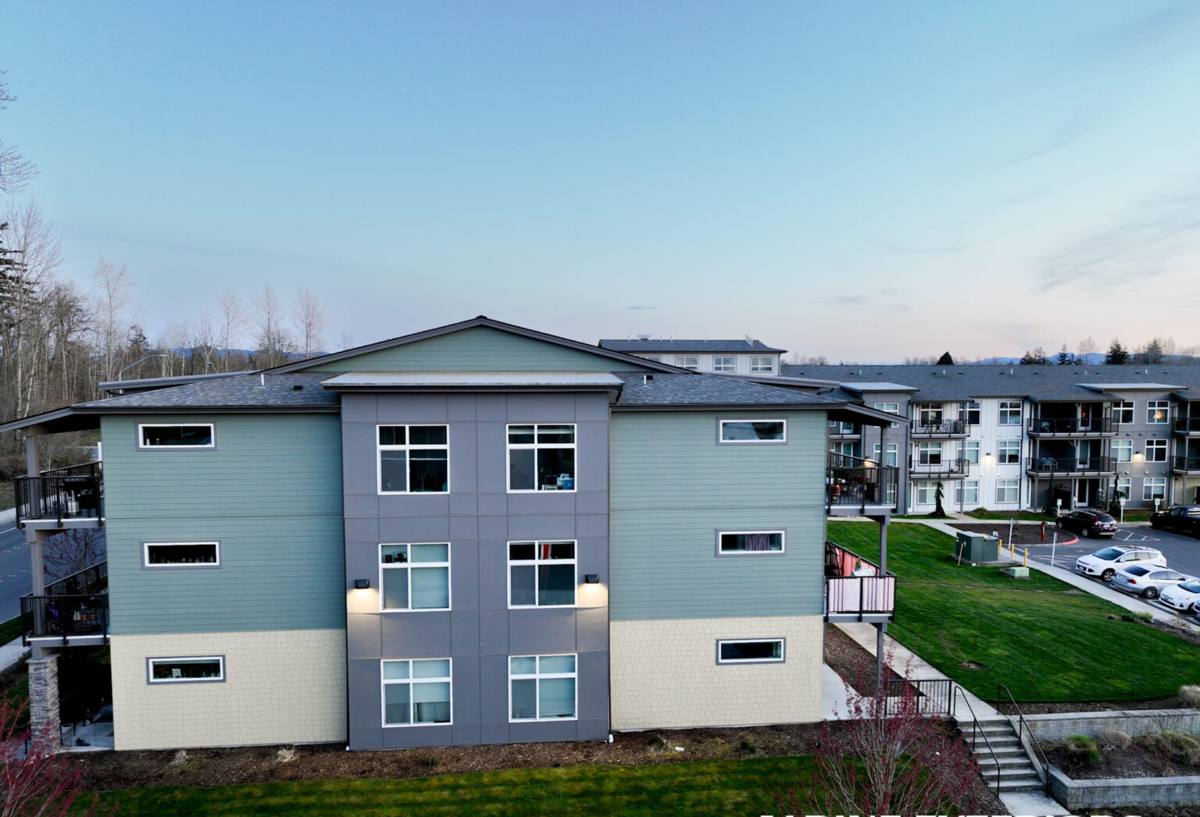
What Board & Batten Siding Is — And Why It Suits This Neighborhood
Board and batten is a vertical siding pattern: wide boards or panels run up the wall, and narrower battens are fastened over the gaps between them. The result is a strong shadow line and a clean, linear look that reads as more architectural than standard horizontal lap siding. It shows up on full house exteriors, but it's just as common as an accent — over a garage, on a dormer, wrapping a front gable, or mixed with lap siding on a lower level to break up a large wall plane.
That versatility is a big part of why it works well on South Hill. The neighborhood's housing stock is a mix of older homes with real architectural character and newer builds trying to match that character, and board and batten reads as intentional rather than generic on both. It also handles steep or narrow lots gracefully — the vertical lines can make a tall, narrow elevation feel less boxy, which is useful on a hillside where lots and setbacks aren't always generous.
Where It Works Best
- Full-wall siding on craftsman, farmhouse, and cottage-style homes
- Gable accents and dormers to break up a large roofline
- Porch and entry surrounds where you want a distinct texture from the main field
- Garage faces and outbuildings that call for a simpler, bolder pattern
Why We Only Install It in James Hardie Fiber Cement
Board and batten is available in a lot of materials — vinyl, engineered wood, primed spruce, various fiber cement brands — and we get asked about most of them. We install James Hardie exclusively, and on a profile like this, the reasoning matters more than usual.
Vertical siding puts more seams, more end grain, and more exposed batten edges on a wall than horizontal lap does. That's exactly where moisture-sensitive materials struggle. Engineered wood and primed spruce depend on paint film and sealed cut ends to keep water out; once that seal is compromised — which happens faster in a climate with this much rain and shaded, moss-prone wall area — the board underneath starts absorbing water and swelling. Vinyl board and batten looks the part from a distance but it's a thin, flexible material fastened over furring strips or a wall; it doesn't hold a crisp shadow line the way a rigid board does, and it can't be painted to match trim or refresh a faded color down the road.
James Hardie fiber cement is dimensionally stable, doesn't absorb water the way wood-based products do, and holds a factory-applied ColorPlus finish that's baked on rather than rolled on site — which matters on a profile with this many cut edges and joints. It's also non-combustible, which is a genuine benefit anywhere in Whatcom County with tree cover close to the house, South Hill included. That combination — moisture resistance, finish durability, and fire performance — is why board and batten leaves our shop in Hardie and nothing else.
What Correct Installation Actually Involves
The material is only half the equation. Board and batten fails more often from installation shortcuts than from bad panels, and this is a profile where the details genuinely change how long a wall lasts.
The fundamentals we don't skip
- A drainage plane behind the siding. A weather-resistant barrier, properly lapped and taped, so any water that does get past the siding has somewhere to go besides your sheathing.
- A rainscreen gap where the wall assembly calls for it. A small air gap between the siding and the wall lets incidental moisture drain and dry instead of sitting against the substrate — especially important on shaded or north-facing walls that stay damp longer through the winter.
- Correct batten spacing and fastening. Battens need to land over real backing, at spacing that matches the board width and manufacturer specs, with fasteners set to the depth Hardie requires — not overdriven, not floating.
- Flashing at every horizontal transition. Window and door heads, water tables, roof-to-wall intersections, and any point where the siding meets a horizontal surface need proper flashing, not just caulk.
- Gapped and sealed board ends. Board and batten has a lot of vertical cuts; each one needs the clearance and sealant treatment Hardie specifies so the panel can move with temperature and humidity without cracking the finish.
None of this is exotic — it's standard best practice for the product. But it takes longer than a "nail it up and caulk the gaps" approach, and that's exactly where corners get cut on jobs bid too low.
Mistakes We See When Board & Batten Goes Wrong
Because it's a less common profile than lap siding, board and batten gets installed incorrectly more often — sometimes by crews who are competent with standard siding but haven't worked the details of a vertical pattern. The failures we see are consistent:
- Battens face-nailed directly over boards with no gap for movement, leading to cracked caulk lines and split boards within a few seasons
- No rainscreen or drainage plane, so any water that gets past a joint sits against the sheathing instead of draining out
- Missing or undersized flashing above windows and at roof intersections, which shows up as staining or rot around openings first
- Boards run tight to grade or a walkway with no clearance, wicking moisture from below
- Battens and boards left unpainted or unsealed at field-cut ends, which is where fiber cement and wood-based products alike start to fail first
On a hillside neighborhood like South Hill, where a lot of walls sit partly shaded by mature trees and stay damp longer after a storm, these shortcuts show up faster than they would on an open, sunny lot.
Board & Batten vs. Other Siding Approaches for This Climate
| Factor | Board & Batten (James Hardie) | Standard Lap Siding | Vinyl Board & Batten |
|---|---|---|---|
| Moisture handling | Strong, when installed with proper drainage detailing | Strong, fewer vertical joints to manage | Depends on wall wrap; material itself won't rot but traps moisture behind it |
| Appearance | Crisp shadow lines, holds factory finish long-term | Classic, widely used look | Flatter profile, fades and chalks over time |
| Fire performance | Non-combustible | Non-combustible (Hardie) | Combustible, can deform in heat |
| Repaintable | Yes, factory or field finish | Yes | Limited, dark colors can warp panels |
| Best suited for | Accent walls, gables, full facades on craftsman/farmhouse homes | Whole-house siding, simpler wall planes | Budget-driven projects prioritizing low upfront cost |
We don't install the vinyl or engineered-wood columns in that table — we're including them so you can see where Hardie board and batten actually sits relative to the alternatives you'll come across while researching this project.
Our Process, Start to Finish
Every board and batten job starts with a walk-around of the house, not just the wall being resided. We're looking at roof-to-wall intersections, existing flashing, grade clearance, and any trim or window details that affect how the pattern will lay out — board and batten looks best when the batten spacing is planned around window and door widths rather than run arbitrarily.
From there:
- Remove existing siding and inspect the sheathing for water damage, addressing anything we find before covering it back up
- Install or repair the weather-resistant barrier and flashing at all penetrations and horizontal transitions
- Add a rainscreen furring layer where the wall assembly calls for it
- Install boards plumb and level, referencing window and door lines for consistent batten spacing
- Fasten battens to the specified reveal, gap, and fastener schedule
- Caulk, touch up, and do a final walk-through so you know exactly what was done and why
Maintenance and What to Expect Over Time
A correctly installed James Hardie board and batten wall is low-maintenance, not no-maintenance. In this climate, that means periodically rinsing off moss and organic buildup on shaded walls before it takes hold, keeping gutters and downspouts clear so water isn't sheeting down the siding, and checking caulk lines at trim and window transitions every couple of years the way you would with any siding. ColorPlus factory finish holds its color far longer than field-applied paint, which cuts down on repainting, but it's still worth a visual check after major storms — driving rain off the bay is exactly the condition that finds a loose flashing detail or a failed sealant joint first.
Why a Crew That Already Works South Hill Matters
Board and batten is unforgiving of guesswork, and a neighborhood like South Hill — with its mix of older homes, mature tree cover, and hillside exposure to weather off the bay — has its own patterns of what fails and where. A crew that's already worked walls in this area knows which elevations tend to hold moisture longer, where flashing tends to get shorted on older homes, and how to plan batten layout around the window proportions common on the area's older housing stock. That's the difference between a board and batten wall that looks sharp for a season and one that still looks sharp in fifteen years.
If you're considering board and batten siding for a South Hill home — a full re-side, a gable accent, or a garage face — we're happy to take a look and walk you through what it would actually involve. Reach out for a free, no-pressure estimate using the form below.