 Bellingham Exterior
 Exterior Contractor Serving Columbia in Bellingham, WA
Columbia is one of Bellingham's older, tree-covered neighborhoods, and that history shows up on its houses. You'll find a mix of early-to-mid-century homes alongside newer infill, many of them shaded by mature trees and set close enough to Bellingham Bay to catch salt-laden air on a windy day. That combination — age, shade, and coastal exposure — puts real, ongoing stress on siding, roofing, windows, and decks. We work on homes throughout this part of Bellingham and understand what the local climate does to a house over time, because we see it on every job.
This page covers how our exterior services apply specifically to homes in and around Columbia, what the climate does to different materials here, and what we install instead of the products we've stopped using.
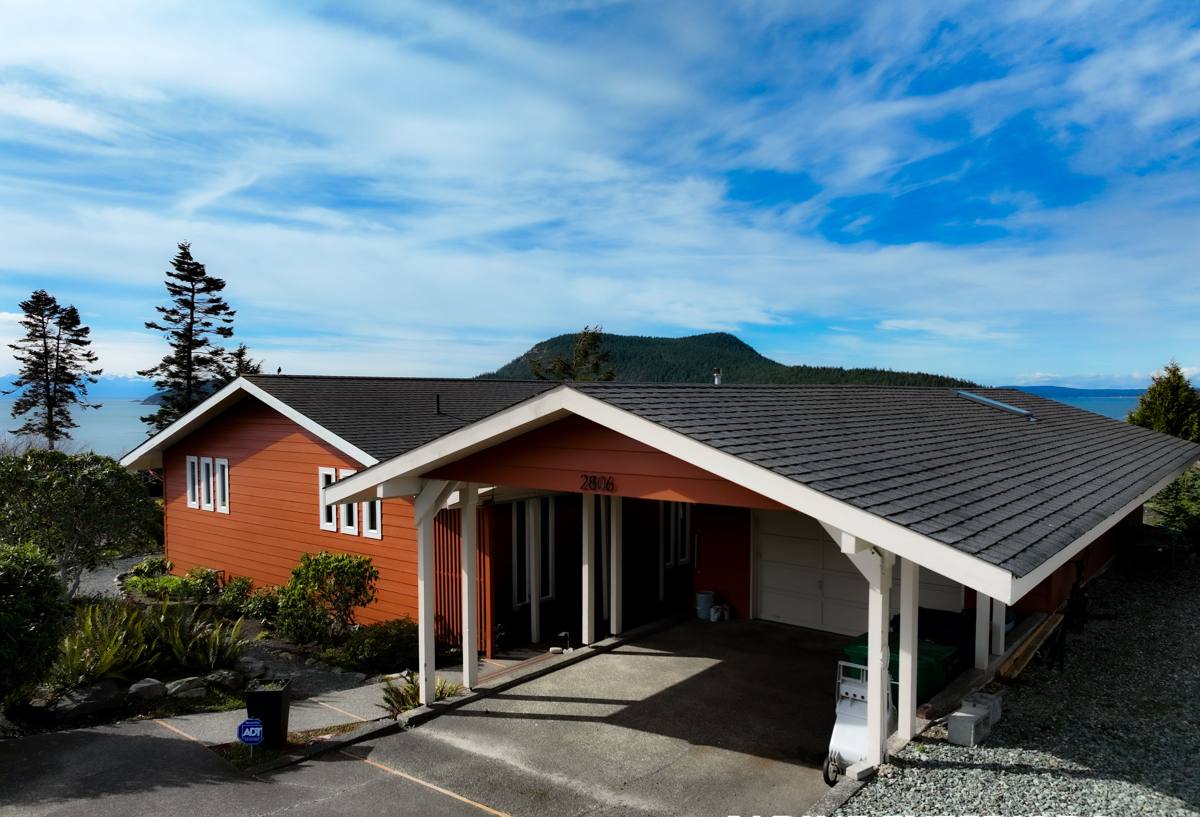
What Whatcom County's Climate Does to a House
Bellingham sits where the Pacific brings near-constant moisture nine months a year, and Columbia's mix of tree cover and bay proximity adds two more variables that make exterior maintenance harder than it looks from the street.
Salt Air and Driving Rain
Homes closer to the water pick up airborne salt that settles on siding, trim, and metal fixtures. It's subtle compared to a beachfront property, but over years it accelerates corrosion on fasteners and flashing, and it interacts badly with any siding material that isn't dimensionally stable or properly sealed at the edges. Add wind-driven rain — common in fall and winter storms here — and any gap in the building envelope becomes a path for water intrusion rather than just surface wetting.
The Long Moss Season
Shade from mature trees keeps roofs, north-facing siding, and deck surfaces damp for much longer stretches than a home in full sun. Moss and algae don't just look bad — moss holds moisture against roofing material and siding surfaces, and on aging or improperly sealed products that constant dampness is what eventually causes rot, delamination, or coating failure. A neighborhood with tree cover like Columbia sees this cycle every year, on a longer calendar than sites with regular sun exposure.
Freeze-Thaw and Seasonal Swing
Whatcom County doesn't get brutal winters, but it does get repeated cycles of cold snaps followed by wet thaw. Materials that absorb moisture and then freeze are prone to cracking or swelling at the edges — a slow failure mode that often isn't obvious until paint starts flaking or boards start separating at seams.
Why We Only Install James Hardie Fiber Cement Siding
We get asked why we don't offer vinyl, LP SmartSide, Cemplank, Allura, primed spruce, or cedar. It's a fair question, and the honest answer is that we made a standard for ourselves based on what holds up in this climate with the least maintenance burden for the homeowner.
Wood-Based Siding (Cedar, Primed Spruce)
Cedar and primed spruce look great when new and can be a reasonable choice in the right conditions, but they're organic materials, and organic materials plus long-term dampness is a maintenance commitment — recoating, caulking, and watching for rot at joints and lower courses. In a shaded, moisture-heavy neighborhood like Columbia, that maintenance cycle comes around faster than most homeowners expect.
Engineered Wood (LP SmartSide)
LP SmartSide has improved a lot over the years and is a legitimate engineered wood product with real advantages over older wood siding. Our concern is that it's still wood-fiber based, so its long-term performance depends heavily on sealed edges, correct flashing, and consistent maintenance — details that are easy to get right at installation but expensive to fix later if they're missed. Given our climate, we'd rather standardize on a material that isn't dependent on perfect ongoing upkeep.
Vinyl Siding
Vinyl is affordable and low-maintenance in a general sense, but it expands and contracts significantly with temperature swings, can crack in impacts, and doesn't offer the same fire resistance or resale perception as fiber cement. It also doesn't hold paint or refinish the way fiber cement does — once it fades or is damaged, your main option is replacement, not repair.
Other Fiber Cement Brands (Cemplank, Allura)
These are genuine fiber cement competitors to James Hardie, and fiber cement as a category is the right call for this climate. Our decision to install Hardie specifically comes down to their factory-applied ColorPlus finish, their HZ5 product engineering for Pacific Northwest moisture conditions, and a warranty structure we've found more consistent for homeowners here. We'd rather install one product line very well than juggle several.
James Hardie: What It Actually Is
James Hardie siding is fiber cement — a mix of cement, sand, and cellulose fiber pressed into planks, panels, or shingle-style pieces. It's non-combustible, doesn't rot, and is engineered specifically for regional moisture and temperature conditions through Hardie's "HZ" zone system. Homes in Whatcom County fall into the moisture-focused HZ5 specification, which is built around exactly the wet, mild-freeze conditions Columbia sees every year.
ColorPlus Factory Finish
Rather than field-painted siding, ColorPlus is a baked-on finish applied at the factory under controlled conditions, which gives more even coverage and better fade resistance than most site-applied paint jobs — a real advantage in a neighborhood where tree shade already accelerates surface wear and algae growth.
Warranty
James Hardie backs its siding with a transferable limited warranty that stays meaningful if you sell the home — a detail that matters in an established neighborhood like Columbia where longer-tenured homeowners eventually do sell.
Roofing in a Moss-Heavy Neighborhood
Roofing failures in tree-covered parts of Bellingham are rarely dramatic — they're slow. Moss holds moisture against shingles, granule loss accelerates, and valleys and flashing points become the first places leaks start. For Columbia homes we pay particular attention to:
- Flashing condition around chimneys, skylights, and roof-wall intersections, since these are the most common leak points under a moss layer
- Ventilation, which affects how quickly a roof deck dries out after weeks of overcast, damp weather
- Valley and gutter condition, since clogged gutters back water up under the roof edge
- Overall moss coverage and whether it indicates a maintenance gap or a deeper material or ventilation issue
We inspect roofs with this climate pattern in mind rather than applying a generic checklist, because a roof under heavy shade ages differently than one in full sun.
Windows: Sealing Out Wind-Driven Rain
Older Columbia homes often still have original or early-replacement windows, and window performance here is less about energy bills and more about water intrusion during wind-driven storms. Failed seals, deteriorated flashing, and gaps around the frame let moisture into wall cavities where it can sit for months before anyone notices a problem. When we replace windows, correct flashing and integration with the surrounding siding matters as much as the window unit itself — a well-built window installed with a poor seal will still leak.
Decks: Built for Shade and Damp
Decks in shaded, tree-covered lots dry out slowly after rain, which means fungal growth, surface staining, and slippery conditions show up faster than on a deck in open sun. We build and repair decks with attention to board spacing and drainage so water and debris don't sit trapped against the surface, and we talk through material options with homeowners based on how much upkeep they actually want to take on versus how much shade the specific site gets.
Cost Factors for Exterior Work in This Area
| Factor | Why It Matters Locally |
|---|---|
| Home age and original materials | Older Columbia homes may need additional prep or repair work uncovered once old siding or roofing is removed |
| Tree cover and access | Shaded lots can complicate scaffolding, staging, and debris removal, and often need extra moss and moisture mitigation |
| Proximity to the bay | Homes closer to the water may warrant additional attention to fasteners, flashing, and sealants resistant to salt exposure |
| Scope (single trade vs. full exterior) | Bundling siding, roofing, windows, and decks in one project reduces redundant setup and staging costs |
| Existing damage | Hidden rot or water damage found during tear-off adds cost but is far cheaper to fix now than after a full re-cover |
Why a Local Crew Matters Here
A contractor working out of the area knows what a Bellingham winter does to a house that a crew unfamiliar with Whatcom County simply won't anticipate — how fast moss builds under a mature tree canopy, how far wind-driven rain travels under an eave, how salt air changes the maintenance math on fasteners and trim. That local knowledge shapes real decisions on a project: where we add extra flashing, how we sequence work around the wet season, and which details we won't skip because we've seen what happens when they're skipped in this specific climate.
What to Expect When You Call Us
- A walk-around inspection of your home's current siding, roofing, windows, and/or deck condition
- An honest assessment of what's actually wearing out versus what's cosmetic
- A written estimate that separates material, labor, and any prep or repair work
- A straightforward explanation of why we'd recommend James Hardie siding if replacement is on the table
- No pressure to sign on the spot — we'd rather you make a decision you're confident in
If you're in the Columbia neighborhood and dealing with moss buildup, aging siding, a leak you can't pin down, or a deck that never quite dries out, we're happy to take a look. Reach out for a free, no-pressure estimate — use the form below to get started.