 Bellingham Exterior
 Siding Replacement Built for Columbia's Climate
Columbia is one of Bellingham's older, established neighborhoods, and homes here take a particular kind of weather beating year after year. Sitting close to the bay means salt-laden air is a constant, low-grade stress on any exterior material. Add Whatcom County's long stretch of driving rain and the shaded, moisture-holding conditions that let moss and algae take hold on north- and east-facing walls, and you have a climate that finds every weakness in a siding system within a few years, not a few decades.
This is not a place where a "good enough" siding job survives. It's a place where the difference between a correctly installed, climate-appropriate product and a cheaper shortcut shows up fast — usually as soft trim, streaked paint, or siding that's swelling at the seams by year eight or ten. Siding replacement in Columbia has to be planned around that reality, not around what looks fine on install day.
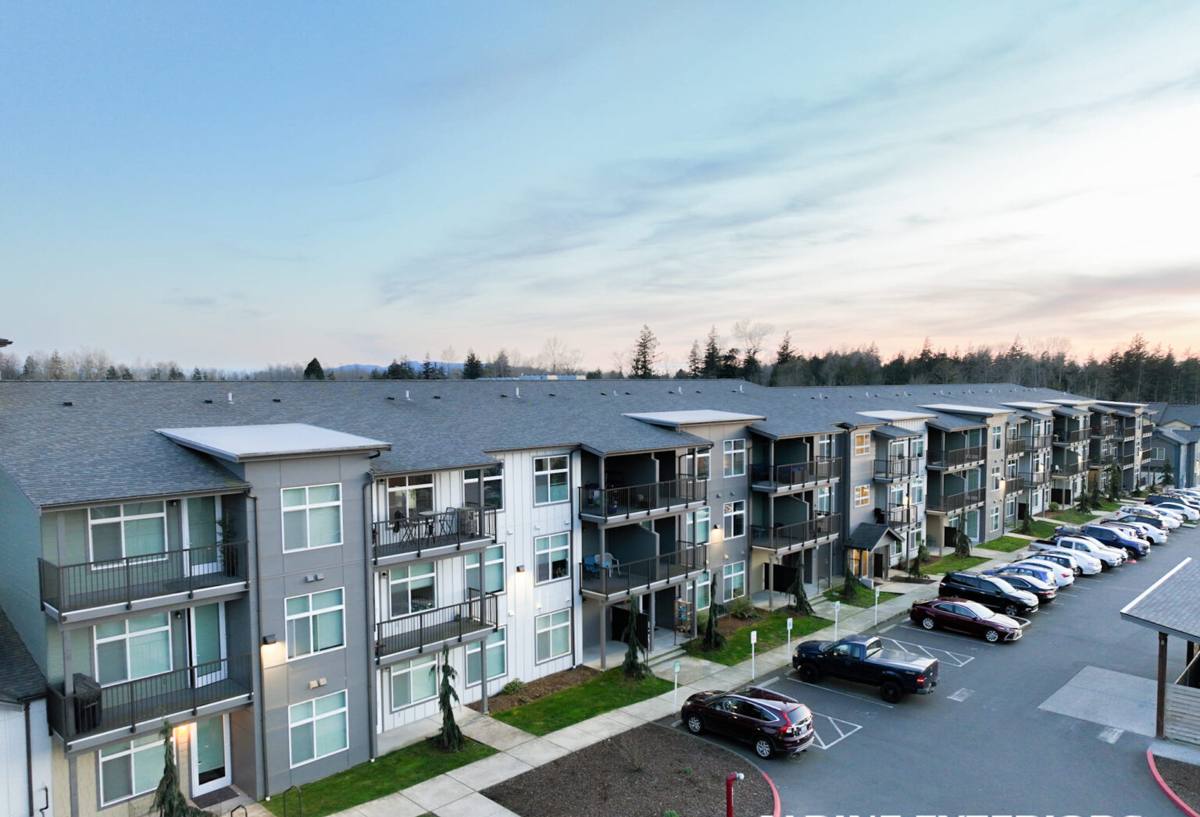
What Columbia's Housing Stock Means for the Job
Like much of inner Bellingham, Columbia has a mix of home ages and construction styles — older bungalows and cottages sitting alongside mid-century and newer infill homes. That mix matters for a siding replacement bid, because what's underneath the existing siding is rarely uniform from one house to the next.
Older Homes
Older Columbia homes were often built without a modern water-resistive barrier, and some have had one or more siding layers added over the decades. A proper replacement means pulling old siding off entirely — never re-siding over it — so we can actually see the sheathing, check for rot or old moisture damage, and start fresh with correct flashing and house wrap.
Newer and Mid-Century Homes
Newer builds usually have better bones underneath, but that doesn't mean the original siding job was done right. We still see missed kick-out flashing at roof-wall intersections, window and door flashing that was never properly integrated with the water-resistive barrier, and trim details that trap water instead of shedding it — all common causes of premature failure regardless of the home's age.
Signs a Columbia Home Needs Siding Replacement
Because of the salt air and rain exposure here, siding problems in Columbia tend to show up gradually and get dismissed as cosmetic until they aren't. Watch for these:
- Persistent moss or dark algae streaking on shaded walls that comes back within a season of cleaning
- Soft or spongy spots when you press on siding, especially near the bottom courses and around window sills
- Paint that's peeling, bubbling, or needing repainting far more often than every 8-10 years
- Visible warping, buckling, or gaps opening up between siding boards or panels
- Cracked or crumbling caulk at seams, trim, and penetrations that keeps failing after re-caulking
- A musty smell or visible staining on interior walls near exterior corners — a sign moisture has already gotten past the siding
- Siding that's more than 20-25 years old, particularly if it's an older wood, hardboard, or non-engineered product
What a Correct Siding Replacement Actually Involves
A siding replacement is a weatherproofing project first and a cosmetic upgrade second. Skipping steps in the weatherproofing layer is exactly what leads to the moss, rot, and paint failure that's common in this climate.
Full Tear-Off and Inspection
We remove the existing siding down to the sheathing, not just the visible layer, so we can inspect for hidden rot or moisture damage and repair or replace any compromised sheathing before anything new goes on.
Water-Resistive Barrier and Flashing
A new house wrap goes on correctly lapped to shed water downward, with proper flashing integrated at every window, door, and roof-wall intersection. This flashing detail is where most siding failures actually start, and it's the step that's easiest to rush.
James Hardie Installation to Spec
We install James Hardie fiber cement siding following the manufacturer's fastening, clearance, and caulking specifications exactly — proper ground clearance, correct nail placement, and factory-recommended gaps at butt joints and trim. Installed off-spec, even a good product performs poorly; installed correctly, it's built to handle this climate.
Why We Install Only James Hardie Fiber Cement
We standardized on James Hardie because, in a climate with this much sustained moisture and salt exposure, the product's fundamentals hold up better over time than the alternatives. It's non-combustible, it's engineered in a version specifically for the Pacific Northwest's wet climate zone, and it carries a factory-baked ColorPlus finish that resists the fading and chalking that plain paint on wood or hardboard siding suffers here. That means fewer repaint cycles and a warranty that's backed by the manufacturer, not just the installer.
We don't install vinyl, LP SmartSide, or bare wood siding, and that's a deliberate standard, not a lack of options. Each of those products has real strengths, but each also has a trade-off — heat and impact sensitivity, moisture-sensitive engineered wood substrates, or high maintenance demands — that we've found doesn't hold up as well against Bellingham's combination of driving rain, salt air, and long shaded moss season.
| Material | Moisture Resistance | Maintenance | Typical Lifespan |
|---|---|---|---|
| James Hardie Fiber Cement | Engineered for wet climates; won't rot or absorb water like wood | Low — factory finish resists fading, no re-painting for many years | 30+ years |
| Vinyl Siding | Won't rot, but seams and panels can warp or crack in temperature swings | Low, but color fades and can't be repainted easily | 15-25 years |
| Engineered Wood (LP SmartSide) | Wood-based substrate is moisture-sensitive if edges aren't sealed and maintained | Moderate — edge sealing and paint upkeep required | 15-25 years with diligent upkeep |
| Cedar / Primed Wood | Absorbs moisture, prone to rot and moss growth in shaded, damp areas | High — regular staining, sealing, and moss treatment | 15-20 years, shorter without upkeep |
Our Process for Columbia Homeowners
- Walkthrough and assessment — we look at your current siding, note problem areas like shaded walls prone to moss and any soft spots, and check trim and flashing conditions.
- Written estimate — a clear scope covering tear-off, sheathing repair if needed, house wrap, flashing, and James Hardie material and labor, with no vague allowances.
- Scheduling around Bellingham weather — we plan the tear-off and dry-in phase for a stretch of manageable weather so your home isn't exposed longer than necessary.
- Tear-off, repair, and dry-in — old siding comes off, sheathing issues get fixed, and the new water-resistive barrier and flashing go on before any siding panels do.
- Hardie installation and finish work — siding, trim, and caulking installed to manufacturer spec, followed by a final walkthrough with you.
Cost Factors for a Columbia Siding Replacement
Every home is different, but a few factors consistently move the price of a siding replacement in this neighborhood:
| Factor | Why It Matters |
|---|---|
| Home size and wall complexity | More corners, dormers, and trim details mean more labor and material cuts |
| Condition of the sheathing underneath | Hidden rot from a previous poorly-flashed install adds repair cost before new siding can go on |
| Siding profile chosen | Lap siding, shingle-style panels, and board-and-batten each have different material and labor costs |
| Trim and accessory scope | Replacing fascia, corner boards, and window trim alongside siding affects total project cost |
| Access and site conditions | Tight lots, mature landscaping, or multi-story walls can add setup time |
We'll walk through these specifics for your home during the estimate rather than quoting a number sight-unseen — broad ranges without seeing the actual walls, trim, and sheathing condition aren't useful to you.
Why a Crew That Already Works Columbia Matters
A contractor who regularly works in this neighborhood already knows what to expect before the first piece of old siding comes off — which wall orientations tend to hold moisture, how the salt air here affects fasteners and finishes over time, and what Whatcom County's permitting and inspection process looks like for an exterior remodel. That familiarity shows up in fewer surprises mid-project and a bid that reflects what's actually likely to be found once the old siding is gone, not just what's visible from the curb.
It also matters for accountability. A crew that plans to keep working in Columbia has every incentive to install James Hardie siding correctly the first time, because a callback or a failed installation in a neighborhood where word travels is bad for business in a way that a one-off job in a distant town isn't.
Get a Free, No-Pressure Estimate
If your Columbia home is showing signs of siding wear — moss that won't stay gone, paint that keeps failing, or siding that's simply past its service life — we're happy to take a look and walk you through what a correct James Hardie replacement would involve for your specific home. The estimate is free, there's no pressure to move forward, and you'll leave the conversation with a clear, honest picture of your options.