 Bellingham Exterior
 Windows Built for Columbia's Climate, Not a Catalog
Columbia sits close enough to the water that homes here take a different kind of weathering than houses further inland in Whatcom County. Salt-laden air off Bellingham Bay works into window frames and hardware over the years, wind-driven rain finds every gap in a tired seal, and the long gray stretch from October through April keeps wood trim and sills damp for months at a time. Add in a moss season that runs longer here than in drier parts of the state, and you've got a climate that is genuinely hard on windows — not in a dramatic way, just a slow, steady one that shows up as fogged glass, sticky sashes, and heating bills that creep up year after year.
We install energy-efficient replacement windows for homeowners in Columbia and the surrounding Bellingham neighborhoods, and we've learned what actually holds up here versus what looks good on a spec sheet. This page covers what a correct window job looks like for this specific area, what we check before we ever quote a price, and why local experience matters more than most homeowners realize until they've lived with a bad install.
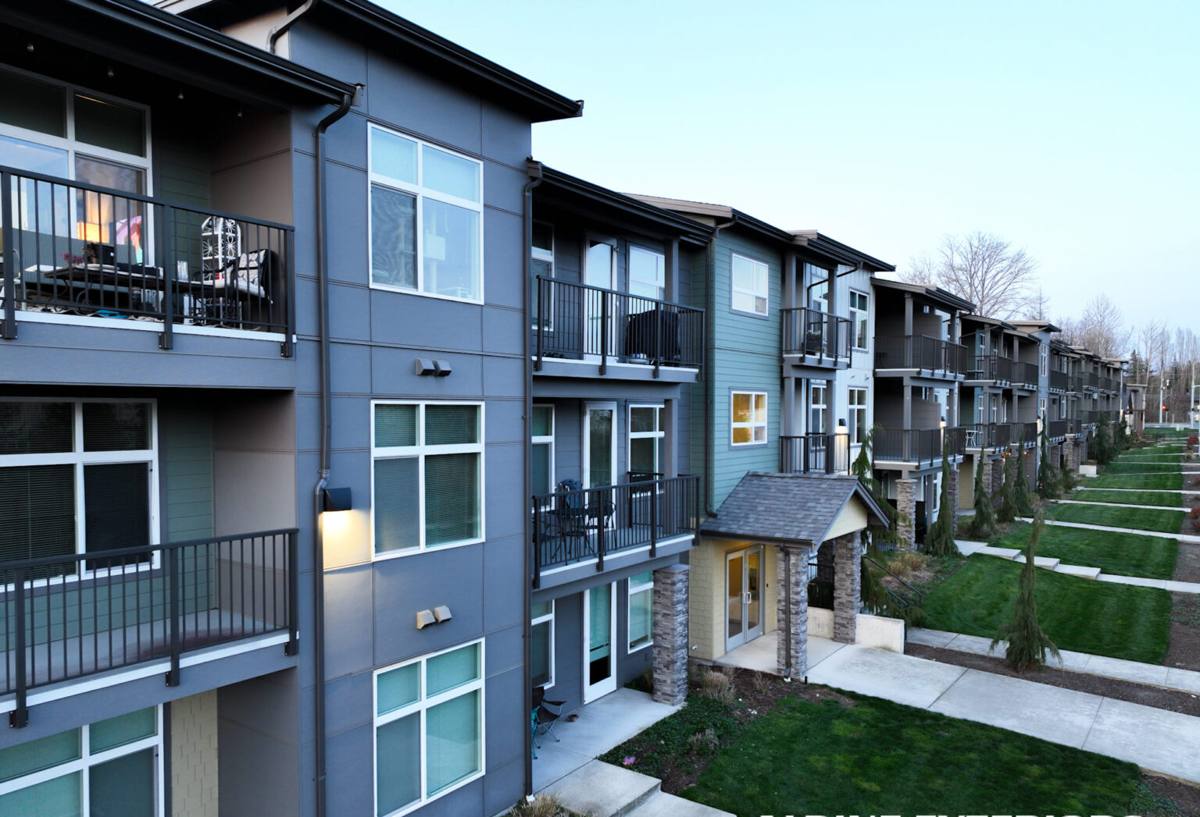
What Bellingham's Weather Actually Does to Windows
Salt Air and Metal Hardware
Even a few miles from the water, airborne salt accelerates corrosion on window hardware — hinges, locks, and roller tracks in particular. Cheaper hardware finishes pit and seize up faster near the coast than they would in, say, Spokane. This is one of the first things we look at during an inspection: what's the hardware made of, and is it rated for a marine-influenced climate.
Driving Rain and Air Infiltration
Bellingham doesn't just get rain — it gets a lot of it moving sideways in a winter storm. Windows with weak seals or poorly integrated flashing let water track behind the trim, which you often don't see until there's already staining or soft wood. A properly flashed, properly sealed window install matters more here than in a climate with mostly straight-down rain.
Moss, Mildew, and Prolonged Dampness
Our moss season isn't limited to roofs. Window sills, especially wood ones facing north or shaded by trees, stay damp long enough to grow mildew and eventually rot if they're not sealed and finished correctly. Vinyl and fiberglass frames sidestep a lot of this, but even those need correct drainage details so water doesn't pool at the sill.
What a Correct Energy-Efficient Window Job Involves
"Energy-efficient" gets used loosely in this industry. For a Columbia home, we treat it as a combination of three things working together — the glass package, the frame material, and the installation itself. Get one wrong and the other two don't matter much.
Glass Package
For our climate, we generally recommend double-pane windows with low-E coatings and argon gas fill as the practical baseline — it balances upfront cost against real-world performance in a marine climate with mild but persistent heating demand. Triple-pane glass offers a further step up in insulation and sound dampening, which some homeowners want on busier streets or north-facing rooms, but it comes at a real cost premium that doesn't always pencil out unless you're also chasing noise reduction.
Frame Material
Vinyl and fiberglass both perform well against our salt air and moisture — they don't corrode and don't require repainting. Wood-clad windows can look great and some homeowners want that look for a period home, but they carry a higher maintenance burden here specifically because of how much moisture our climate holds against exterior trim. We'll walk you through the trade-offs honestly rather than push whatever earns us the biggest margin.
Installation Details That Actually Matter
- Correct flashing integration with the existing wall assembly, not just caulk over the gap
- Sill pans or sloped sills so water sheds away from the frame instead of sitting against it
- Proper shimming so the sash operates smoothly and seals evenly for the life of the window
- Insulation in the gap between frame and rough opening — not overpacked, not left empty
- Weep holes and drainage paths left clear and functional, not sealed shut by mistake
- Interior and exterior trim sealed to shed water while still allowing the assembly to dry
Skip any one of these and you can end up with a window that has a great energy rating on paper but still leaks, sticks, or fails early because of how it was set into the wall.
Signs a Columbia Home's Windows Need Attention
| What You Notice | Likely Cause | Urgency |
|---|---|---|
| Fogging or moisture between panes | Failed seal, lost gas fill | Replace — efficiency is gone, not repairable |
| Drafts near the frame in windstorms | Worn weatherstripping or poor original install | Inspect soon, especially before winter |
| Sticky or hard-to-operate sashes | Corroded hardware or swollen wood frame | Address before it becomes a security issue |
| Soft or discolored sill/trim | Water intrusion, possible rot starting | Investigate promptly — rot spreads |
| Visible mildew on interior sill | Condensation from poor insulation or old glass | Monitor; often paired with a glass upgrade |
| Rising heating bills, no other cause | Aging windows losing efficiency gradually | Evaluate as part of a broader energy check |
Our Process for Columbia Homeowners
1. On-Site Inspection
We look at existing frame condition, hardware wear, signs of water intrusion, and how the current windows are oriented relative to weather exposure. A window on the windward side of a Columbia home is doing different work than one tucked under an eave, and that affects what we recommend.
2. Honest Product Walkthrough
We'll show you real options at different price points and explain the actual trade-offs — not just upsell to the most expensive line. If a mid-range vinyl window with a good glass package is the right call for your situation, we'll say so.
3. Written Estimate
Clear scope, clear materials, clear timeline. No vague allowances that turn into surprise costs mid-project.
4. Installation
Our crews follow the flashing, sealing, and drainage details above on every install — this is the part of the job that determines whether a window performs for fifteen years or starts failing in three.
5. Walkthrough and Cleanup
We check operation on every window with you before we call the job done, and we clean up the site properly.
What Drives Cost
Every home is different, but a few factors consistently move the price on a window project in this area:
- Number of windows and their sizes — larger openings and specialty shapes cost more
- Frame material chosen — vinyl is typically the most economical, fiberglass and wood-clad cost more
- Glass package — double-pane low-E versus triple-pane versus added sound-dampening glass
- Condition of the existing opening — rot repair or structural correction adds labor
- Access and site conditions — second-story or hard-to-reach windows take more time
- Full-frame replacement versus insert (pocket) replacement, depending on your wall condition
We'd rather give you a real number after seeing the actual windows than throw out a broad range that doesn't mean much for your specific home.
Why a Crew That Already Works Columbia Matters
General contractors who don't work this specific area regularly sometimes miss the details that matter here — under-flashing for our rain patterns, hardware that isn't rated for salt exposure, or sill details that don't account for how long moisture sits against a window in our shoulder seasons. A crew that installs windows around Bellingham and Whatcom County routinely has already seen how different materials and installation approaches hold up locally over years, not just on install day. That experience shows up in fewer callbacks and windows that actually perform the way they're rated to.
Maintenance That Extends the Life of New Windows
Even a well-installed window needs a little upkeep in this climate:
- Rinse salt residue off frames and hardware a couple times a year, especially closer to the water
- Keep weep holes clear of debris and moss so water can drain properly
- Check and refresh exterior caulking every few years, sooner on south- and west-facing walls
- Lubricate hardware annually to prevent corrosion-related sticking
- Trim back vegetation that keeps window areas shaded and damp longer than necessary
If your Columbia home has windows that fog, stick, draft, or just aren't pulling their weight on your energy bills anymore, we're happy to take a look. We'll give you a straightforward, no-pressure estimate based on what your home actually needs — use the form below to get started.