 Bellingham Exterior
 Deck Repair Built for Ferndale's Weather
Ferndale sits close enough to the water and to the open, wind-driven weather off the Strait of Georgia that decks here age differently than decks fifty miles inland. Salt-tinged air speeds up corrosion on fasteners and hardware. Driving rain off Bellingham Bay finds every seam in decking boards and flashing that a calmer climate would never expose. And Whatcom County's long, wet moss season keeps deck surfaces damp for months at a stretch, which is exactly the condition wood rot and mildew need to take hold. We repair decks in Ferndale regularly, and the failure patterns we see are consistent enough that we can usually tell you what's wrong before we pull the first board.
This page covers deck repair specifically — not new deck construction. If your deck is structurally sound but showing wear, damage, or early rot, this is the service that fixes it without the cost of a full rebuild.
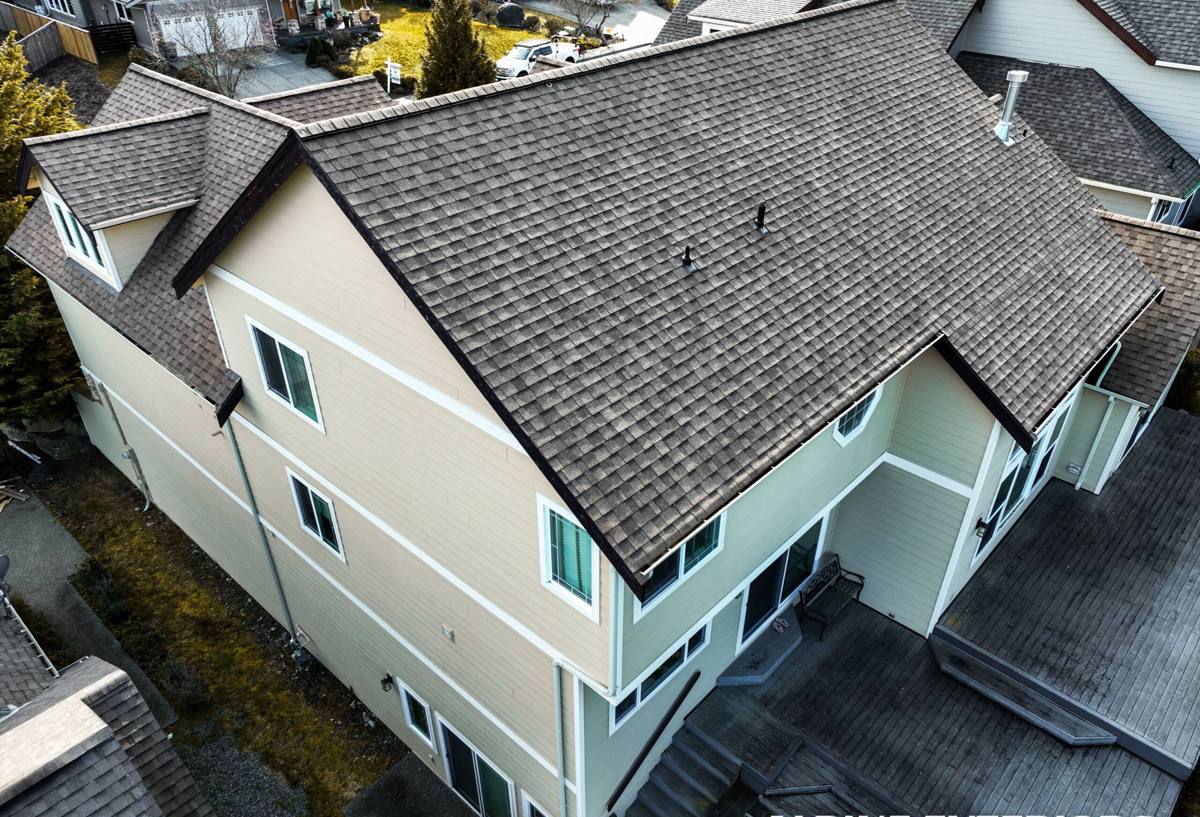
Signs a Ferndale Deck Needs Repair
Most deck problems don't show up as one dramatic failure — they show up as small, easy-to-ignore signs that get worse over a wet winter. Homeowners usually call us after noticing one or more of these:
- Boards that feel soft, spongy, or spring back slowly underfoot
- Railings or posts that wiggle when you lean on them
- Dark staining, green film, or black spotting on decking or under the rail line
- Gaps opening up between boards, or boards that have started to cup or crown
- Rust streaks running down from screws, joist hangers, or bolts
- A ledger board area (where the deck meets the house) that looks discolored or feels soft
- Stair stringers that flex or creak more than they used to
Any one of these can be a minor fix. Several at once, especially near the ledger or support posts, usually means the damage has moved from the surface into the structure — and that changes the scope of the repair.
What's Actually Failing: Common Culprits
Ledger Board and House Connection
The ledger board — where the deck attaches to the house framing — is the single most important structural point on most decks, and it's also the one most exposed to trapped moisture. Driving rain gets pushed sideways by wind off the water and finds its way behind flashing that's cracked, missing, or was never installed correctly to begin with. We check this connection on nearly every repair call, because a deck can look fine everywhere else while quietly failing at the house.
Posts, Footings, and Framing
Wood posts sitting in or near standing water, and joists that don't get enough airflow underneath the deck, are where we find the worst rot in this area. Ferndale's mix of rain and shade from mature trees means some decks stay damp for days after a storm passes. Weak or shifting footings also show up as a deck that feels slightly unlevel or bouncy at one corner.
Decking Boards and Fasteners
Surface-level wear is the most visible problem and often the easiest to fix — but it's also where corner-cutting causes the most repeat trouble. Fasteners that aren't rated for treated lumber or coastal exposure corrode and stain the wood around them within a couple of seasons. Boards installed without a gap for expansion cup and crack as they take on and release moisture through the wet months.
Railings and Stairs
Loose railings are a safety issue, not just a cosmetic one, and they're one of the most common repair calls we get. Stairs take constant foot traffic and direct rain exposure with almost no protection, so stringers and treads often need attention well before the rest of the deck does.
Repair vs. Replacement: How We Decide
Not every deck problem needs a full rebuild, and we don't push replacement when a targeted repair will hold up. The honest answer usually comes down to how much of the structure is still sound versus how much has been compromised.
| Factor | Leans Toward Repair | Leans Toward Replacement |
|---|---|---|
| Framing & posts | Solid, dry, no soft spots | Rot at multiple posts or joists |
| Ledger board | Intact, properly flashed | Soft, rotted, or improperly attached |
| Decking surface | Isolated bad boards | Widespread cupping, splitting, or rot |
| Age of structure | Under 15-20 years, well-built | Original build was undersized or outdated |
| Code compliance | Meets current railing/attachment code | Missing hardware current code requires |
We'll walk the whole deck, check the framing from underneath where we can access it, and give you a straight answer on which category you're in — including if that means telling you a repair is the right call even though a replacement would be a bigger job for us.
How Our Deck Repair Process Works
- On-site assessment. We inspect decking, railings, stairs, and — critically — the framing, posts, and ledger connection from underneath and at every accessible joint.
- Written scope and estimate. You get a plain-language explanation of what's damaged, what's causing it, and what it takes to fix it correctly — not just what's visible on the surface.
- Remove and expose damage. Any rotted, cracked, or corroded material gets pulled so we're not fastening new work to compromised wood.
- Repair the structure first. Framing, posts, footings, and the ledger connection get addressed before anything cosmetic — a new deck surface over bad framing just hides the problem.
- Rebuild the surface. New boards, railings, or stair components go in with fasteners and hardware suited to this climate, with proper board spacing for drainage and expansion.
- Final check. We test railings, stairs, and board fastening under load before calling it finished.
Moss, Drainage, and the Whatcom County Wet Season
Moss doesn't just make a deck slippery — it holds moisture directly against the wood for extended periods, which is one of the fastest ways to shorten the life of any decking material. In Ferndale's long wet season, north-facing decks and areas shaded by trees or the house itself are the most consistent trouble spots. Proper board spacing, adequate airflow underneath the deck, and keeping gutters and downspouts clear so water isn't dumping onto or under the deck all matter more here than they would in a drier climate. When we repair a deck, we look at drainage and airflow as part of the fix, not as an afterthought — a repair that doesn't address why the damage happened in the first place tends to come back.
Materials: What Holds Up in This Climate
We'll use whatever material makes sense for your deck's age, style, and budget, but we're honest about trade-offs rather than steering everyone toward one option.
| Material | Strengths | Trade-offs Locally |
|---|---|---|
| Pressure-treated wood | Cost-effective, easy to match to existing decking | Needs regular sealing/staining to resist moisture and moss |
| Cedar | Natural rot resistance, good appearance | Softer surface, still needs periodic maintenance |
| Composite decking | Low maintenance, resists moisture and mold well | Higher upfront cost; some products can trap moisture underneath if airflow isn't planned for |
For fasteners and hardware, we use products rated for treated lumber and outdoor/coastal exposure. Using the wrong-grade screws or hangers is one of the most common shortcuts we see on prior repairs, and it's usually why homeowners end up calling us a second time.
What a Thorough Deck Repair Should Include
- Inspection of framing, posts, and footings — not just the visible decking surface
- Check of the ledger board and house flashing for hidden moisture damage
- Removal of all compromised material, not just the worst-looking boards
- Corrosion-resistant fasteners and hardware rated for outdoor/coastal use
- Proper board spacing and under-deck airflow for drainage
- Railing and stair load testing before the job is called complete
- A written explanation of what was found and what was fixed
Why a Crew That Already Works Ferndale Matters
Deck repair done right depends on recognizing what's causing the damage, not just patching what's visible. A crew that regularly works Ferndale and the greater Bellingham area already knows which framing details fail first in this weather, which board spacing actually holds up through a wet Whatcom County winter, and which fastener grades are worth the extra cost versus which cut corners come back to bite homeowners in two or three years. That local pattern recognition is the difference between a repair that lasts and one that's a temporary patch on a problem that's still there underneath.
After the Repair: Keeping It That Way
A good repair buys you years, but a few habits stretch that further in this climate: keep gutters and downspouts clear so water isn't draining onto the deck, sweep off standing leaves and debris before they trap moisture, re-seal or re-stain wood decking on a regular schedule rather than waiting until it looks dry and gray, and take a look underneath the deck once a year for early signs of moisture or pests. Catching a small problem in year two is a lot cheaper than catching a big one in year eight.
If you're seeing soft spots, loose railings, staining, or just aren't sure whether your Ferndale deck needs a repair or something more, we're happy to take a look and give you a straight answer. Estimates are free, and there's no pressure to move forward with anything.