 Bellingham Exterior
 Windows in South Hill Take a Different Kind of Beating
South Hill is one of Bellingham's older, established neighborhoods, with a mix of early-20th-century homes and newer infill built on sloped lots that catch wind and weather off Bellingham Bay. That elevation and exposure is part of what makes the neighborhood desirable — and part of what wears out windows faster than homeowners expect. Salt-laden air off the water, driving rain that comes in sideways during winter storms, and a moss season that stretches for months all work on window frames, seals, and sills year-round. A window that would last two more decades in a drier inland climate can be failing in South Hill after twelve or fifteen years if it wasn't installed with this exposure in mind.
We're not describing a generic Pacific Northwest problem here — we're describing what actually happens to windows on this specific hillside, in this specific microclimate, and what a replacement job needs to account for if it's going to hold up.
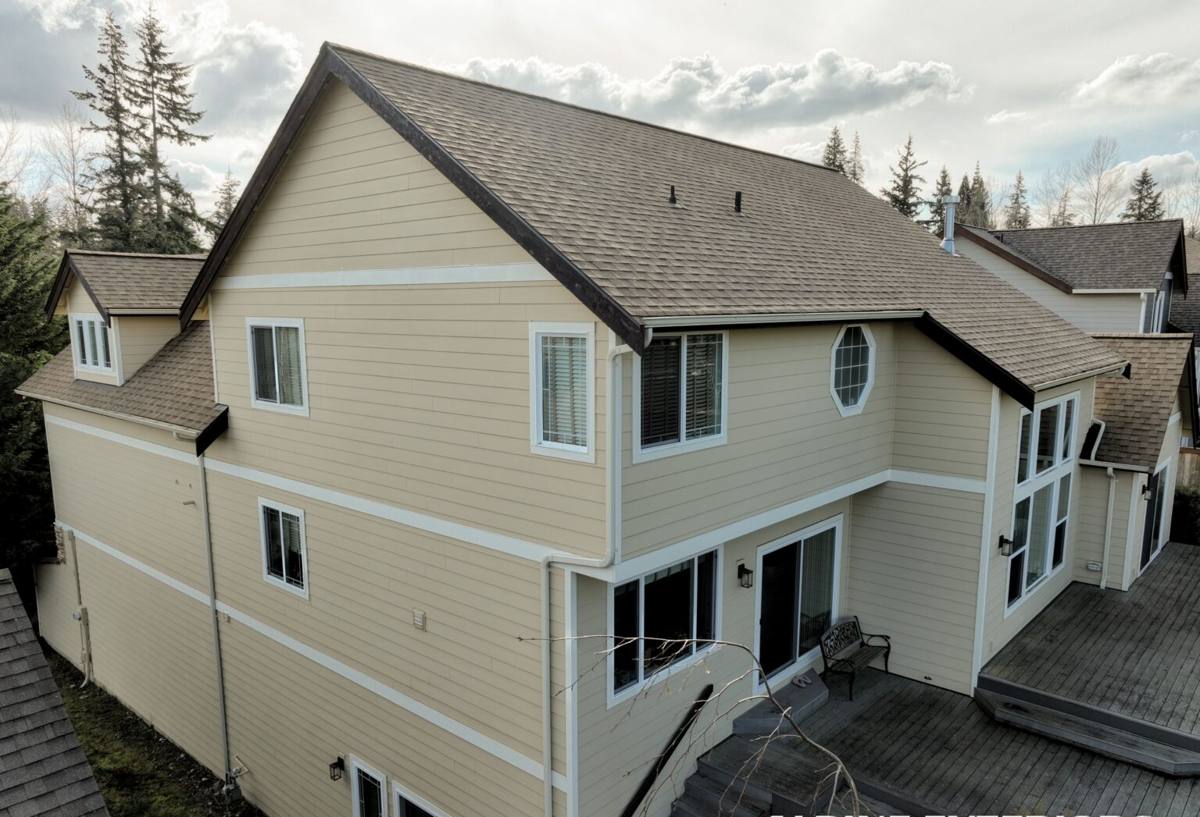
What Whatcom County Weather Does to a Window Over Time
Salt Air and Metal Fatigue
Homes with any exposure toward the bay pick up airborne salt that accelerates corrosion on aluminum frames, hardware, and fasteners. Locks stiffen, hinges pit, and finishes chalk out faster than the manufacturer's warranty literature assumes, because that literature is usually written for inland conditions.
Driving Rain and Wind-Driven Water
South Hill's exposure means rain doesn't just fall on windows, it gets pushed into them horizontally during winter fronts. That puts real pressure on flashing details and sill pans that a calmer site would never test. A window that's watertight in a still rain can still leak in a wind-driven one if the installation wasn't detailed for that load.
Moss, Algae, and Sustained Dampness
Bellingham's long moss season isn't just a roof and siding problem. Moss and algae take hold on window sills, tracks, and exterior trim wherever moisture sits without enough sun or airflow to dry it out. Left alone, that sustained dampness works into wood trim and compromises seals from the outside in, well before a homeowner notices a draft indoors.
Signs a South Hill Home Needs Window Replacement, Not Just Repair
- Fogging or a visible haze between panes — the sealed gas fill has failed and can't be restored
- Wood sills that feel soft, spongy, or show dark staining at the corners
- Persistent condensation on the inside of the glass even with normal ventilation
- Drafts you can feel with a hand near the frame on a windy day
- Windows that are difficult to open, close, or lock — often a sign the frame has shifted or swollen
- Visible corrosion or pitting on aluminum frames or hardware
- Moss or algae growth on the sill or lower frame that keeps returning after cleaning
- A noticeable jump in heating costs with no other explanation
Any one of these on its own might be solvable with a repair. Two or three together, especially on the weather-exposed side of the house, usually means the window assembly has reached the end of what repair can fix.
What a Correct Window Replacement Job Actually Involves
The window unit itself is only part of the job. In a climate that pushes water sideways at a building for months at a time, the installation details matter as much as the product. A correct job includes:
- Removing the old unit and inspecting the rough opening for rot, moisture damage, or framing issues before anything new goes in
- Repairing or replacing any damaged framing or sheathing found during removal — never installing a new window over a compromised opening
- Installing a properly sloped sill pan so any water that gets past the window drains back out, not into the wall
- Flashing the opening in the correct shingle-lap sequence so water is directed out and down, never trapped behind the siding
- Sealing with materials rated for this climate's temperature swings and moisture exposure, not generic caulk
- Insulating the gap between the frame and rough opening fully, without over-packing it in a way that bows the frame
- Reinstalling or replacing exterior trim so it sheds water rather than holding it against the frame
Skipping the flashing and sill pan details is the single most common shortcut we see behind failed window jobs on exposed hillside homes — and it's invisible once the trim goes back on, which is exactly why it matters who's doing the work.
Choosing the Right Window for a South Hill Home
There's no single "best" window material — the right choice depends on exposure, budget, and how much maintenance a homeowner wants to take on. Here's how the common options actually compare for a home in this location:
| Frame Material | Behavior in Salt Air / Driving Rain | Maintenance | Typical Lifespan Here |
|---|---|---|---|
| Vinyl | Doesn't corrode; performs well against salt exposure | Low — occasional cleaning | 20–30 years |
| Fiberglass | Very stable, resists warping under temperature and moisture swings | Low | 30+ years |
| Aluminum | Prone to pitting and corrosion in salt air over time unless well-coated | Moderate to high near the bay | 15–25 years, less in exposed spots |
| Wood (unclad) | Attractive but vulnerable to sustained dampness and moss-season moisture | High — regular painting/sealing required | Varies widely with upkeep |
| Wood-clad (vinyl or aluminum exterior) | Good balance — protected exterior, wood interior look | Low to moderate | 25–30 years |
For most homes on this hillside, we steer people toward vinyl or fiberglass for anything with real weather exposure, and reserve unclad wood for sheltered elevations where a homeowner is genuinely committed to the upkeep. That's a maintenance and moisture-behavior recommendation, not a knock on wood windows generally — they're a fine product in the right spot.
Glass Packages Worth the Money Here
Double-pane, low-E glass with argon fill is the practical standard for this climate — it cuts down on the condensation and heat loss that come with our damp, cool winters. Triple-pane adds cost and weight for a modest additional performance gain; it's worth discussing for a north-facing or particularly exposed elevation, but it isn't necessary on every window in the house.
What Drives the Cost of a South Hill Window Job
| Factor | Why It Matters Here |
|---|---|
| Number and size of openings | Larger or more windows mean more material and labor, straightforwardly |
| Frame material chosen | Vinyl is the most budget-friendly; fiberglass and clad-wood cost more upfront but need less upkeep |
| Condition of the rough opening | Rot or moisture damage found during removal adds repair time before the new window goes in |
| Elevation and access | Sloped lots and upper-story windows can require staging or lift access, which adds labor |
| Trim and siding tie-in | Matching existing trim profiles or re-flashing into existing siding takes more care than a bare wall |
| Full-frame vs. insert replacement | Full-frame replacement (recommended where there's any frame damage) costs more than a pocket insert into a sound existing frame |
We'd rather walk a homeowner through these factors on-site than quote a number over the phone — every one of them can swing the price meaningfully, and the only way to know what a specific house needs is to look at the openings in person.
Our Process for a South Hill Job
- On-site assessment of every window being replaced, including a look at the surrounding trim, siding, and any visible moisture signs
- A clear, written estimate that breaks out the window units, labor, and any anticipated framing repair
- Scheduling that accounts for Whatcom County's wetter months — we plan around weather windows rather than rushing a job into driving rain
- Removal, opening inspection, and any needed rot or framing repair, done and shown to the homeowner before the new window goes in
- Installation with full flashing, sill pan, and sealing detail appropriate to the exposure
- Final walkthrough covering operation, care, and what to watch for as the house settles into the new windows
Why Hiring a Crew That Already Works South Hill Matters
Window replacement is one of those jobs where the parts nobody sees — the flashing sequence, the sill pan slope, the sealant choice — determine whether it holds up through a Whatcom County winter or fails quietly behind the trim in a few years. A crew that already works this neighborhood knows which elevations catch the worst of the wind-driven rain, what moss buildup on a sill usually means underneath, and how salt exposure changes which materials make sense. That's not something a homeowner should have to explain to a contractor — it's something the contractor should already understand walking in.
If your South Hill home has windows showing any of the wear signs above, or you're simply planning ahead before the next storm season, we're glad to come take a look. We offer a free, no-pressure estimate — you can use the form below to get started.