 Bellingham Exterior
 Roofing in South Hill: A Different Set of Conditions
South Hill sits up on the ridge above downtown Bellingham, and that elevation and exposure change what a roof has to deal with compared to homes down closer to the water or tucked into more sheltered neighborhoods. Homes here catch more open wind off the bay, more direct driving rain during winter storms, and long stretches of shaded, damp conditions under mature tree cover on many of the older lots. Add in Whatcom County's salt-tinged air moving up from Bellingham Bay, and you've got a combination that ages an underbuilt or poorly ventilated roof faster than homeowners expect.
A lot of the roofs we look at in South Hill are original to houses built decades ago, when roofing materials, ventilation standards, and underlayment products were simply not what they are today. That's not a criticism of the original builders — it's just the reality of a roof that's been up there for 25, 35, or more years in a marine climate. When it's time to replace one, the goal isn't just to put new shingles on the same old system. It's to build a roof that's actually matched to what South Hill weather does to a house year after year.
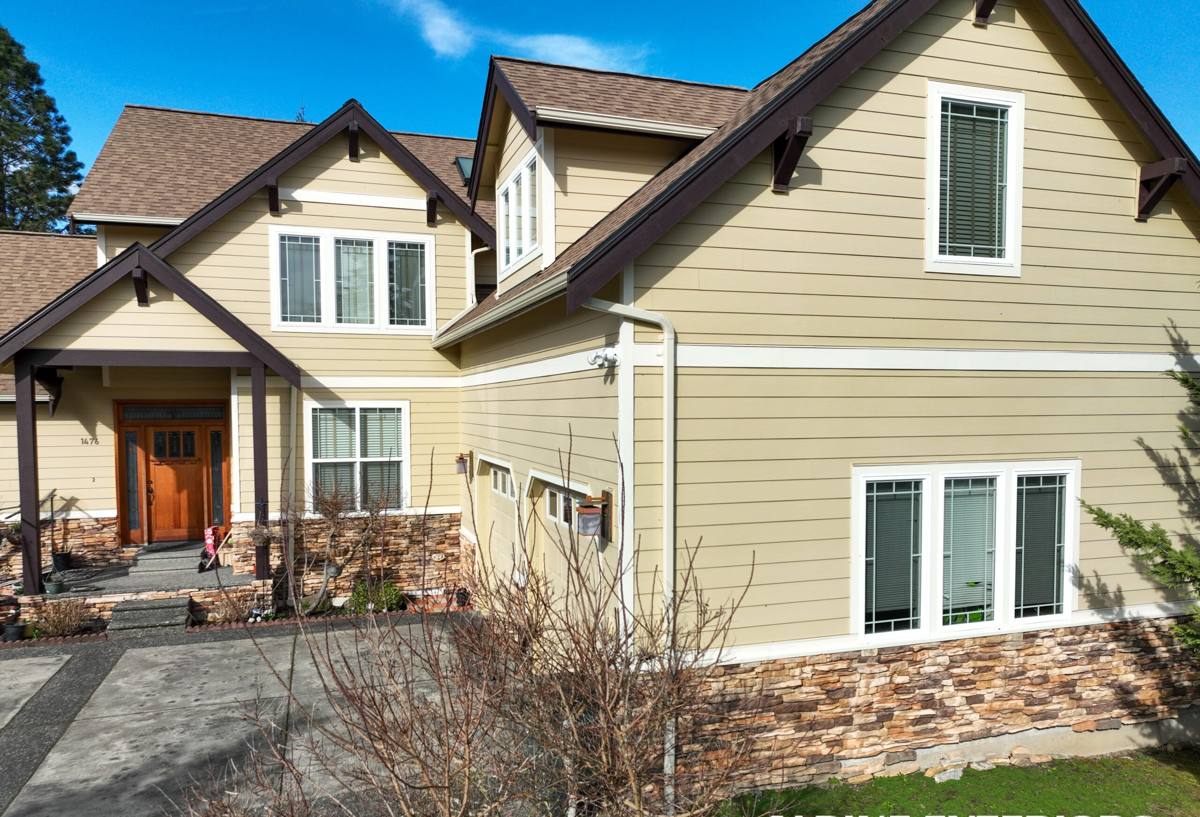
What Bellingham's Climate Does to a Roof Over Time
Three things drive most of the roof failures and premature wear we see across Bellingham, and South Hill gets a good dose of all three:
- Moss and organic growth: Long, mild, wet stretches from fall through spring give moss and algae plenty of time to establish on north-facing slopes and shaded sections. Moss holds moisture against the roofing material and can work its way under shingle edges, lifting them over time.
- Driving rain: Wind-driven rain off the bay doesn't just fall straight down — it pushes sideways under improperly lapped shingles, around poorly flashed penetrations, and into any gap in the underlayment. A roof that would hold up fine in a calmer climate can leak here if the details aren't right.
- Salt air exposure: Homes closer to the water deal with airborne salt that accelerates corrosion on exposed metal fasteners, flashing, and vents. Over years, that corrosion is one of the more common quiet causes of leaks — a rusted-through flashing piece or fastener long before the shingles themselves have worn out.
None of these are reasons to avoid a particular roofing material. They're reasons to be deliberate about underlayment, flashing, ventilation, and fastener choice — the parts of a roof system most homeowners never see and most low-bid contractors skip past.
Signs a South Hill Roof Needs Replacing, Not Patching
Not every roof problem calls for a full tear-off. But there's a point where repeated repairs stop making financial sense and a full replacement becomes the honest recommendation. We look for:
- Granule loss heavy enough that you can see bare asphalt on multiple slopes, not just one worn spot
- Shingles that are curling, cupping, or cracking across large sections rather than isolated spots
- Moss coverage that's returned repeatedly after cleaning, especially on shaded north or east-facing slopes
- Soft spots in the decking when walked, which usually means water has already gotten past the roofing material
- Daylight visible through the attic or staining on interior ceilings near exterior walls
- A roof already past 20-25 years old with multiple past repairs
If a roof is showing one or two of these in isolation, targeted repair is often the right call. When several show up together, patching becomes a short-term fix on a system that's failing overall — and continuing to spend money on repairs starts to cost more than a properly planned replacement.
What a Correct New Roof Installation Actually Involves
Tear-Off and Deck Inspection
We remove the old roofing down to the deck rather than layering over it. That's the only way to actually see what's underneath — and in a wet climate like Bellingham's, it's common to find sections of decking that have taken on moisture damage around old penetrations, valleys, or areas where moss sat against the roof for years. Any soft or compromised decking gets replaced before anything new goes down. Skipping this step and roofing over a soft deck is one of the most common shortcuts that leads to early failure.
Underlayment Built for Wind-Driven Rain
This is where a lot of the real weather protection actually happens, more than people realize. In an exposed location like South Hill, we pay particular attention to ice-and-water shield or equivalent self-adhering membrane at eaves, valleys, and around every penetration — the spots most vulnerable to wind-driven rain forcing its way under the shingle layer. A synthetic underlayment across the full deck adds a secondary water barrier beneath the primary roofing material.
Flashing Details
Flashing around chimneys, skylights, sidewalls, and vent pipes is where the majority of roof leaks originate — not in the open field of shingles. We use corrosion-resistant flashing materials and proper step-and-counter-flashing methods at wall intersections, which matters more here given the salt air's effect on lesser-grade metal over time.
Ventilation
A roof deck that can't breathe traps moisture, which shortens the life of the decking and the roofing material both, and it also feeds the conditions moss and mildew like. We evaluate intake and exhaust ventilation as part of every replacement — balanced ridge and soffit venting where the structure allows for it — rather than just replacing what was there, right or wrong.
Material Installation
Correct nailing patterns, proper shingle exposure and lap, and manufacturer-spec starter courses at eaves and rakes all matter more in high-wind, high-rain conditions than they would in a milder climate. This is also where fastener corrosion resistance counts — we use fasteners rated for the exposure, not whatever's cheapest.
Material Options for a Marine Climate Roof
There's no single "best" roofing material for every South Hill home — it depends on the roof's slope, the home's style, budget, and how much long-term maintenance a homeowner wants to take on. Here's how the common options generally compare for this climate:
| Material | Moisture & Moss Resistance | Typical Lifespan Here | Maintenance Considerations |
|---|---|---|---|
| Architectural asphalt shingle | Good with proper underlayment and algae-resistant granules | 25-30 years | Periodic moss/debris removal on shaded slopes; most common, most economical upfront |
| Standing seam metal | Excellent shedding of rain; minimal surface for moss to grip | 40-50+ years | Higher upfront cost; fastener and coating quality matter in salt air |
| Synthetic/composite shingle | Very good; resists moisture absorption | 30-40 years | Mid-range cost; check manufacturer warranty terms for coastal exposure |
| Cedar shake | Requires diligent maintenance in this climate | Varies widely with upkeep | High moisture retention risk under moss/shade; we're upfront about the maintenance burden before recommending it |
We'll walk through these options against your specific roof — its slope, exposure, and the style of the house — rather than pushing one product across every job. Cost, appearance, and how much maintenance you actually want to do all factor into the right call.
What Drives the Cost of a New Roof
Every roof is priced individually after an actual inspection, but the factors that move the number up or down are consistent:
| Factor | Why It Matters |
|---|---|
| Roof size and number of slopes | More square footage and complexity means more material and labor |
| Pitch and accessibility | Steep or hard-to-access roofs take longer and require more safety setup |
| Deck condition | Rotted or soft decking sections need replacement before roofing begins |
| Material selected | Asphalt, synthetic, and metal carry different material and labor costs |
| Number of penetrations | Chimneys, skylights, and vents each require careful flashing work |
| Tear-off layers | Removing multiple existing layers adds labor and disposal cost |
We give a written estimate after walking the actual roof, not a phone-quote guess — too many of these factors can't be judged accurately without getting up there.
Our Process for South Hill Roof Replacements
- On-site inspection: We walk the roof and attic, check the deck, flashing, ventilation, and note problem areas before quoting anything.
- Written estimate and material discussion: You get a clear scope of work and pricing, with material options explained honestly, including trade-offs.
- Scheduling around weather: Bellingham's wet season means timing matters. We plan installs to minimize exposed-deck time and work around forecasted rain where possible.
- Tear-off and deck repair: Old material comes off, decking is inspected and repaired as needed before anything new is installed.
- Underlayment, flashing, and ventilation work: The parts of the job that determine whether the roof actually performs in this climate.
- Material installation to manufacturer spec: Proper nailing, lap, and exposure for wind and rain resistance.
- Final walkthrough and cleanup: We review the finished roof with you and make sure the site is clear of debris and old materials.
Why Local Experience in South Hill Matters
A roofing crew that's worked across South Hill and greater Bellingham has already dealt with the specific mix of pitch, tree cover, wind exposure, and moisture this neighborhood produces. That's not a small thing — a crew used to drier or more sheltered climates can install a technically sound roof on paper that still underperforms here because it wasn't detailed for wind-driven rain or long moss seasons. Local permitting familiarity, knowing which flashing and underlayment specs actually hold up on Whatcom County homes, and understanding how a particular slope will behave through a wet winter all come from doing this work in this place repeatedly, not from a generic install checklist.
Maintaining Your New Roof After Installation
A correctly installed roof still benefits from basic upkeep, especially here:
- Keep gutters clear so water isn't backing up under eaves during heavy rain
- Trim back overhanging branches to reduce shade and debris buildup that feeds moss
- Have moss growth removed gently before it spreads, rather than letting it sit through another wet season
- Schedule a periodic visual check after major storms, particularly on older flashing points
- Address any small leak signs promptly rather than waiting — small underlayment failures are far cheaper to fix early
None of this requires constant attention, but a little seasonal awareness goes a long way toward getting the full lifespan out of a new roof in this climate.
If your South Hill home's roof is showing its age or you're planning ahead for a replacement, we're happy to take a look and walk you through your options honestly. Reach out below for a free, no-pressure estimate — we'll assess the actual condition of your roof and give you straight answers before any work is scheduled.