 Bellingham Exterior
 Why Sunnyland's Climate Is Hard on Siding
Sunnyland sits close enough to Bellingham Bay that salt-laden air is a constant, low-grade stress on exterior materials, even on properties that don't have a water view. Add Whatcom County's long wet season — months of driving rain pushed sideways by wind off the water — and siding here is dealing with moisture intrusion risk that a lot of siding products simply weren't built to handle for the long haul. Then there's moss. Sunnyland's tree-shaded streets and mature landscaping keep a lot of siding in partial shade for much of the year, and shade plus moisture equals a moss and mildew season that can run from fall through spring.
None of that is unusual for Bellingham. But it does mean the siding choice matters more here than it would in a drier, sunnier climate. A product that looks fine going up in July can start showing problems by its second or third wet winter if it isn't dimensionally stable, properly finished, and installed with the right clearances and flashing details.
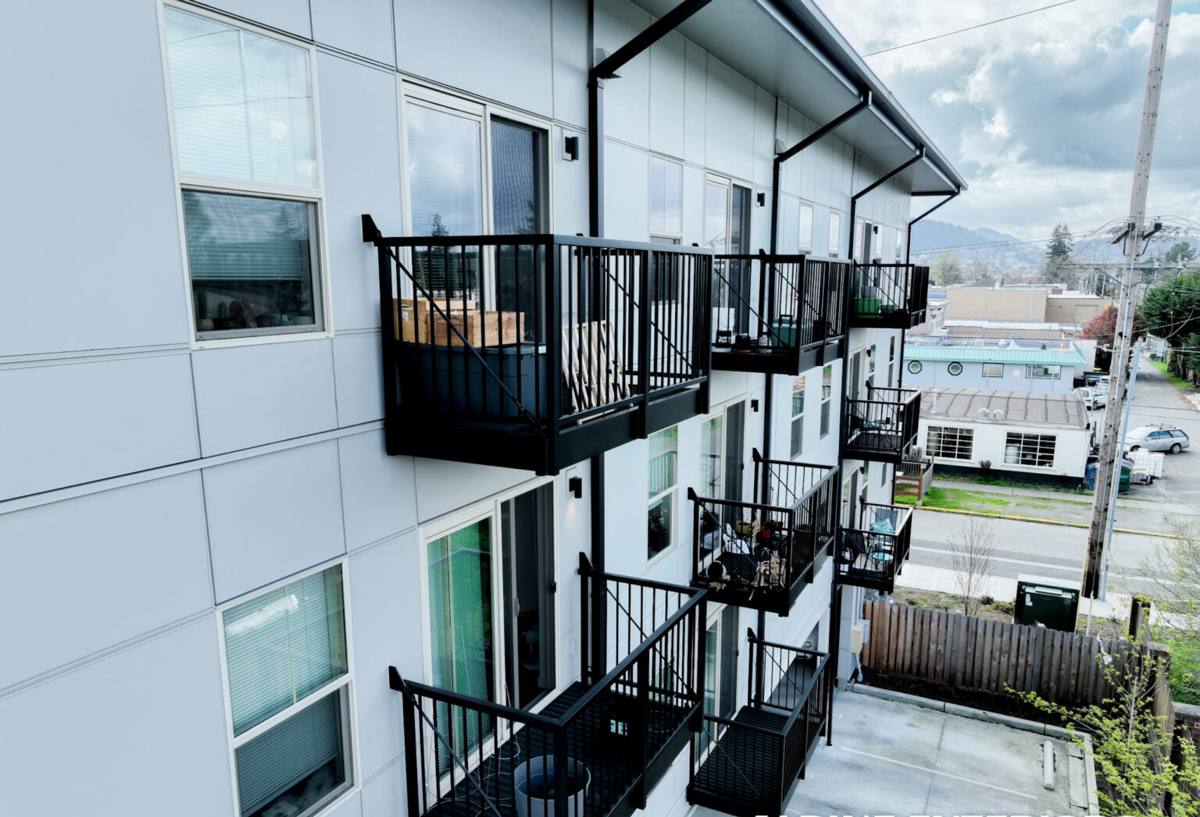
Why Fiber Cement Fits Sunnyland Specifically
Fiber cement siding is a mix of cement, sand, and cellulose fiber, engineered to be dimensionally stable — it doesn't expand and contract with moisture the way wood does, and it doesn't get brittle in cold, damp conditions the way some polymer products can. That stability matters directly for a neighborhood like Sunnyland:
- Salt air resistance: Fiber cement doesn't corrode, and a factory-applied finish resists the pitting and fading that salt exposure causes on lesser coatings.
- Moisture performance: Properly installed fiber cement sheds driving rain and resists the swelling, cupping, and rot that plague wood and wood-composite sidings in a wet climate.
- Moss and mildew resistance: The material itself doesn't feed mold or moss growth the way organic wood fiber can, which matters on Sunnyland's shadier lots.
- Fire resistance: Fiber cement is non-combustible, a meaningful advantage during Washington's increasingly active wildfire smoke seasons, even for homes far from direct fire risk.
We install James Hardie fiber cement siding exclusively — we don't install LP SmartSide, vinyl, Cemplank, Allura, or bare cedar or primed spruce. That's not a marketing line; it's a standard we hold because we've seen how each of those alternatives performs, or underperforms, in exactly the conditions Sunnyland deals with every winter. Hardie's ColorPlus factory finish and HZ5 product engineering are built for the Pacific Northwest, and we'd rather stand behind one system we know well than juggle several we don't.
What a Correct Fiber Cement Job Actually Involves
Fiber cement siding is only as good as its installation. The product itself resists moisture, but the assembly behind it — the weather-resistive barrier, flashing, fastening, and clearances — is what actually keeps water out of the wall. This is where a lot of siding jobs, on any product, go wrong.
The details that matter most in a wet climate
- A continuous, properly lapped weather-resistive barrier behind the siding, with all penetrations (pipes, vents, fixtures) correctly flashed and sealed.
- Rigid or properly detailed flashing above every window, door, and horizontal trim break — the single most common failure point we see on older Bellingham homes.
- Correct fastener type, spacing, and depth per manufacturer specification — over-driven or under-driven nails compromise both the seal and the siding's ability to move slightly with the building.
- Proper clearance from grade, roofing, decks, and other horizontal surfaces so splash-back and standing water don't sit against the bottom edge of the siding.
- Field-cut edges primed and sealed before installation, since raw cut edges are the most vulnerable point on any fiber cement board.
Skip any of these and you can end up with water intrusion behind siding that looks perfect from the curb — a problem that often doesn't surface until rot or mold shows up in a wall cavity years later.
How the Fiber Cement Options Compare
Homeowners in Sunnyland often ask how fiber cement stacks up against other siding they've seen around the neighborhood or priced out elsewhere. Here's an honest comparison based on how each performs in this specific climate, not on price alone.
| Factor | James Hardie Fiber Cement | Vinyl | Wood / LP SmartSide |
|---|---|---|---|
| Moisture resistance | Excellent when installed to spec | Good, but seams and warping are common failure points | Fair to poor — dependent on coating and maintenance |
| Salt air durability | Excellent, factory finish resists pitting | Can become brittle and discolored over time | Vulnerable without diligent recoating |
| Moss / mildew resistance | High — inorganic material | Moderate, but algae can grow in seams and gaps | Low — organic material is a moss food source |
| Fire resistance | Non-combustible | Combustible, can melt or deform | Combustible |
| Maintenance | Occasional wash, repaint only if desired | Low, but cracks and fades are not repairable in place | Regular recoating and caulk maintenance required |
| Typical lifespan installed correctly | 30+ years, with strong warranty backing | 20-30 years, variable | 15-25 years, heavily dependent on maintenance |
Our Process for a Sunnyland Fiber Cement Project
Every fiber cement job we run in Sunnyland follows the same sequence, because skipping steps is how climate problems get built into a wall for the next thirty years.
1. On-site assessment
We walk the exterior looking at existing moisture damage, trim condition, roofline transitions, and how shade and drainage affect each elevation of the house — the north side of a Sunnyland home often needs different attention than the south side.
2. Tear-off and substrate check
We remove existing siding and inspect the sheathing underneath for rot or soft spots before anything new goes up. Covering a compromised substrate with new siding just hides the problem.
3. Weather barrier and flashing
New house wrap or building paper goes on correctly lapped, with all window, door, and penetration flashing installed before a single piece of siding goes up.
4. Hardie installation to manufacturer spec
Boards, panels, or shingles are installed with correct fastening, clearances, and joint treatment, using the HZ5 product line engineered for the Pacific Northwest's moisture exposure.
5. Trim, caulking, and final detail
Trim work and paintable caulk joints are finished last, and we walk the job with the homeowner before calling it done.
Living With Fiber Cement Through a Bellingham Moss Season
One advantage homeowners notice quickly is how much less maintenance fiber cement demands compared to what they're used to. It doesn't need annual recoating, and the ColorPlus factory finish resists the fading that leaves painted wood siding looking tired after a few Bellingham winters. That said, no siding is entirely maintenance-free in a climate this wet:
- An occasional gentle wash removes surface grime and discourages moss from taking hold in shaded areas.
- Keeping gutters clear prevents overflow from running down the face of the siding, which accelerates staining.
- Trimming back vegetation that grows tight against the house improves airflow and drying time after rain.
- Caulk joints should be checked periodically and touched up if they start to crack or pull away.
Why Local Installation Experience Matters
Fiber cement siding performs differently depending on the climate it's installed in, and a crew that primarily works drier regions may not weight flashing, clearance, and drainage details the way a Whatcom County job actually requires. Working regularly in and around Bellingham means we already know how Sunnyland's tree cover, bay-influenced weather, and older housing stock tend to interact with a siding project — where moisture problems typically originate, which elevations need extra flashing attention, and how to sequence a job around this region's rain patterns instead of fighting them.
It also means we're not guessing at code requirements or inspection expectations for Whatcom County jobs, and we're a known, reachable crew if a warranty question or maintenance question comes up years down the road — not a company that moved on to the next region.
What to Ask Any Contractor Before You Sign
Whether you hire us or someone else, these questions separate a properly specified fiber cement job from one that will cause problems in a few wet seasons:
- Will the weather-resistive barrier and flashing be installed to manufacturer and code requirements, not just "as needed"?
- What clearance will the siding have from grade, decks, and roof lines?
- Is the crew factory-trained or certified on James Hardie installation specifically?
- What does the manufacturer's warranty cover, and does it require a certified installer to stay valid?
- How will cut edges be primed and sealed before installation?
- What's the plan if hidden substrate damage is found during tear-off?
If a contractor can't give clear answers to these, that's worth pausing on before committing to a full siding replacement.
If your Sunnyland home's siding is showing its age, or you're planning ahead of a needed replacement, we're happy to walk the property with you and give a straightforward, no-pressure estimate for a James Hardie fiber cement installation built for this climate. Use the form below to get started.