 Bellingham Exterior
 Windows in Ferndale Work Harder Than Windows Almost Anywhere Else
Ferndale sits close enough to the water that salt-laden air is a constant, low-grade attack on anything metal, painted, or poorly sealed. Add Whatcom County's driving rain — the kind that comes in sideways off a west wind, not straight down — and a moss season that can stretch from October into May, and you have a climate that finds every weak point in a window system within a few years, not a few decades. Homes here don't fail because owners neglected them. They fail because the windows weren't specified, flashed, or sealed for this particular combination of moisture, wind-driven rain, and salt exposure in the first place.
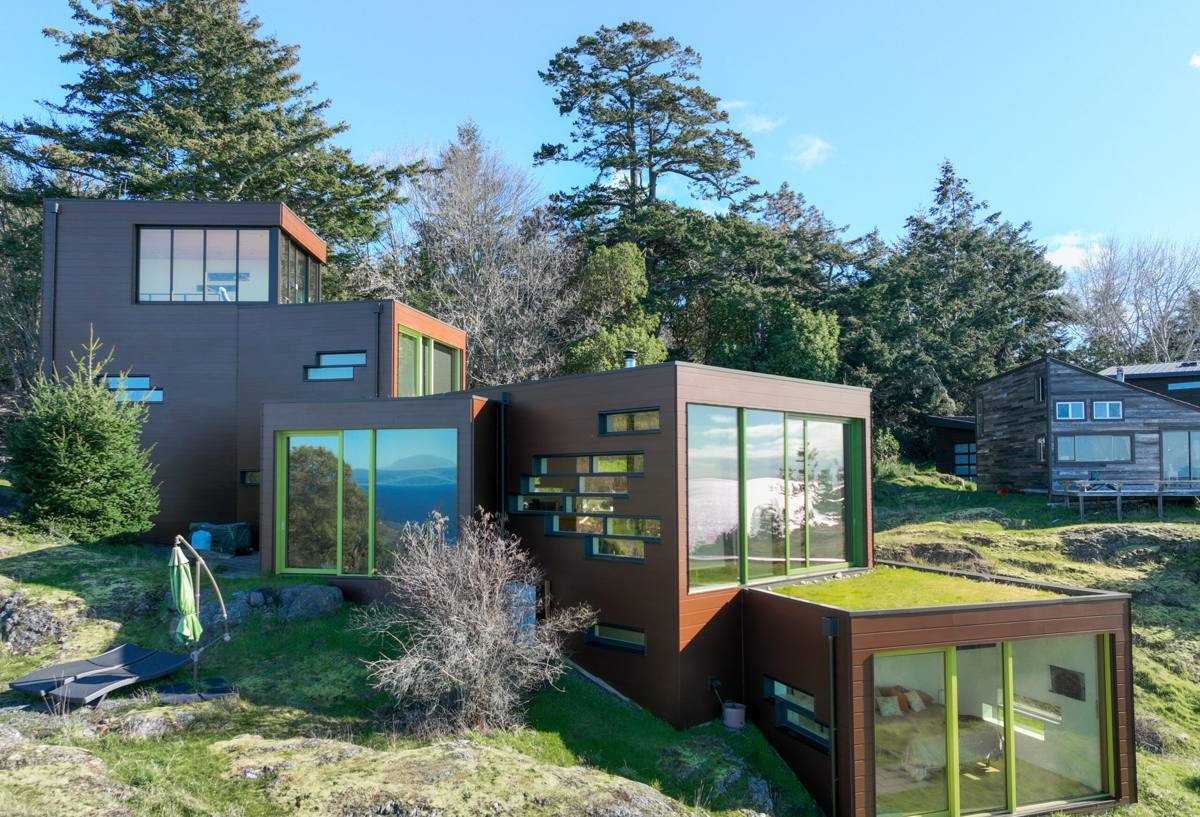
A custom window job in Ferndale isn't about picking a shape or a grid pattern. It's about matching frame material, glazing, and installation detail to a coastal Whatcom County exposure so the window is still sealing tight and operating smoothly ten and twenty years from now, not just on install day.
What "Custom" Actually Means for This Job
"Custom" gets used loosely in this trade, so it's worth being specific. For a Ferndale project it usually covers one or more of the following:
- Non-standard openings — older farmhouses, additions, and remodeled spaces rarely have stock-sized rough openings, so units get built or trimmed to fit rather than forcing the wall to fit a stock window
- Matching sightlines and grid patterns across an existing home so new windows don't look bolted on next to originals
- Upgrading glazing packages (low-E coatings, gas fills, warm-edge spacers) beyond what a builder-grade replacement window ships with
- Choosing frame material specifically for salt and moisture exposure rather than whatever is cheapest at the supply house
- Custom exterior trim and flashing details to shed water on walls that catch the prevailing wind and rain
None of that is exotic. It's just windows specified and installed for the actual site, instead of a generic box swapped for another generic box.
Materials That Hold Up Near the Coast
Frame material matters more here than in a drier, inland climate. Salt air accelerates corrosion on hardware and fasteners, and constant damp cycling stresses any material prone to swelling, rot, or coating failure. Here's how the common options actually perform under Ferndale conditions:
| Material | Coastal/Moisture Performance | Maintenance | Best Fit |
|---|---|---|---|
| Vinyl | Won't rot or corrode; seams and welds matter for long-term water tightness | Low — occasional cleaning | Most standard replacements, budget-conscious upgrades |
| Fiberglass | Excellent — dimensionally stable, resists moisture-driven expansion and contraction | Low | Homes with larger openings or higher wind-load exposure |
| Wood-clad | Good if cladding and flashing are done correctly; interior wood still needs protection from condensation | Moderate — clad exterior is low-care, but seals need periodic inspection | Homes prioritizing interior wood aesthetics |
| Aluminum | Prone to condensation and corrosion in salt air without a thermal break and marine-grade hardware | Higher | Limited use — we're selective about where we'll recommend it here |
We don't refuse to install aluminum outright, but we're honest with clients about the trade-offs: without a thermal break and corrosion-resistant hardware, it's simply not the right match for a property this close to salt air, and we'll say so before you spend the money.
Glazing and Weatherproofing Details
The frame is half the equation. The other half is what's between the panes and how the unit is sealed into the wall:
- Low-E coated glass to manage solar heat gain and reduce winter heat loss
- Warm-edge spacers instead of aluminum spacers, which reduce condensation risk on interior glass edges
- Argon or krypton gas fill between panes for better insulating performance
- Weatherstripping and multi-point locking hardware rated for wind-driven rain, not just still-air conditions
How Water Actually Gets In — And How the Right Install Stops It
Most window failures we see aren't glass failures. They're installation failures — water finding a path around the unit rather than through it. In a climate with driving rain, that path is almost always at the top and sides of the opening, where flashing decisions determine whether water sheds outward or wicks into the wall assembly.
The details that matter most
- Flashing tape and sill pans installed so water is directed out and away from the rough opening, not trapped against the sheathing
- Head flashing that laps correctly with the house wrap or building paper above the window — sequencing matters more than the flashing material itself
- Backer rod and exterior sealant sized and installed correctly, not just a bead of caulk smeared over a gap
- Shimming and fastening that keeps the frame square and the sash operating smoothly under seasonal humidity swings
- Interior air sealing, which is often skipped but is what actually stops condensation and drafts at the frame edge
Skip any one of these steps and the window itself can be excellent quality and still leak, fog, or stick within a few wet seasons. This is the part of the job that doesn't show up in a showroom and doesn't get discussed enough — but it's the part that determines whether the investment lasts.
Moss, Mildew, and What They Tell You About Your Windows
Whatcom County's long moss season doesn't just affect roofs. Sills, exterior trim, and the bottom corners of window frames are prime spots for moss and mildew growth wherever water is lingering instead of draining. If you're noticing green growth or persistent black staining at your window sills or trim, that's usually a sign of a drainage or sealant problem, not just a cosmetic issue to pressure-wash away. It's worth having it looked at before it turns into rot in the surrounding wood trim or sheathing.
Signs It's Time to Replace, Not Repair
Not every window issue means a full replacement. But in a Ferndale property, these signs usually mean the window system itself — not just the glass — has reached the end of its useful service life:
- Visible fogging or moisture between panes (failed seal on double- or triple-pane units)
- Persistent drafts you can feel at the frame edge even with the window fully latched
- Sashes that stick, won't stay open, or are difficult to lock — often swelling from moisture intrusion
- Soft or discolored wood trim around the frame, especially at the bottom corners and sill
- Visible daylight or gaps around the frame from the exterior
- Noticeably colder rooms or higher heating bills compared to similar-sized rooms elsewhere in the house
- Paint or finish failure on the frame itself, not just the surrounding trim
If you're seeing one or two of these, a repair or targeted resealing might be enough. If you're seeing several across multiple windows, that's usually a sign the whole system — frame, seal, and flashing — was never right for the exposure, and patching it will keep costing you.
What Drives the Cost of a Custom Window Job
Every project is different, but the same handful of factors move the price up or down. We'll walk through these specifically for your home during the estimate rather than quoting a number sight unseen.
| Factor | Why It Matters |
|---|---|
| Frame material | Vinyl is typically the most budget-friendly; fiberglass and wood-clad cost more but hold up longer near the coast |
| Opening condition | Rot, out-of-square framing, or hidden water damage found once the old window is out adds labor and material |
| Number and size of openings | Larger or non-standard sizes may require custom-built units rather than stock sizes |
| Glazing package | Upgraded low-E coatings and gas fills add cost but pay back in comfort and energy performance |
| Trim and exterior detailing | Matching existing trim profiles or upgrading flashing details takes more time than a straight swap |
| Access and site conditions | Second-story or hard-to-reach openings require more labor and equipment |
Our Process, Start to Finish
We keep this straightforward because window projects go wrong when steps get skipped, not when they take an extra visit:
- On-site assessment — we look at every opening in person, check for hidden moisture or rot, and take real measurements rather than estimating from photos
- Honest recommendation — we walk you through material and glazing options suited to your home's exposure, with real trade-offs explained, not just a sales pitch for the most expensive option
- Written estimate — clear scope, materials, and pricing before any work starts
- Installation — proper removal, inspection of the opening once the old window is out, correct flashing and sealing sequence, and careful attention to trim and finish work
- Final walkthrough — we test operation, check seals, and make sure you know how to maintain the new windows before we consider the job done
Working Around Occupied Homes
Most of our Ferndale work happens in occupied homes, not new construction. We stage the job to keep openings weathertight overnight, protect interior finishes and flooring during removal and install, and clean up debris and packaging as we go rather than leaving it for a final day.
Why a Crew That Already Works Ferndale Matters
Window installation looks similar on paper everywhere in the country — remove old unit, flash the opening, set new unit, seal, trim. What changes is how much margin for error the local climate allows, and in Whatcom County that margin is small. A crew that primarily works drier, inland climates can install a technically correct window that still fails here because the flashing sequence or sealant choice wasn't built for sustained wind-driven rain and salt exposure.
Working across Bellingham and the surrounding Whatcom County communities day in and day out means we're not guessing at how a given wall assembly, siding type, or trim detail behaves once winter storms roll through. We've seen which shortcuts show up as callbacks two years later, and we build around those lessons on every job, not just the ones where something already went wrong.
Get a Straight Answer About Your Windows
If your windows are fogging, drafting, sticking, or just showing their age, we're happy to take a look and give you an honest read on whether you need repair, resealing, or full replacement — no pressure either way. Use the form below to request a free estimate, and we'll walk your home's specific exposure with you before recommending anything.