 Bellingham Exterior
 Storm Damage Roof Repair Built for Edgemoor's Waterfront Exposure
Edgemoor sits close to Bellingham Bay, and that proximity to open water shapes everything about how a roof ages here. Homes in this neighborhood catch wind off the water, salt-laden air, and long stretches of wet weather that inland Bellingham properties simply don't see in the same combination. When a windstorm rolls through Whatcom County, Edgemoor roofs often take a harder hit than roofs a few miles inland, and the damage isn't always obvious from the ground. We repair storm-damaged roofs on Edgemoor homes regularly, and this page walks through what that work actually involves, what to expect from a proper repair, and why local experience matters when your roof has been through a storm.
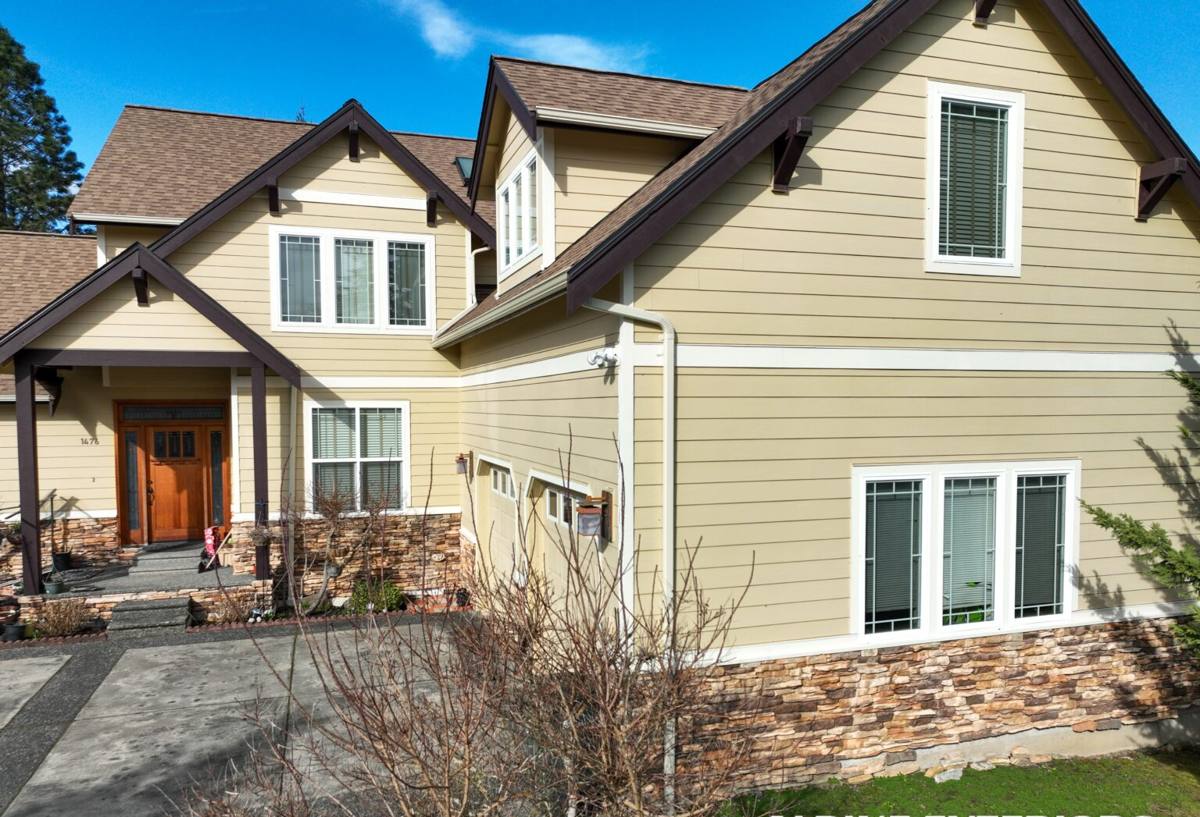
Why Edgemoor Roofs Take a Different Kind of Beating
Three things define roofing conditions in this part of Bellingham: salt air, driving rain, and a moss season that runs longer than most homeowners realize.
Salt Air and Corrosion
Homes closer to the bay are exposed to airborne salt that accelerates corrosion on exposed metal — flashing, fasteners, gutter hardware, and vent caps in particular. Standard galvanized fasteners can start showing rust streaks years before they would on a home further from the water. Once a fastener or flashing seam corrodes, it becomes a point where wind-driven rain can work its way in during the next storm.
Driving Rain and Wind-Driven Water Intrusion
Storms coming off the water don't just drop rain straight down — the wind pushes it sideways and up under shingle edges, into ridge vents, and behind flashing that would hold up fine in a calm rain. This is why a lot of storm damage in Edgemoor shows up as interior water stains days after a storm rather than obvious missing shingles. The water found a gap the wind opened up, and it took time to travel through the roof deck and insulation before it became visible inside.
A Long Moss Season
Bellingham's mild, wet climate keeps moss and algae growing on north-facing and shaded roof slopes for much of the year, and Edgemoor's tree cover adds to that shade. Moss holds moisture against the roofing material long after a storm has passed, which softens shingles, lifts edges, and gives wind a place to grab hold during the next weather event. A roof that already has moss buildup is more vulnerable to storm damage than a clean one, which is why we always check for it during a storm inspection, not just after.
What Actually Counts as Storm Damage
Not every storm-related roof problem looks dramatic. We generally group storm damage into a few categories:
- Wind damage — lifted, creased, or torn-off shingles, especially along ridges, hips, and roof edges where wind uplift is strongest.
- Wind-driven water intrusion — rain forced under shingles, through vent flashing, or around chimney and skylight flashing that wasn't previously a problem.
- Impact damage — bruising or punctures from falling branches or debris, common under Edgemoor's mature tree canopy.
- Flashing failure — corroded or displaced flashing at valleys, walls, and penetrations that gets worse with each storm cycle rather than staying static.
- Moss-related softening — shingle edges that lift or granules that wash away faster in areas where moss has been sitting on the roof.
Some of these are easy to spot from the ground with binoculars. Others — especially flashing and underlayment issues — only show up on the roof itself, which is one reason a phone estimate or a photo from the driveway isn't enough to scope a storm repair properly.
What a Correct Storm Damage Repair Actually Involves
A storm repair done right isn't just swapping out the shingles that are obviously missing. It has to answer a bigger question: did water get past the surface layer, and if so, how far did it travel?
Full Inspection Before Any Repair Estimate
We walk the roof, not just look at it from the ground. That means checking the decking for soft spots, examining flashing at every penetration, and looking at the underlayment condition anywhere shingles were disturbed. On an Edgemoor roof, we also pay close attention to fastener and flashing corrosion, since salt exposure can make metal components fail well before the shingles themselves are due for replacement.
Matching Materials, Not Just Patching
Storm repairs need to match the existing roofing material in profile, color, and — where possible — age-appropriate wear, so the repair doesn't stand out as an obvious patch and doesn't create a mismatched water-shedding path. Mixing incompatible materials or fastening methods at a repair seam is a common source of the "same leak, different spot" problem homeowners run into with rushed post-storm patch jobs.
Decking and Underlayment First
If water reached the roof deck, that gets addressed before any new shingles go down. Laying new shingles over a compromised deck or saturated underlayment just hides the problem until it reappears, usually in a worse spot, during the next storm.
Our Process From Call to Closed-Up Roof
- Initial contact and scheduling — we get a rough description of the damage and timing, and prioritize active leaks.
- On-roof inspection — a physical walk of the roof surface, not just a ground-level look, documenting every area of concern.
- Written scope and estimate — a clear explanation of what's damaged, what needs repair versus what can wait, and an honest cost range.
- Temporary protection if needed — for active leaks or exposed decking, we can get the area weather-tight quickly while the full repair is scheduled.
- Repair work — decking, underlayment, flashing, and roofing material addressed in that order, matched to the existing roof.
- Final check — we walk the repair with you and confirm the area is fully sealed and matched before calling it done.
Repair vs. Replace — How We Help You Decide
Storm damage doesn't automatically mean a full roof replacement, but sometimes a storm is what finally reveals that a roof was already near the end of its useful life. Here's how we think through that decision with homeowners:
| Factor | Leans Toward Repair | Leans Toward Replacement |
|---|---|---|
| Roof age | Under roughly two-thirds of expected lifespan | Already near or past expected service life |
| Extent of damage | Isolated to one section or slope | Widespread across multiple slopes |
| Decking condition | Solid, no rot found | Soft or delaminated decking in multiple areas |
| Prior moss/algae history | Minor, recently treated | Long-term buildup with underlying shingle degradation |
| Material availability | Matching material still produced | Discontinued profile or color, poor match likely |
We'll always tell you honestly when a repair makes sense versus when you'd be spending money to patch a roof that has bigger problems underneath. That honesty matters more on an older Edgemoor home where the roof may have taken cumulative salt-air wear for years before this particular storm.
Materials We Use and Why They Suit This Climate
For storm repairs and replacements in salt-air, high-moisture conditions like Edgemoor's, we lean toward materials and fasteners with proven corrosion resistance and a track record in marine-influenced climates — stainless or coated fasteners at exposed locations, properly sealed flashing systems, and shingle or metal roofing products rated for the wind and moisture exposure this area actually sees. We avoid cutting corners on flashing details in particular, since that's where most storm-related leaks originate, not in the field of the roof itself. Our standard is to install flashing and fastening systems that will hold up through repeated storm cycles, not just pass inspection on installation day.
Working With Insurance on a Storm Claim
If your storm damage is significant enough to involve a homeowner's insurance claim, documentation matters. We can provide a written inspection report and photos of the damage that you can submit alongside your claim. We're not insurance adjusters and don't represent the insurance company — our job is to give you an accurate, honest account of what the roof needs, which is the same report whether or not a claim is involved. Keep in mind that claim processes and coverage terms vary by policy, so any questions about what's covered should go to your insurance provider or agent directly.
Reducing Storm Damage Risk Before the Next One Hits
A lot of storm damage is made worse by conditions that were already present before the wind picked up. A few things Edgemoor homeowners can do between storms:
- Have moss and algae growth treated and removed on shaded or north-facing slopes before it softens shingle edges.
- Keep gutters clear so wind-driven rain has somewhere to go instead of backing up under the roof edge.
- Trim back tree limbs that overhang the roof, especially any that could become a wind-thrown branch during a storm.
- Check flashing and fastener condition periodically, particularly on homes with more direct exposure to the bay.
- Address minor leaks or lifted shingles promptly rather than waiting for the next storm to make them worse.
Why It Matters to Hire a Crew That Already Works Edgemoor
A roofing crew that already works Edgemoor and the wider Bellingham area knows what a healthy roof looks like in this climate versus one that's been quietly degraded by salt air and moss over several seasons. That context changes how we scope a storm repair — we're not guessing at what's normal wear versus storm damage, because we've seen the pattern on other roofs in this neighborhood and in similar waterfront conditions elsewhere in Whatcom County. It also means faster response after a storm, since we're not driving in from outside the area when demand for roofers spikes right after a windstorm.
If your Edgemoor roof has been through a recent storm, or you noticed a leak, missing shingles, or water staining after a windy night, we're glad to take a look and give you a straightforward, no-pressure estimate. Use the form below to get in touch and we'll schedule a roof inspection.