 Bellingham Exterior
 Roofing in Fairhaven's Marine Environment
Fairhaven sits close enough to Bellingham Bay that its homes take on a different kind of weathering than houses further inland in Whatcom County. Salt-laden air moves through the neighborhood off the water, driving rain comes in sideways during fall and winter storms, and the tree cover that gives Fairhaven its character also means shade, moisture retention, and a long moss season that can run from October through May. None of this is exotic — it's just the normal cost of living near the water in the Pacific Northwest. But it does mean a roof here works harder than a roof in a drier, more exposed part of the county, and it should be built and replaced with that in mind.
A roof replacement done without accounting for the local conditions might look fine for a year or two, then start showing problems: soft spots where moss has held moisture against the deck, corroded fasteners, or granule loss on shaded slopes that never fully dry out between rains. This page walks through what a correct roof replacement looks like for a Fairhaven home, what our process actually involves, and why local experience matters more here than it might in a less demanding climate.
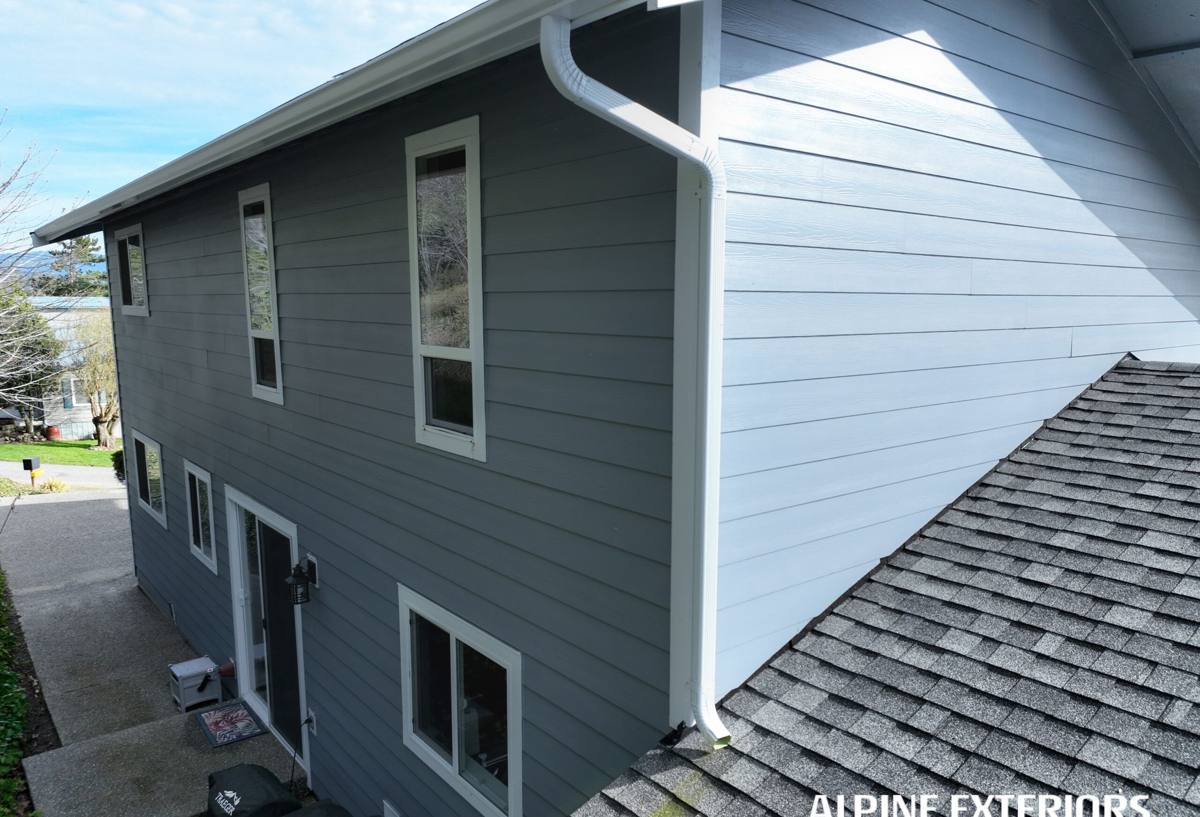
What Fairhaven's Climate Does to a Roof Over Time
Salt Air and Metal Components
Homes within a mile or so of Bellingham Bay see accelerated corrosion on exposed metal — flashing, fasteners, vent caps, and gutter hardware. Standard galvanized fasteners can start to show rust streaks years before they would inland. This is why material selection and fastener grade matter more in Fairhaven than in a lot of other Whatcom County neighborhoods.
Driving Rain and Wind-Driven Water
Storms coming off the water don't just fall straight down — they push rain sideways into eaves, valleys, and wall-roof intersections. A roof system that relies only on shingle overlap without proper underlayment and flashing detail can let water find its way under the surface during a hard blow, even if the roof looks intact from the ground.
Shade, Moss, and Moisture Retention
Mature trees are part of what makes Fairhaven a nice place to live, but they also mean roof sections that stay shaded and damp long after the rest of the neighborhood has dried out. Moss doesn't just sit on top of shingles — its root structure holds water against the surface and can lift shingle edges over time, which is how small moss patches turn into leaks a few seasons later.
Temperature Swings and Material Fatigue
Bellingham's climate isn't extreme, but the repeated cycle of wet, cool nights and milder days causes roofing materials to expand and contract. Over 20-30 years, that cycling is part of what ages asphalt shingles, dries out sealant, and loosens fasteners — it's a slow process, but it's constant.
Signs a Fairhaven Roof Needs Replacement, Not Another Repair
- Granule buildup in gutters or downspouts, especially after a storm — a sign the shingle surface is wearing thin
- Moss or algae streaking that comes back within a season or two of cleaning, especially on north-facing or shaded slopes
- Soft or spongy spots when walked, which usually means the deck underneath has taken on moisture
- Daylight visible through the attic roof boards, or damp insulation near the eaves
- Curling, cupping, or cracked shingles, particularly on slopes that get the most sun and wind exposure
- Rusted or lifting flashing around chimneys, skylights, and roof-wall intersections
- A roof approaching or past 20-25 years old (asphalt) with more than one or two recent repairs
- Visible sagging along the roofline, which can indicate structural moisture damage and should be evaluated promptly
One or two of these on their own might just mean a repair. Several at once, or any structural sign like sagging or a soft deck, usually means it's time to talk about full replacement rather than patching the same problem year after year.
What a Correct Roof Replacement Involves
A roof replacement is more than pulling off old shingles and nailing down new ones. In a marine, high-moss environment like Fairhaven, the details underneath the visible surface matter as much as the shingle brand on top.
Tear-Off and Deck Inspection
We remove the existing roofing down to the deck so it can actually be inspected — you can't tell what's happening underneath from the surface. Any water-damaged or rotted decking gets identified and replaced before anything new goes down. Covering a compromised deck with new shingles just hides the problem.
Underlayment Built for Wet Climates
We use synthetic or self-adhered underlayment appropriate for a wet, wind-exposed climate, with extra attention paid to eaves, valleys, and any area prone to ice or wind-driven rain. This layer is the backup system that protects the home if wind ever drives water past the shingles themselves.
Flashing at Every Vulnerable Point
Chimneys, skylights, roof-to-wall transitions, and valleys are where most roof leaks actually originate — not the open field of shingles. We install new flashing at these points rather than reusing old, potentially corroded pieces, particularly given how salt air accelerates metal wear in this part of Bellingham.
Ventilation That Matches the Home
Proper intake and exhaust ventilation keeps the attic space dry and temperature-balanced, which reduces condensation buildup and helps shingles last their full service life. In a shaded, moisture-heavy neighborhood like Fairhaven, ventilation is not a detail to skip — it directly affects how long the new roof performs.
Fastening and Fastener Grade
Given the salt air exposure, we pay attention to fastener quality and correct nailing patterns per manufacturer specification. Under-driven, over-driven, or improperly placed nails are one of the most common causes of early shingle failure, and it's a detail that's easy to rush and hard to spot once the roof is finished.
Cleanup and Final Walkthrough
We clear the property of old materials and debris, run a magnetic sweep for stray nails, and walk the finished roof with the homeowner to review the work before calling the job complete.
Choosing a Roofing System for a Fairhaven Home
There isn't one "correct" roofing material for every Fairhaven home — it depends on the house's exposure, roof pitch, budget, and how much moss and moisture management the homeowner wants to deal with long-term. Here's how the common options compare for this specific climate:
| Material | Moss/Moisture Resistance | Salt Air Durability | Typical Lifespan | Notes for Fairhaven |
|---|---|---|---|---|
| Architectural Asphalt Shingle | Good with proper ventilation; algae-resistant granules recommended | Good, with corrosion-resistant fasteners and flashing | 25-30 years | Most common choice; good value, wide color range |
| Standing Seam Metal | Excellent — moss struggles to hold on smooth vertical panels | Requires marine-grade coatings/fasteners near the bay | 40-50+ years | Higher upfront cost, sheds moss and rain well on steeper pitches |
| Composite/Synthetic Shake | Good, less prone to moisture wicking than wood shake | Good with correct fastener spec | 30-40 years | Good option for homes wanting a shake look without wood's moisture upkeep |
| Cedar Shake | Requires regular maintenance to manage moss and moisture retention | Fair; needs diligent upkeep near salt air | 20-30 years with upkeep | Traditional look, but the highest ongoing maintenance burden in this climate |
We'll walk through these trade-offs honestly during your estimate — the right choice depends on your roof's shade exposure, how much maintenance you want to take on, and your budget, not just what looks best.
Our Process, Start to Finish
- On-site inspection: We walk the roof and attic in person, check the deck condition, ventilation, and flashing points, and take photos of anything worth discussing.
- Written estimate: You get a clear, itemized estimate — materials, labor, and scope — with no vague allowances or surprise add-ons sprung on you mid-project.
- Material selection: We go over the options that fit your home and budget, including how each performs against moss and salt air specifically.
- Scheduling around Bellingham weather: Roof tear-offs need a dry window, so we plan around the forecast rather than starting a job we can't protect from rain.
- Tear-off and deck repair: Old roofing comes off, the deck is inspected, and any damaged sections are replaced before new roofing goes down.
- Installation: Underlayment, flashing, ventilation, and roofing material are installed to manufacturer specification, with attention to the details that matter most in this climate.
- Final walkthrough and cleanup: We review the finished roof with you, answer questions, and make sure the property is left clean.
Why Local Fairhaven Experience Matters
A roofing crew that regularly works in Fairhaven and along the Bellingham waterfront has already seen how salt exposure, tree cover, and driving rain interact on real roofs in this exact neighborhood — not just in a general sense, but on the specific mix of home styles and lot conditions you'll find here. That translates into knowing which fastener grades hold up, which flashing details actually stop wind-driven water, and which slopes need extra ventilation because of shade. It also means a crew that understands how to schedule around Whatcom County's wet season instead of gambling on a dry stretch that doesn't materialize.
Roofing crews unfamiliar with marine climates sometimes apply the same install standards they'd use in a drier region — which can mean under-speccing fasteners or skipping extra underlayment at vulnerable points. Those shortcuts might not show up as a leak for a year or two, which is part of why they're easy to miss until the damage is already done.
Maintaining Your New Roof in Fairhaven's Climate
- Have gutters and downspouts cleared at least twice a year — clogged gutters back water up under the shingle edge
- Trim back tree limbs that shade the roof surface where practical, to reduce moss growth and let sections dry faster
- Have moss treated or gently removed before it spreads, rather than waiting until it's visible from the street
- Schedule a roof check after major windstorms, which are common along the Bellingham waterfront in fall and winter
- Keep an eye on attic ventilation — blocked soffit or ridge vents reduce airflow and shorten shingle life
- Address small flashing or sealant issues right away; they're inexpensive fixes now and expensive leaks later
Get a Straight Answer About Your Roof
If you're not sure whether your Fairhaven home needs a full roof replacement or just a repair, the best next step is an honest, no-pressure look at what's actually happening on your roof and in your attic. We'll tell you what we find, what your real options are, and what it would cost — no upsell, no scare tactics. Request a free estimate using the form below and we'll get you scheduled.