 Bellingham Exterior
 Custom Windows Built for Puget's Waterfront Climate
Homes in the Puget area of Bellingham sit close enough to the water that windows take a different kind of beating than they would a few miles inland. Salt-laden air off Bellingham Bay works on metal hardware and unprotected wood trim year-round. Wind-driven rain comes in sideways off the water during fall and winter storms, testing every seal and flashing detail around a window opening. And the long stretch of gray, damp months between October and April means moss, algae, and general moisture exposure are constants, not occasional problems. A window that's a fine fit for a dry inland lot can underperform here within a few years if it wasn't specified and installed with this exposure in mind.
We work on homes throughout Puget and the surrounding Bellingham neighborhoods, and we've seen what actually fails first in this environment: swollen wood sashes that won't latch, corroded aluminum hardware, fogged double-pane glass from failed seals, and stucco or siding around window openings that's held moisture against the frame for years without anyone noticing until trim started to soften. Custom window work here isn't about picking a style off a shelf — it's about matching the window, the flashing, and the installation detail to a house that's going to face salt air and driving rain for the next twenty-plus years.
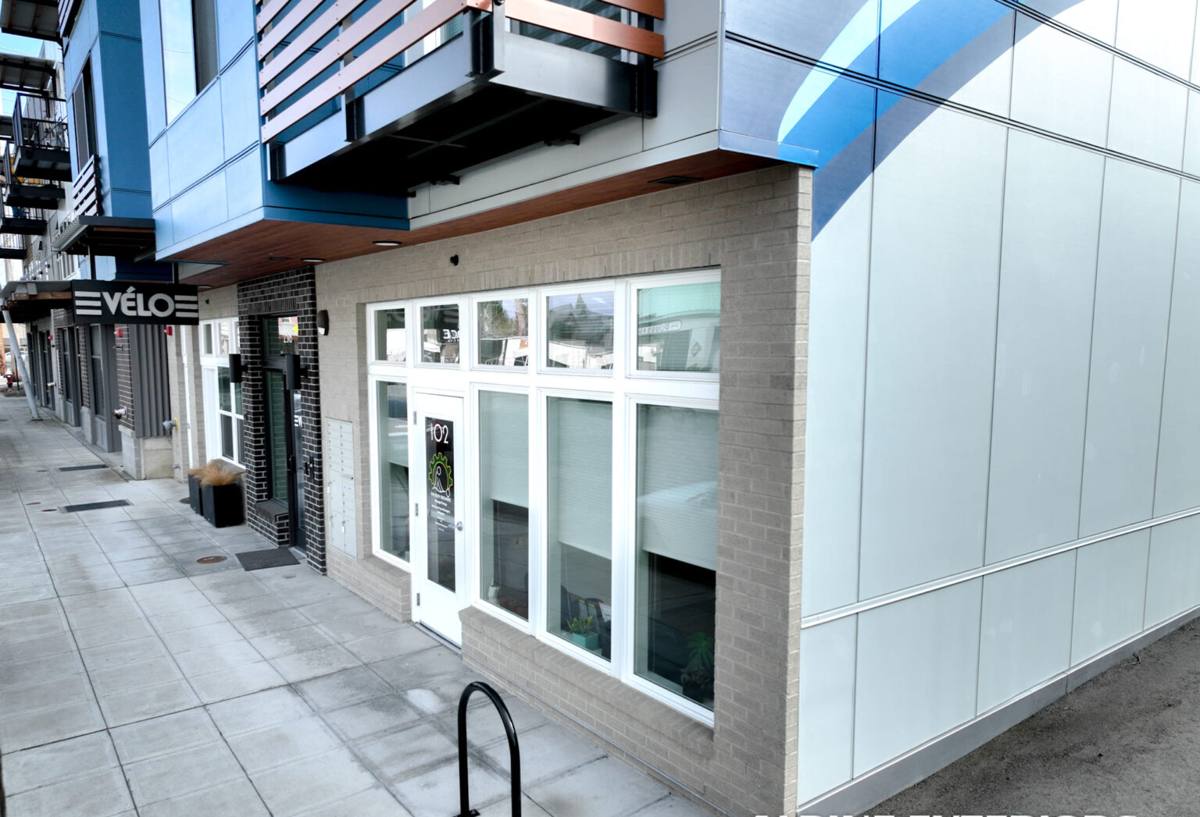
What "Custom" Actually Means for a Puget Home
Custom windows aren't just about unusual shapes or oversized openings, though that's part of it. In practice, custom work covers any window that isn't a straightforward off-the-shelf swap into an existing standard opening. That includes:
- Older Puget-area homes with non-standard rough openings that predate current window sizing standards
- Bay, bow, or picture windows sized to a specific wall and view
- Replacing failed original wood windows with a frame material better suited to marine air exposure
- Matching window profiles across an addition or remodel so old and new sightlines line up
- Openings where the original flashing or sheathing needs correction, not just a like-for-like window swap
The common thread is that each of these requires measuring, ordering, and installing to the specific opening and condition of that house — not pulling a stock size out of a warehouse and hoping it's close enough.
Frame Materials and Coastal Exposure
Material choice matters more here than it does thirty miles inland. Vinyl handles salt air well and needs the least upkeep, which is why it's the most common choice we install in Puget. Fiberglass costs more but resists expansion and contraction better across our wet winters and drier summer stretches, and it holds paint if you want a custom color. Wood-clad windows can look excellent, but any exposed wood on a home this close to the water needs a maintenance commitment — caulking, painting, and checking end grain — that a lot of homeowners underestimate until the first sash starts to swell. We'll tell you honestly which material fits your house, your budget, and how much upkeep you actually want to do, rather than pushing whatever's easiest for us to install.
The Installation Details That Matter Most Here
A window is only as good as the opening it sits in. In a driving-rain climate, the flashing and sealing details around the window do more work over the life of the installation than the glass or the frame brand. We pay particular attention to:
- Sill pan flashing — a sloped, sealed pan under every window that directs any water that gets past the window itself back outside, instead of into the wall cavity
- Window flange integration with the water-resistive barrier — shingled correctly (top piece over side pieces, side pieces over the pan) so water always sheds down and out
- Head flashing above the window — critical on walls that take direct wind-driven rain, which is most west and south-facing walls in Puget
- Sealant selection — the right exterior-grade sealant at the right joints, not caulk everywhere as a substitute for proper flashing
- Checking the sheathing and framing before the new window goes in, since a swap job on an older home sometimes uncovers soft sheathing or old moisture damage that needs to be addressed first
Skipping any of these doesn't show up as a problem on day one. It shows up two or three winters later as a soft spot in the drywall below the window or a musty smell in a wall cavity — by which point the fix is bigger and more expensive than it would have been at install.
Signs a Puget Home's Windows Need Attention
Because moisture damage in this climate is gradual, homeowners often live with early warning signs for a while before calling anyone. Worth checking for:
| Sign | What it usually means |
|---|---|
| Fogging or haze between panes of glass | Seal failure in the insulated glass unit — not repairable, glass or full unit needs replacement |
| Sash sticks or won't latch fully | Wood swelling from moisture intrusion, or frame settling |
| Soft or discolored trim/siding at the sill | Water is getting behind the window and not draining out — a flashing issue, not just a cosmetic one |
| Visible corrosion on hardware or frame | Salt air exposure on hardware not rated for coastal use |
| Moss or dark streaking below the window | Chronic moisture running down the wall from the window head or sill |
| Noticeable draft or cold spot near the frame | Failed weatherstripping or a gap in the original installation |
Any one of these on its own might be minor. Several together, especially on a wall that takes direct weather, usually means it's worth having someone look at the whole opening rather than just the glass.
Our Process for a Puget Window Project
1. On-Site Assessment
We start by looking at the actual openings — not just measuring for new windows, but checking the condition of the existing flashing, sheathing, and trim. On a coastal property this step matters more than usual, since hidden moisture issues are common enough that we'd rather find them before ordering material than after.
2. Material and Product Selection
We walk through frame material, glass package, and hardware options based on which wall we're working on (a west-facing wall catching driving rain off the bay gets different priorities than a sheltered side yard), your budget, and how much long-term maintenance you want to take on.
3. Precise Measurement and Ordering
Custom openings get measured to the actual as-built dimensions, not assumed standard sizes. This is where most of the "custom" work happens — getting the order right the first time so the window fits the opening instead of the opening getting reworked to fit a stock window.
4. Removal and Opening Prep
Old windows come out carefully to avoid unnecessary damage to surrounding siding or trim. If we find soft sheathing or old water damage, we address it before anything new goes in — installing a new window into a compromised opening just repeats the problem.
5. Flashing and Installation
Sill pan, flashing sequence, and sealant go in following the details above, then the window itself, shimmed and fastened per manufacturer spec so it operates correctly and doesn't stress the frame.
6. Interior and Exterior Finish
Trim, caulking, and touch-up paint or siding repair to match the surrounding wall, so the finished opening looks intentional, not patched.
Cost Factors for Custom Window Work
Every project is different, but the main things that move the price on a Puget-area job are consistent:
| Factor | Why it affects cost |
|---|---|
| Frame material (vinyl vs. fiberglass vs. wood-clad) | Material and hardware cost, plus long-term maintenance trade-off |
| Opening condition | Hidden rot or soft sheathing found during removal adds repair work before the new window goes in |
| Number and size of windows | Larger openings, bay/bow configurations, and multi-window jobs scale material and labor |
| Glass package | Upgraded low-E coatings or gas fill for energy performance and condensation control |
| Exterior finish work | Matching existing trim, siding, or stucco around the new opening |
| Access and site conditions | Second-story or hard-to-reach windows take more time and scaffolding/ladder setup |
Why Hire a Crew That Already Works in Puget
Window installation looks similar everywhere on the surface, but the details that keep a house dry over time are specific to what that house actually faces. A crew that mostly works dry inland subdivisions may not default to sill pan flashing on every job, or may not think twice about hardware corrosion resistance, because it's never been the deciding factor on their other projects. Working regularly in Bellingham's waterfront neighborhoods means we've already seen which details matter here and which shortcuts cause callbacks two winters later. That's not a knock on other contractors — it's just a different set of conditions, and Whatcom County's coastal exposure rewards experience with it specifically.
What a Correct Job Looks Like When It's Done
A properly installed custom window in Puget should operate smoothly without sticking, seal tight enough that you don't feel a draft standing next to it on a windy day, and show no water staining on interior trim or exterior siding after its first full wet season. Hardware should still turn freely a few years in, not seize up from corrosion. If any of those things aren't true on a recent installation, it's worth having it looked at — problems at the flashing level rarely get better on their own.
Ready to Talk About Your Windows?
If you're dealing with drafty, foggy, or water-stained windows in the Puget area, or planning a custom window project as part of a larger remodel, we're happy to take a look and give you an honest read on what your home needs. Reach out for a free, no-pressure estimate — we'll assess your specific openings and exposure before recommending anything.