 Bellingham Exterior
 Why Siding Wears Differently on a York Home
York is one of Bellingham's older, established neighborhoods, and that means its housing stock has already lived through decades of Pacific Northwest weather. Whatcom County sits close enough to Bellingham Bay that homes throughout the city deal with a steady mix of salt-tinged air, wind-driven rain, and the kind of persistent shade and dampness that keeps moss and algae active nearly year-round. None of that is exotic or rare here — it's just the baseline. But it means siding on a York home isn't only cosmetic. It's the layer standing between a wood-framed structure and moisture that rarely lets up.
Older siding materials that were adequate when a home was built are often the first thing to show their age in a climate like this. Paint that used to last eight years starts needing attention every three or four. Caulk joints that once sealed tight open up as wood siding swells and shrinks through repeated wet-dry cycles. And on north-facing walls or under mature trees, green-black staining creeps back within a season or two of cleaning. None of this means a home was poorly built — it means the siding itself has reached the point where maintenance can no longer keep up with the climate.
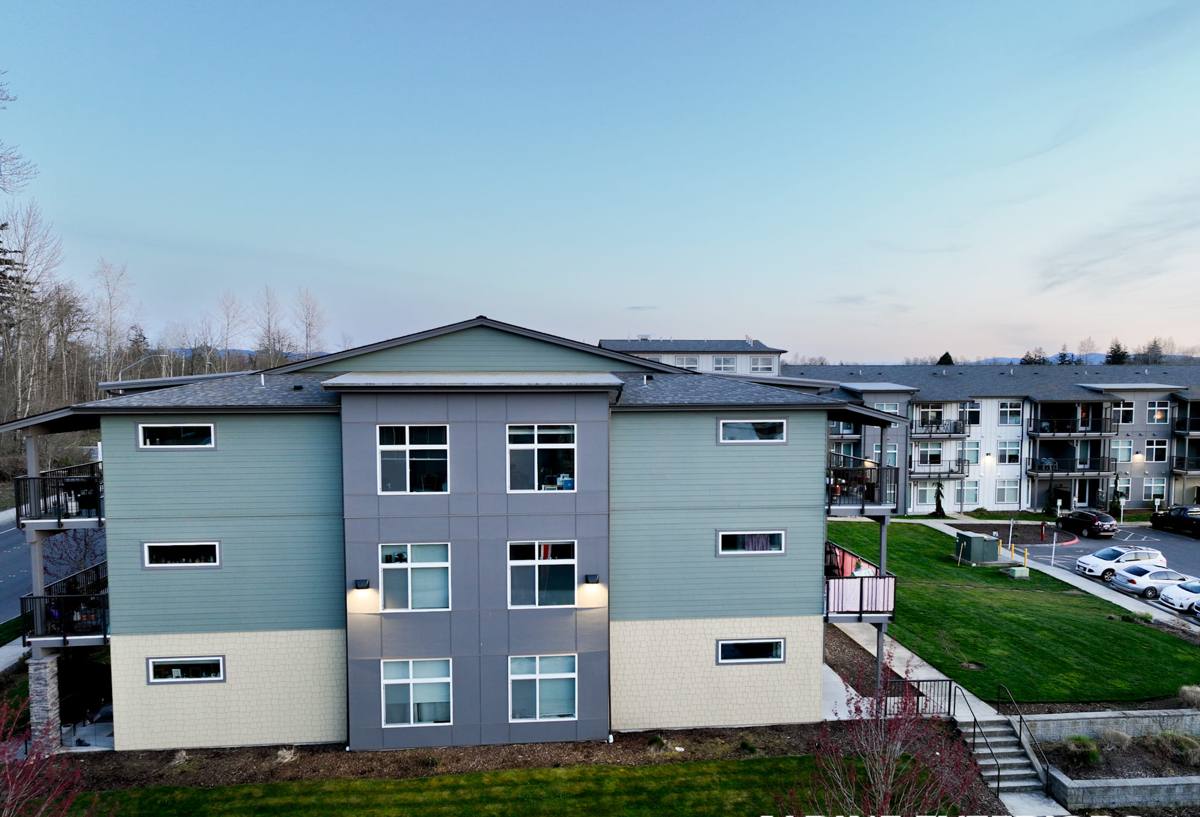
Signs a York Home Needs Siding Replacement, Not Another Repair
Homeowners in this neighborhood usually come to us after trying to patch or paint their way past a problem that's actually structural. A few signs consistently mean it's time to stop patching:
- Soft or spongy spots when you press on the siding, especially near the bottom courses or around window trim
- Paint that bubbles or peels within a year or two of a fresh coat, which usually points to moisture trapped behind the siding, not a painting problem
- Visible warping, cupping, or separated seams on wood or engineered wood panels
- Moss or algae that returns heavily within weeks of cleaning, particularly on shaded or north-facing walls
- Gaps opening up around windows, doors, or corner trim where caulk keeps failing
- A musty smell in an adjacent interior wall or a rise in energy bills with no other explanation
Any one of these can sometimes be handled with a repair. Two or three at once, especially on a home that's due for its siding to be replaced anyway based on age, usually means the smarter move is a full replacement rather than continuing to chase individual problem areas.
What a Correct Siding Replacement Actually Involves
Tear-Off and What's Underneath
A proper job starts with full removal of the old siding, not an overlay. Overlaying new siding on top of failing material traps moisture against the sheathing and just delays the same problem. Once the old siding is off, we inspect the sheathing and framing underneath for rot, soft spots, or prior water damage — this is often the first real look anyone has had at that wall assembly in decades, and it's the point where hidden problems get caught before they're sealed back up behind new siding.
Weather-Resistive Barrier and Flashing
In a climate that gets driving rain off the water, the housewrap and flashing details matter as much as the siding itself. Every window, door, and penetration needs flashing that sheds water outward and down, not into the wall cavity. This is the step that gets rushed on lower-quality jobs and is almost always the root cause when a homeowner has water damage behind siding that looked fine from the outside.
Installation to Manufacturer Specification
Fiber cement siding has specific nailing patterns, clearances, and joint treatment requirements. Installing it off-spec — wrong fastener spacing, siding butted too tight to trim, insufficient clearance at grade — is one of the most common ways a good product performs poorly. It's also the difference between a manufacturer's warranty actually being honored and being voided by installation error.
Why We Install Only James Hardie Fiber Cement
We install one siding system: James Hardie fiber cement. We made that call after years of comparing how different materials actually hold up in Whatcom County conditions, not just how they perform in a showroom.
Built for This Climate
Hardie's HZ5 product line is engineered specifically for climates with significant moisture exposure and freeze-thaw cycling — which describes Bellingham well. Fiber cement doesn't absorb water the way wood-based products can, and it won't rot, delaminate, or feed the kind of moss and algae growth that thrives on organic siding materials during a long, damp season.
Non-Combustible and Factory-Finished
Hardie siding is non-combustible, which matters increasingly across Washington. It also comes with a factory-applied ColorPlus finish, baked on under controlled conditions rather than field-painted, which holds color and resists fading and chipping far better than site-applied paint on wood or engineered wood siding.
A Warranty Backed by the Manufacturer
James Hardie backs its siding with a substantial, transferable limited warranty. That matters to homeowners planning to sell — a documented, transferable warranty is a real selling point, not just paperwork.
How Common Siding Materials Compare in Bellingham's Climate
| Material | Moisture Resistance | Moss/Algae Resistance | Fire Rating | Typical Maintenance |
|---|---|---|---|---|
| James Hardie Fiber Cement | Excellent — won't rot or absorb water | Strong resistance; factory finish sheds growth | Non-combustible | Occasional rinse; no repainting for years |
| Vinyl Siding | Sheds surface water but seams can trap moisture behind panels | Moderate; growth clings to textured surfaces | Combustible; can warp near heat sources | Low, but panels crack and fade over time |
| Wood or Cedar | Poor without diligent upkeep; absorbs and swells | Low; organic surface feeds growth | Combustible | Frequent repainting/staining and caulking |
| Engineered Wood (LP-type) | Moderate; vulnerable at cut edges and seams if not sealed | Moderate | Combustible | Regular inspection of seams and edges |
Every material on that list has legitimate uses somewhere. In a marine climate with this much sustained moisture and shade, we've found fiber cement is consistently the one that holds up with the least ongoing intervention from the homeowner.
Our Process for a York Siding Replacement
- On-site assessment of your current siding, trim, and any visible moisture damage
- Written estimate covering full tear-off, sheathing repair allowance if needed, and Hardie product selection
- Scheduling that accounts for Bellingham's wetter months, since siding work goes faster and safer in drier stretches
- Full removal of old siding and inspection of sheathing and framing before anything new goes up
- Installation of housewrap, flashing, and Hardie siding to manufacturer specification
- Final walkthrough so you can see the completed work and ask questions before we consider the job done
Because we work throughout Bellingham and the surrounding neighborhoods regularly, we're familiar with the kind of homes common to York — the mix of older construction and newer infill — and we don't need a learning curve to figure out how a given wall assembly was built.
What Drives the Cost of a Siding Replacement
Every home is different, but a few factors consistently move the price of a siding replacement up or down:
| Factor | Why It Matters |
|---|---|
| Home size and wall complexity | More square footage and more corners, gables, and trim details mean more labor and material |
| Condition of the sheathing underneath | Rot or damage discovered during tear-off adds repair scope before new siding can go on |
| Siding profile and finish chosen | Lap width, shingle-style panels, and trim options carry different material costs |
| Number of stories and access | Second-story and hard-to-access walls take longer and require more scaffolding or lift work |
| Trim and detail work | Window and door trim, corner boards, and fascia replacement add scope beyond flat wall siding |
We don't publish a flat per-square-foot number because the honest answer depends on what we find once tear-off starts. What we can promise is a written estimate that spells out exactly what's included before any work begins.
What to Look for in a Contractor Doing This Work in York
- Proof of licensing and insurance specific to Washington state, not just a business card
- Experience installing fiber cement siding to manufacturer specification, not just familiarity with siding in general
- A written estimate that details tear-off, sheathing inspection, flashing work, and material — not a single lump-sum number
- Willingness to explain what they found once old siding comes off, before covering it back up
- Clear communication about weather-dependent scheduling, since rain delays are a normal part of building here, not a red flag
- A manufacturer warranty that stays valid because the installation was done to spec
Caring for Your New Siding After Installation
One of the practical benefits of switching to fiber cement is how little ongoing care it needs compared to wood or engineered wood siding. A rinse with a garden hose once or twice a year is usually enough to keep moss and grime from building up, especially on shaded walls. Because the ColorPlus finish is baked on at the factory, you're not on a repainting schedule the way you would be with site-painted siding. Keeping gutters clear and vegetation trimmed back from the walls goes a long way toward keeping any siding material performing well in a climate this wet, and Hardie siding gives you a much wider margin for error than materials that depend on an intact paint layer to stay protected.
If you're weighing a siding replacement for a home in York, we're happy to take a look and walk you through what we find — no pressure, no obligation. Reach out for a free estimate using the form below.