 Bellingham Exterior
 Why Composite Decking Fits Barkley Homes
Barkley sits close enough to Bellingham Bay and Lake Whatcom's damp air that outdoor structures take a real beating over the course of a year. Homeowners in this neighborhood tend to have decks that see a lot of use — morning coffee, evening grilling, kids' bikes leaned against the rail — and they want something that looks good without turning into a weekend maintenance project every spring. Composite decking, installed correctly for this specific climate, is one of the few products that consistently holds up to what Whatcom County throws at it.
This page is about composite decking for Barkley specifically, not decking in general. The material choice matters, but so does the framing underneath it, the fastening method, the drainage plan, and who's actually building it. A composite deck installed the same way you'd build one in Arizona will fail differently — and sooner — than one built for a marine climate with near-constant moisture.
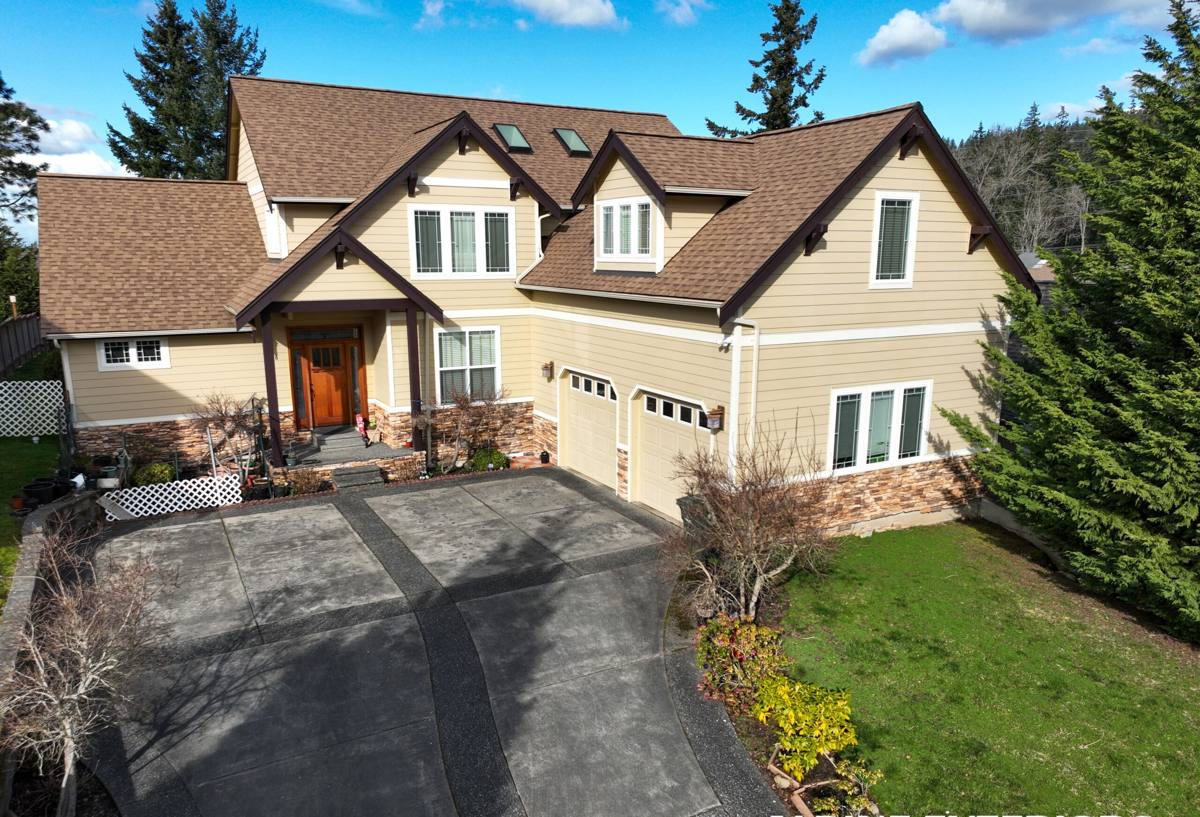
What Bellingham's Climate Actually Does to a Deck
Moss, Algae and Constant Moisture
Whatcom County's moss season isn't a short window — shaded, north-facing, and low-airflow areas can stay damp for months at a stretch. On a deck, that moisture sits on the board surface, works into any gaps between boards, and collects underneath if the substructure doesn't drain and dry out between rain events. Wood decking absorbs that moisture directly into the fiber, which is why untreated or poorly sealed wood decks in this area develop soft spots, splinter, and grow moss on the surface within a few seasons. Composite boards don't absorb water the same way, but the framing, fasteners, and any wood trim used with them still can — which is where a lot of "composite" deck failures actually start.
Salt Air and Coastal Exposure
Homes closer to Bellingham Bay deal with a steady low-grade exposure to salt-laden air. Over years, that air accelerates corrosion on fasteners, hidden clips, and any exposed metal hardware. It also degrades cheaper board finishes faster than manufacturers' published warranties always account for. This is a real factor in material and hardware selection — not a reason to avoid composite decking, but a reason to be deliberate about which fasteners and flashing components go into the build.
UV, Temperature Swings and Board Movement
Bellingham doesn't get brutal summer heat, but composite boards still expand and contract with daily and seasonal temperature swings, and UV exposure affects fading rates even under mostly overcast Pacific Northwest skies. Boards installed without the manufacturer's specified gapping will buckle, bow, or push against each other over time. This is a small detail that separates a deck that stays flat and tight for fifteen years from one that starts looking uneven after three.
Composite, Wood, or PVC — What We Recommend and Why
We get asked regularly why we steer most Barkley homeowners toward composite rather than natural wood or full PVC. Each material has real trade-offs, and the right answer depends on budget, how much upkeep you want to do, and how exposed the deck site is to moisture and shade.
| Material | Moisture Behavior in This Climate | Maintenance | Typical Lifespan Here |
|---|---|---|---|
| Cedar / Pressure-Treated Wood | Absorbs moisture directly; prone to moss, cupping, and rot in shaded or low-airflow spots | Annual cleaning, sealing or staining every 1-2 years | 10-15 years with diligent upkeep |
| Capped Composite | Moisture-resistant core with a protective cap; doesn't absorb water into the board body | Periodic washing; no staining or sealing required | 25-30 years, often longer |
| Solid PVC | Fully moisture-proof board; can look and feel less like natural wood | Low; occasional cleaning | 25-30+ years |
Capped composite is our default recommendation for most Barkley projects because it strikes a workable balance: strong moisture and moss resistance, a natural wood-grain appearance, and a manageable price point compared to solid PVC. We'll still walk you through PVC or a well-detailed wood build if that's a better fit for your project — the honest answer depends on the site, the budget, and how the space gets used.
What Goes Into a Correctly Built Composite Deck
Framing and Substructure
The composite boards get the attention, but the framing underneath decides whether the deck lasts. In a climate this wet, we build with corrosion-resistant or coated structural lumber and treat cut ends, since a factory-treated board that gets field-cut and left raw is a common entry point for rot. Ledger board flashing where the deck attaches to the house gets particular focus — a poorly flashed ledger is one of the most common sources of hidden water damage we find on existing decks in this area.
Fasteners, Hidden Clips and Board Spacing
Given the salt air exposure closer to the water, we use fasteners and hidden fastening systems rated for coastal or marine-grade corrosion resistance rather than standard hardware. Board gapping follows the manufacturer's specification for expected temperature swings, adjusted slightly for wet-season moisture swelling. Getting this gap wrong is a quiet mistake — it looks fine on install day and shows up as buckling or pinched boards a year or two later.
Drainage and Ventilation Underneath
A composite deck surface can shed water well and still trap moisture underneath if there's no airflow beneath the joists. We plan joist spacing, ground clearance, and where needed, under-deck drainage or venting so the substructure actually dries out between Whatcom County's frequent rain events instead of staying damp all winter.
Our Process, Start to Finish
- Site visit and assessment: we look at sun and shade exposure, existing structure (if replacing a deck), drainage slope, and how the space will be used.
- Material and layout discussion: board selection, color, railing style, and any structural changes are worked out with you before anything is ordered.
- Written estimate: a clear scope and price, no vague allowances buried in the fine print.
- Demo and framing: old decking removed if applicable, framing built or reinforced to current structural standards with climate-appropriate materials.
- Composite installation: boards, hidden fasteners, and trim installed to manufacturer spec, including expansion gapping and ventilation detailing.
- Final walkthrough: we go over the finished deck with you, including basic care so it stays looking right through the wet season.
Mistakes We Regularly Correct on Existing Decks
A fair amount of our composite decking work in Barkley is repair or partial rebuild on decks that were installed without accounting for the local climate. The patterns repeat:
- Boards fastened with standard (non-coastal-rated) screws that rust and stain the decking within a few years
- No gap or an undersized gap between boards, leading to buckling as they swell with moisture
- Ledger boards attached to the house without proper flashing, allowing water intrusion behind the siding
- Framing built low to the ground with poor airflow, trapping moisture and accelerating substructure rot
- Composite boards installed directly over old, untreated framing that was already compromised
None of these are failures of composite decking as a material — they're installation shortcuts that a wet, moss-prone climate exposes faster than a dry one would.
Maintenance Composite Decking Actually Needs in This Climate
Composite decking is genuinely low-maintenance compared to wood, but "low-maintenance" isn't "no-maintenance" in a place with a real moss season. A short seasonal routine keeps a composite deck looking like new for years:
- Sweep debris and standing leaves off the surface regularly, especially in shaded areas prone to moss
- Wash the deck surface with a soft-bristle brush, mild soap, and water once or twice a year — more often in heavily shaded sections
- Keep gutters and downspouts near the deck clear so runoff doesn't pool against the ledger or framing
- Check that furniture and planters aren't sitting directly on the surface in a way that traps moisture underneath them
- Do a quick visual check of railing posts and stair connections once a year for movement or loosening
Why Hiring a Crew That Already Works in Barkley Matters
A contractor who builds decks mainly in drier climates or different soil conditions doesn't automatically think about salt-air fastener corrosion, moss-season drainage, or how much expansion gap a board actually needs after a wet Whatcom County winter. Those details aren't in the average installation manual — they come from having built and repaired decks in this specific area long enough to see what fails and why. A crew already familiar with Barkley's exposure and moisture patterns builds it right the first time instead of learning the lesson on your deck.
If you're planning a new composite deck or want an honest look at an existing one that's showing moss, staining, or movement, we're happy to come take a look. Use the form below to request a free, no-pressure estimate — we'll give you a straight assessment of what your project needs and what it should cost.