 Bellingham Exterior
 Window Replacement Built for York's Older Homes
York is one of Bellingham's older, close-in neighborhoods, and that shows up in the housing stock — a lot of craftsman-era bungalows, early-to-mid-century construction, and additions or window swaps that were done in whatever decade was convenient at the time. Original wood windows in homes like these can still have a lot of character, but by the time they're 60, 80, or 100 years old, most have given up on being weathertight. Later "upgrades," often builder-grade aluminum or early vinyl from a remodel, tend to be past their working life too.
Replacing windows in a York home isn't quite the same job as doing it in a new-construction subdivision. Older wall assemblies, original trim details, and settling that's happened over decades all affect how a new window should be installed. We treat it as a different job because it is one.
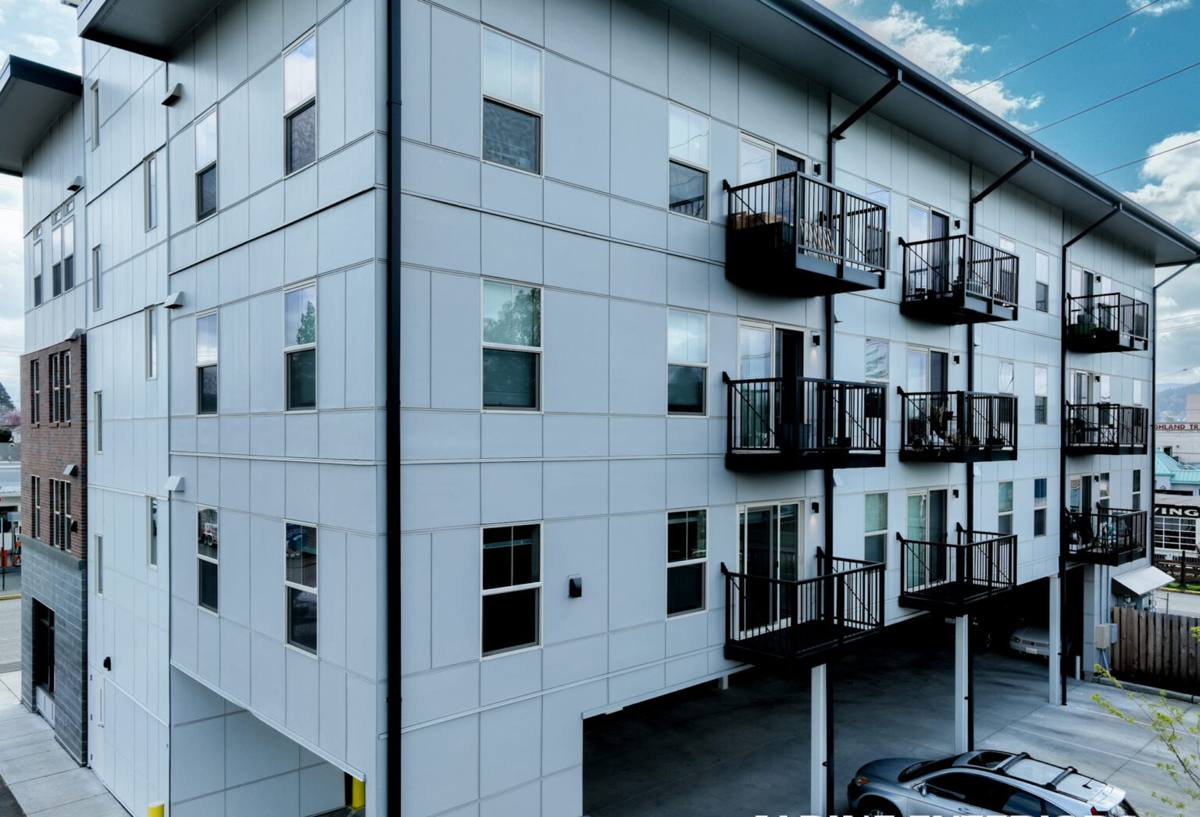
What Bellingham's Climate Does to Windows Over Time
Whatcom County sits right where Pacific storm systems meet Bellingham Bay, and that combination is hard on window assemblies in a few specific ways.
Salt Air and Marine Exposure
Being close to the bay means a steady, low-level exposure to salt-laden air. Over years, that accelerates corrosion on aluminum frames, hardware, and fasteners, and it breaks down cheaper seals and gaskets faster than they'd wear inland. It's rarely dramatic — it's slow, and it's usually invisible until a window won't latch right or a frame starts pitting.
Driving Rain
Bellingham doesn't just get rain, it gets wind-driven rain, and wind-driven rain finds every gap a calm rain would never reach. A window that's watertight in a light shower can still leak during a January storm if the flashing, sill pan, or sealant details weren't done correctly. This is the single biggest reason we see water damage around window openings in this area — not bad windows, but installations that weren't detailed for driving rain.
Moss and Trapped Moisture
Whatcom County's long wet season is good moss-growing weather, and moss doesn't stay on the roof — it works into window sills, trim, and any spot where organic debris can sit against wood or hold moisture against a seal. On older wood-trimmed windows especially, that trapped moisture is what starts rot, usually at the bottom corners of the frame or the sill first.
Signs a York Home's Windows Are Due for Replacement
Some of these are obvious, some aren't. Worth checking before you decide whether you need replacement or just maintenance.
- Visible gaps, cracked glazing putty, or wood that feels soft when pressed with a thumb
- Condensation building up between panes on a double-pane window — that's a failed seal, and it can't be repaired
- Drafts you can feel near the frame even with the window latched shut
- Windows that are painted shut, won't stay open, or are hard to operate
- Visible daylight around the frame, or gaps you can fit a piece of paper into
- Noticeably higher heating bills with no other explanation
- Peeling paint, staining, or a musty smell on the interior trim around the window
- Moss or dark streaking building up on exterior sills or trim year after year
Choosing the Right Window for a York Home
There isn't one "best" window material — there's a best fit for your home, your budget, and how much upkeep you want to take on. In an older neighborhood like York, we also factor in how a new window will read against original trim and siding details, since a mismatched profile can stand out on a house with real architectural character.
| Frame Material | How It Handles This Climate | Maintenance | Typical Fit |
|---|---|---|---|
| Vinyl | Good moisture and salt-air resistance; won't rot or corrode | Low — occasional cleaning | Budget-conscious replacements, rentals, additions |
| Fiberglass | Very stable in temperature swings and driving rain; holds paint well if you want a custom color | Low | Homes wanting durability without the vinyl look |
| Wood-clad (exterior clad, interior wood) | Exterior clad layer protects against rain and salt air; interior wood keeps original character | Moderate — clad exterior is low-maintenance, interior wood needs normal care | Craftsman and period homes where trim detail matters |
| Aluminum | Prone to corrosion and thermal transfer in marine air over time | Higher — watch for pitting and condensation | Generally not our first recommendation this close to the bay |
We don't push aluminum replacements in this area — not because it's a bad material everywhere, but because in a marine climate with this much salt air and rain, it tends to corrode and sweat faster than the alternatives, and that shows up as a maintenance headache a few years down the road. Vinyl, fiberglass, and clad-wood all hold up better here, and which one makes sense usually comes down to budget and how closely you want to match existing trim.
Glass Matters as Much as the Frame
For this climate, we default to double-pane windows with low-E coating and argon gas fill as the baseline, not an upsell. Low-E glass cuts down on heat loss during our long wet, cool stretches and reduces UV fading on interior furnishings. If a home faces prevailing wind and rain directly, we'll also talk through impact-resistant or laminated glass options for extra durability, though that's a "nice to have" rather than a requirement for most York homes.
What a Correct Installation Actually Involves
The window itself is maybe half the job. The other half — the part you can't see once it's done — is what determines whether it leaks in five years or lasts thirty. Given how much wind-driven rain this area gets, we don't cut corners on any of these steps:
- Full removal and inspection of the old frame and rough opening, not just a "pocket install" over the existing frame
- Sill pan flashing so any water that does get past the window sheds outward instead of sitting on the sill or draining into the wall
- Proper integration with the weather-resistive barrier — flashing tape and house wrap need to be layered correctly, shingle-style, so water always moves down and out
- Backer rod and quality sealant at the exterior joint, sized and applied correctly rather than just a bead of caulk over a gap
- Shimming and squaring the unit so it operates smoothly and doesn't stress the frame or seals over time
- Interior air sealing with low-expansion foam or backer rod, separate from the exterior weatherproofing
Skip any one of these and you can end up with a brand-new window that still leaks in a January storm. This is where a lot of "cheap" window jobs actually cost homeowners the most, because the damage happens inside the wall where nobody sees it until there's a problem.
Our Process
- Walkthrough and assessment — we look at every window being considered, check for existing moisture or rot damage around openings, and talk through what's actually needed versus what can wait
- Honest recommendation — material, glass package, and whether full-frame or insert replacement is the right call for that specific opening
- Written estimate — clear pricing, no pressure, no surprise add-ons later
- Installation — proper flashing, sealing, and air-sealing details as described above, on every window, every time
- Final walkthrough — we check operation, sealing, and cleanup with you before we consider the job done
Why a Crew That Already Works in York Matters
Older neighborhoods have quirks that don't show up in a spec sheet. Rough openings in a decades-old home are rarely perfectly square. Original trim profiles vary house to house even on the same block. Some homes have had window openings resized during a past remodel in ways that aren't obvious until you start pulling out the old unit. A crew that's worked on other homes in this neighborhood has already seen those surprises and knows how to handle them without turning into a change-order every time.
There's also a practical side to being local: we know how Bellingham weather behaves through the install window, we're not driving in from out of the area, and if a question comes up after the job's done, we're not hard to reach. In a climate where a bad seal can take months to show itself as a problem, that follow-through matters.
What Window Replacement Typically Costs
Pricing depends on window size, material, glass package, and whether it's a straightforward insert replacement or a full-frame replacement that involves fixing an opening or dealing with rot damage. As a general guide:
| Factor | Why It Affects Cost |
|---|---|
| Insert vs. full-frame replacement | Full-frame costs more but is often necessary if there's rot, water damage, or the opening needs correction |
| Frame material | Vinyl is typically the most affordable; fiberglass and wood-clad cost more upfront but often make sense for durability or matching original trim |
| Glass package | Standard double-pane low-E is the baseline; upgraded glass (impact-resistant, laminated) adds cost |
| Number of windows | Doing a whole house at once is usually more cost-efficient per window than one-off replacements over time |
| Access and condition | Second-story windows, unusual shapes, or hidden rot found during removal can add labor |
We'd rather give you real numbers for your specific windows than a broad range that doesn't mean much. That's what the estimate is for.
Get a Straight Answer for Your Windows
If you're in York and dealing with drafty, foggy, or hard-to-operate windows, we're happy to come take a look, tell you honestly what's going on, and put together a written estimate with no pressure attached. Fill out the form below to get started.