 Bellingham Exterior
 Why Fairhaven's Location on Bellingham Bay Changes the Siding Equation
Fairhaven sits close enough to Bellingham Bay that salt-laden air is a constant, not an occasional visitor. Combine that with Whatcom County's long wet season — months of driving rain off the Sound, punctuated by short, humid summers — and you get a climate that is genuinely harder on exterior cladding than most of the country deals with. Add in tree cover and shaded lots common to the neighborhood's older streets, and you have ideal conditions for moss and algae to take hold on any surface that stays damp for more than a day or two at a time.
None of this means siding fails quickly here. It means siding installed without the coastal-marine climate in mind fails early — years before it should, and often in ways that are expensive to catch until the damage is already behind the wall. A correct installation in Fairhaven has to account for salt exposure, sustained moisture, and moss growth from day one, not as an afterthought.
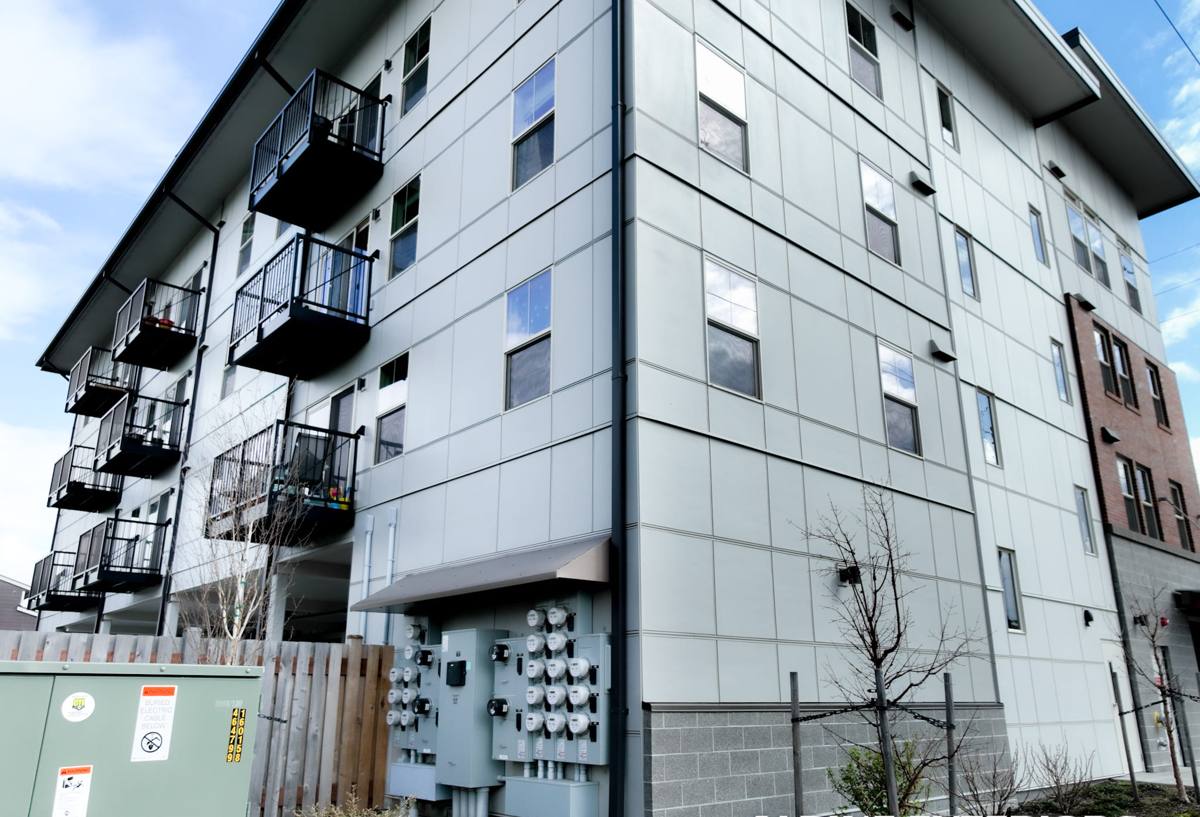
What Salt Air Actually Does to a House
Corrosion of Fasteners and Trim
Airborne salt accelerates corrosion of exposed metal — nail heads, flashing, trim fasteners, and any hardware that isn't rated for coastal exposure. Once a fastener starts rusting, it weeps stains down the face of the siding and eventually loses its grip, which is how you end up with boards that rattle or pull away in wind.
Finish Breakdown
Paint and lower-grade factory finishes chalk, fade, and crack faster under salt exposure combined with UV and moisture cycling. A finish that's rated for inland conditions may look tired within five or six years on a home this close to the bay.
What Constant Rain and Shade Do to a House
Moisture Intrusion
Bellingham's rain isn't just frequent — a lot of it arrives sideways, driven by wind off the water. Any gap in flashing, any butt joint that wasn't sealed correctly, any place where siding meets a window or door without proper drainage becomes a path for water to get behind the cladding. Once moisture is trapped against sheathing, framing rot can start long before anything shows on the outside.
Moss and Algae
Shaded, damp wall sections — common on north-facing walls and under mature trees, both typical in Fairhaven — grow moss and algae far faster than sun-exposed walls. On porous or textured surfaces, that growth holds moisture against the material and can shorten its service life if left unmanaged.
What a Correct Siding Installation Has to Get Right Here
Given those two pressures — salt and sustained moisture — a proper installation in this part of Bellingham needs to address several things that a lower-quality job, or a job rushed by a crew unfamiliar with coastal conditions, often skips:
- A drainable weather-resistive barrier behind the siding, not just building paper stapled flat
- Correctly lapped and sealed flashing at every window, door, and roof-to-wall transition
- Rain screen or furring strips where wall assemblies need a gap for drying, especially on shaded elevations
- Corrosion-resistant, coastal-rated fasteners rather than standard interior-grade hardware
- Proper joint sealing and gapping so panels can move without trapping water
- A siding material with a factory finish engineered to resist moisture cycling and UV, not just paint applied on site
Skip any one of these and the siding may look fine at handoff but underperform within a few years — which is exactly the pattern we see when we're called out to look at a home with premature paint failure, staining, or soft trim near the ground.
Why We Install Only James Hardie Fiber Cement
We don't install vinyl, LP SmartSide, or primed wood siding, and we don't make that decision lightly — it comes from what actually holds up under salt air and sustained moisture versus what looks good on day one. Vinyl can warp and fade under UV and temperature swings, and its seams are a common moisture entry point if installation isn't precise. Engineered wood products and primed wood siding depend heavily on an intact factory or field-applied coating; once that coating is compromised by moisture, the wood-based core underneath is vulnerable in a way fiber cement simply isn't.
James Hardie fiber cement is non-combustible, dimensionally stable in wet climates, and available in HZ5 and HZ10 product lines specifically engineered for regions with heavy moisture exposure. Its ColorPlus factory finish is baked on under controlled conditions rather than applied on site, which gives it better long-term resistance to fading and cracking than field-applied paint — a real advantage in a climate that punishes finishes. It's also backed by a strong transferable warranty, which matters more here than in drier regions because coastal exposure is exactly the kind of stress that separates products that hold up from products that don't.
Our Installation Process
1. On-Site Assessment
We start by walking the exterior and identifying moisture-prone areas — shaded walls, low clearance points, existing trim or flashing issues — before quoting anything. Fairhaven's mix of older homes and newer construction means every house needs its own read, not a generic estimate.
2. Tear-Off and Sheathing Inspection
Old siding comes off and we inspect the sheathing underneath for rot or hidden moisture damage. This is often where problems from a previous installation show up, and it needs to be addressed before anything new goes on.
3. Weather Barrier and Flashing
We install a drainable weather-resistive barrier and correctly lap all flashing at penetrations, windows, and doors so water is directed out and down, never trapped.
4. Hardie Panel Installation
Panels or lap siding go up per James Hardie's installation specifications — correct fastener spacing and type, proper gapping at joints, and correct clearance from grade, decks, and roof lines.
5. Trim, Caulking, and Final Detailing
Trim work and sealant are finished to manufacturer spec, since sloppy caulking is one of the most common ways water gets behind otherwise well-installed siding.
6. Final Walkthrough
We walk the finished job with the homeowner and point out anything they should know about long-term care specific to their home's exposure.
Signs a Fairhaven Home May Need New Siding Soon
- Persistent dark streaking or green tint on shaded walls that pressure washing only temporarily removes
- Soft or spongy spots near the bottom of siding boards, especially close to grade or decks
- Paint that's chalking, peeling, or fading noticeably faster on the bay-facing side of the house
- Visible gaps, warping, or buckling at panel seams
- Rust staining running down from nail heads or trim fasteners
- A musty smell or visible staining on interior walls that back onto exterior siding
Cost Factors to Understand Before You Get a Quote
Every home is different, but the factors below are what actually move the price on a Hardie installation in this area — useful to know before you compare quotes.
| Factor | Why It Matters Here |
|---|---|
| Extent of tear-off and sheathing repair | Coastal moisture exposure means hidden rot is more common than in drier climates, and repair scope isn't known until old siding is off |
| Siding profile (lap vs. panel vs. shingle) | Different Hardie profiles carry different material and labor costs, and some suit Fairhaven's older architectural styles better than others |
| Trim and detail work | Homes with more windows, dormers, or architectural detail require more precise (and more time-intensive) flashing and trim work |
| Wall exposure and shading | Shaded, moisture-prone elevations may need extra rain-screen detailing that adds labor but pays off in longevity |
| Color and finish selection | ColorPlus factory finishes vary somewhat in cost by color and coating, but all outperform field-applied paint here |
Why Hiring a Crew That Already Works in Fairhaven Matters
Siding installation isn't the same job in every neighborhood. A crew that mostly works drier, inland areas may not think twice about rain-screen detailing or coastal-rated fasteners, because they've rarely needed them. A crew that regularly works Fairhaven and the rest of Bellingham's bay-adjacent neighborhoods has already seen what happens when those details get skipped — the premature staining, the soft trim, the moss-driven finish failure — and builds around it as standard practice, not an upsell.
Local experience also means a more accurate read on your specific lot: which walls stay shaded longest, how close you are to the water, whether mature trees are keeping a section of the house damp most of the year. That context shapes real decisions about flashing, ventilation, and where to spend extra care during installation.
Maintenance After Installation
James Hardie siding is low-maintenance compared to wood or vinyl, but "low-maintenance" isn't "no-maintenance" in a climate like this one. A simple annual routine goes a long way:
- Rinse shaded or moss-prone walls gently once a year to prevent buildup from taking hold
- Keep gutters clear so overflow doesn't run down the siding face
- Trim back vegetation that keeps a wall section shaded and damp
- Watch caulking and trim joints for cracking and have them resealed if needed
- Address any staining or soft spots early rather than waiting for the next full inspection
If your Fairhaven home is showing signs of wear, or you're planning ahead for a replacement, we're happy to take a look and walk you through what your specific home needs — no pressure, no obligation. Use the form below to request a free estimate.