 Bellingham Exterior
 New-Construction Windows in Cordata: What the Job Actually Involves
New-construction window installation is a different trade than replacement work, even though both end with a window in a wall. On a new build in Cordata, the window goes in before the siding, before the finish trim, and often before the interior drywall. That means the window isn't just being set into an opening — it's being integrated into the building's entire water management system from the studs out. Get that sequencing wrong, and you won't see the problem until years later, when moisture has already worked its way behind the finish materials.
For a crew that installs windows this way regularly, the process is routine. For a crew that mostly does replacement work, new construction can expose gaps in flashing knowledge that don't show up until the first real storm season.
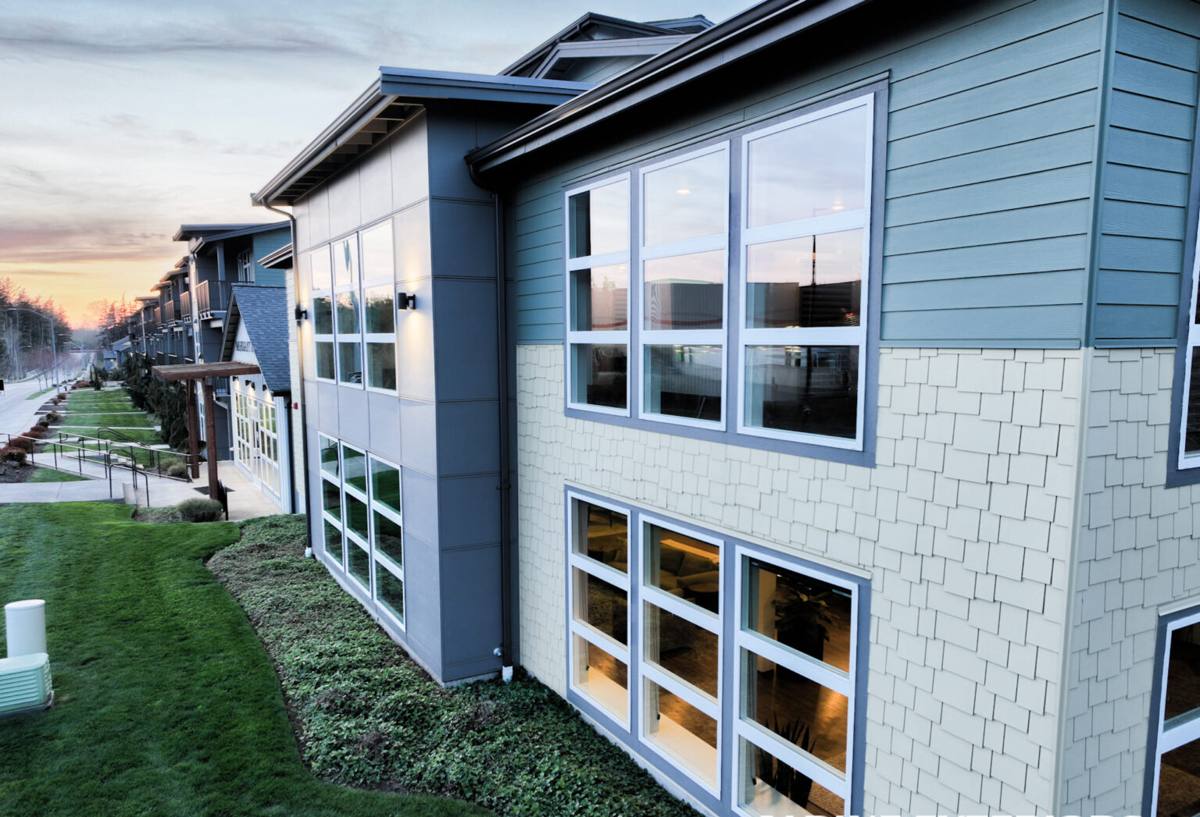
Why Bellingham's Climate Changes the Window Spec
Cordata sits in north Bellingham, close enough to the water that salt air is a real factor in material selection, and squarely in the path of the driving rain that defines a Whatcom County winter. Add a long moss season — shaded north- and east-facing walls in this part of the county can stay damp for months at a stretch — and you have a climate that punishes any shortcut in window flashing or sealant work.
Three regional conditions drive most of our decisions on a Cordata new-construction job:
- Wind-driven rain: Storms off the Strait and the Sound don't just fall straight down — they push water sideways into wall assemblies, which is why head flashing and side-leg laps matter more here than in drier climates.
- Salt-influenced air: Proximity to Bellingham Bay means hardware, fasteners, and cladding-adjacent metal need corrosion resistance that inland installers sometimes skip.
- Extended damp season: Moss and algae growth on shaded siding and trim is common in Whatcom County, and any window detail that traps water instead of shedding it becomes a growth site.
None of this requires exotic products. It requires disciplined, correct installation — which is where most window problems in this region actually originate.
Flashing and Weather-Resistive Barrier Integration
This is the part of the job that's invisible once the siding goes on, and it's also the part most responsible for long-term performance. A correctly flashed new-construction window follows a shingle-lap sequence so water is always directed outward and downward, never trapped behind the barrier.
The order that has to happen, every time
- Weather-resistive barrier (housewrap) installed and lapped correctly on the rough opening before the window arrives.
- Sill pan flashing installed with back and end dams, so any water that gets past the window has somewhere to drain other than into the framing.
- Window set, leveled, and fastened per the manufacturer's approved fastening schedule — not a generalized pattern.
- Side flashing tape applied over the nailing fin, then head flashing lapped over the top, integrating into the housewrap above.
- Backer rod and sealant at the interior and exterior joints, sized and installed to allow for the wall assembly's expected movement.
Skip the sill pan, or lap the flashing in the wrong order, and the window can look perfect for years while water quietly tracks into the wall cavity. On a new build, this is also the point where it's cheapest to get right — every layer is still accessible, with no finish siding or interior drywall to remove and replace if something needs correcting.
Window Types and Materials: What Holds Up Here
Material choice matters less than installation quality, but it's still worth understanding what performs well in this climate versus what asks for more upkeep.
| Material | Performance in Whatcom County Climate | Maintenance Load |
|---|---|---|
| Vinyl | Good moisture and salt-air resistance, stable pricing, wide sizing availability | Low — occasional cleaning, no refinishing |
| Fiberglass | Excellent dimensional stability in temperature and moisture swings, strong long-term performance | Low |
| Aluminum-clad wood | Attractive interior wood look with an exterior shell that resists driving rain; cladding seams need correct detailing | Moderate — interior wood finish may need attention over time |
| Solid wood | Traditional appearance but higher exposure risk in a wet, moss-prone climate without diligent upkeep | Higher — regular painting/sealing needed on exposed faces |
We don't push homeowners toward one material across the board. We do explain, honestly, what a given choice means for long-term upkeep in this specific climate — a solid wood window on a shaded, north-facing Cordata elevation is a different maintenance commitment than the same window on a sun-exposed south wall.
Glass and performance packages
Low-E, argon-filled double-pane glass is the practical baseline for new construction in this region — it manages both our cool, wet winters and the condensation risk that comes with a tight, well-insulated new build. Triple-pane is worth discussing for north-facing rooms or homes prioritizing energy performance, but it adds weight and cost that isn't necessary on every opening.
New Construction vs. Replacement: Why the Rules Are Different
It's worth being clear about this distinction, because it changes what "correct" looks like:
- New construction uses full-flange windows integrated directly into the housewrap and flashing system before siding goes on. This is the strongest, most durable water-management approach available.
- Replacement (pocket or insert) windows fit into an existing frame without disturbing the surrounding siding, trading some of that integrated flashing performance for a faster, less invasive install.
On a Cordata new build, there's no reason to compromise — the opening is open, the sequencing can be done right, and doing it right the first time is far cheaper than correcting a flashing failure after the siding and interior finishes are in place.
Our Installation Process
On a new-construction job in Cordata, our process generally runs as follows:
- Plan review and rough opening check: We confirm openings match the approved window schedule before anything is set, catching framing discrepancies early.
- Barrier and flashing prep: Housewrap laps and sill pans go in per manufacturer specification, adapted for our wind-driven rain exposure.
- Window setting: Units are leveled, shimmed, and fastened to the manufacturer's schedule — not "close enough."
- Flashing integration: Side and head flashing tie the window into the surrounding barrier in the correct shingle-lap order.
- Sealant and backer rod: Interior and exterior joints are sealed with products rated for our climate's temperature and moisture swings.
- Documentation: We note flashing details and any deviations for the builder's and homeowner's records, which matters for warranty and future siding or trim work.
Why a Crew That Already Works Cordata Matters
Framing conventions, siding trades, and even inspection expectations vary somewhat between jurisdictions and even between builders within the same city. A crew that regularly works new construction in Cordata and the surrounding Bellingham area already knows how local siding crews sequence their work, what inspectors in Whatcom County typically flag, and how to coordinate scheduling so windows go in at the right point in the build — not too early, not so late that framing has already been exposed to weather longer than it should be.
That familiarity also shows up in smaller ways: knowing which elevations on a typical Cordata lot get the most wind-driven rain, adjusting flashing details accordingly, and communicating clearly with general contractors who are juggling multiple trades on a tight build schedule.
Cost Factors on a New-Construction Window Job
| Factor | Why It Moves the Price |
|---|---|
| Window count and size | More openings and larger units mean more material and labor time |
| Material selection | Vinyl, fiberglass, and clad-wood carry different unit costs and glass package options |
| Wall assembly complexity | Multiple siding transitions, decorative trim, or non-standard openings add flashing detail time |
| Access and scheduling | Coordinating around other trades on an active job site affects labor efficiency |
| Performance glass upgrades | Triple-pane or specialty coatings add cost per unit |
We give straightforward, itemized estimates rather than a single lump number, so homeowners and builders can see exactly what's driving the cost and make informed choices about where to spend and where to save.
A Simple Maintenance Checklist for New Windows
Correct installation does most of the work, but a little seasonal attention protects that investment in our climate:
- Inspect exterior caulk lines each fall before the rainy season sets in
- Clear debris and moss from sills and adjacent trim, especially on shaded elevations
- Check weep holes on vinyl and fiberglass frames to make sure they're not blocked
- Watch for interior condensation buildup, which can signal a ventilation or performance-glass mismatch
- Have flashing and sealant joints checked after any nearby siding or trim work
If you're building or finishing a home in Cordata and want windows installed by a crew that treats flashing and sequencing as seriously as the windows themselves, we're happy to walk the plans with you and provide a free, no-pressure estimate. There's no obligation — just a clear look at what the job actually involves for your specific build.