 Bellingham Exterior
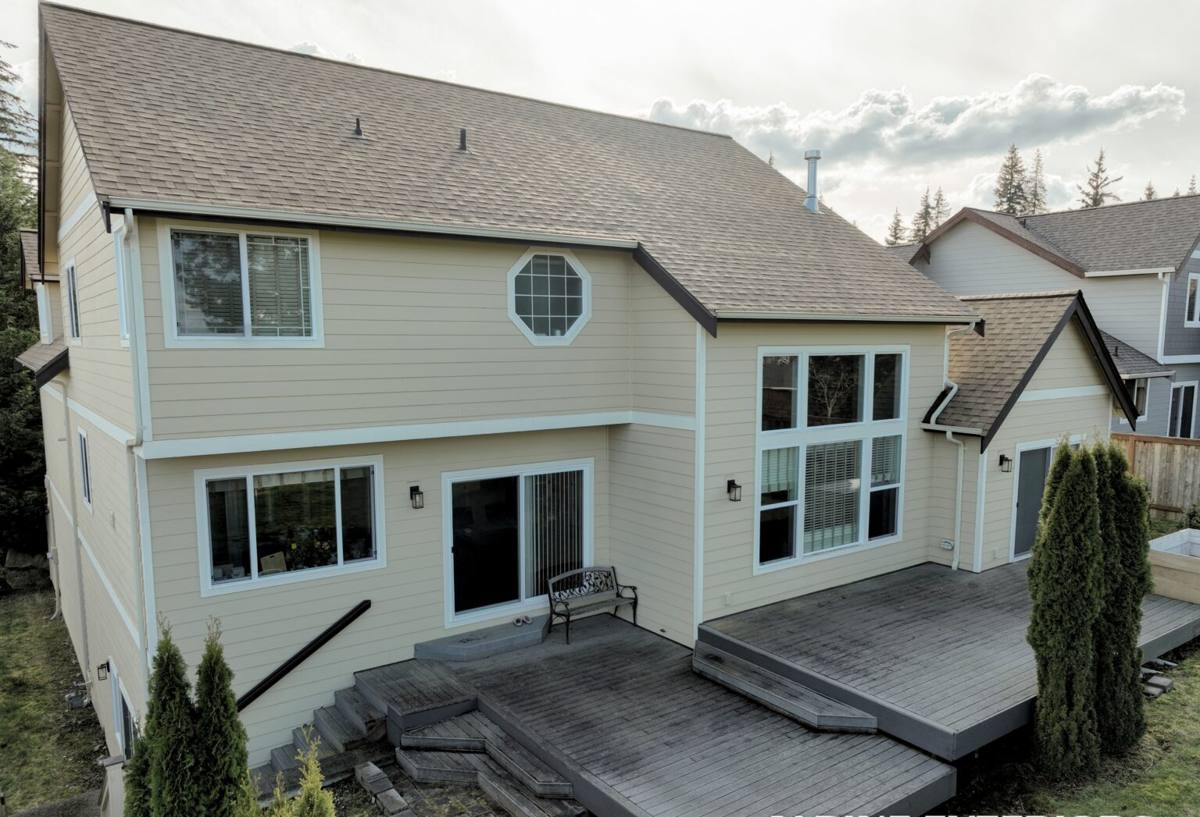
 Decks in Silver Beach Face a Different Set of Problems
Silver Beach sits in one of the shadier, more tree-covered pockets of Bellingham, tucked along the north end of Lake Whatcom. That setting is part of why people love living there — mature trees, quiet streets, water close by. It's also exactly why decks in this neighborhood age differently than decks out in the open sun. Less direct light means slower drying after rain. More overhead canopy means more organic debris landing on the deck surface all year. And because many lots slope toward the lake, drainage and footing decisions matter more here than they would on a flat, unshaded yard.
We've built and repaired decks all over Whatcom County, and the ones that fail early almost always failed for the same reasons: a ledger board that wasn't flashed correctly, joists that never got a chance to dry out between storms, or decking material picked for looks instead of how it actually performs in shade and damp. None of that is exotic knowledge — it's just detail work that gets skipped when a crew is moving fast and doesn't know the neighborhood.
What Bellingham's Climate Actually Does to a Deck
Whatcom County's marine climate is generally mild, but mild doesn't mean easy on wood and fasteners. A few things stack up against any deck built here, and they stack up faster in a shaded, lakeside spot like Silver Beach:
- Driving rain: wind-driven rain off the Sound finds its way behind ledger boards and under poorly lapped flashing, which is where rot actually starts — not on the visible surface.
- Salt air: Bellingham's proximity to saltwater speeds up corrosion on lower-grade fasteners, hardware, and railing connectors, especially anything not rated for coastal exposure.
- A long moss season: shade plus moisture equals moss and algae film on decking boards for a good chunk of the year, which is a slip hazard as much as a maintenance headache.
- Slow drying: tree cover in neighborhoods like Silver Beach keeps decks damp longer after every rain, which matters more for material choice and airflow underneath than most people expect.
None of this means you can't have a good deck here. It means the build has to account for all four from the start, not get patched in after the fact.
Getting the Foundation Right: Footings, Ledger, and Flashing
Footings on Sloped, Wooded Lots
A number of Silver Beach properties have some grade change toward the lake, and tree roots are often closer to the surface than homeowners realize. Footing depth and placement need to account for frost depth per Whatcom County code, but also for root systems and drainage patterns that aren't always obvious until we dig. We don't guess on this — we confirm footing locations and depths on site before pouring anything.
The Ledger Connection Is the Most Important Joint on the Deck
Where a deck attaches to the house is the single most common failure point we see on older decks in this area, and it's almost always a flashing problem, not a framing problem. Done correctly, the ledger gets proper through-bolting (not just lag screws), a continuous flashing detail that sheds water away from the house band joist, and a gap or flashing tape system that keeps moisture from wicking into end grain. Skipped or rushed here, a deck can look fine for years while the structure behind the siding quietly rots.
Drainage Underneath
In a shaded yard, water that pools under a deck doesn't evaporate quickly. Grading the area beneath the deck, keeping post bases off standing water, and leaving enough clearance for air movement all reduce the moss and mildew load on the underside of the structure — which is invisible until it isn't.
Choosing Decking Material for a Shaded, Damp Yard
There's no single "best" decking material — there's a best material for your yard's sun exposure, your maintenance appetite, and your budget. In a canopy-heavy neighborhood like Silver Beach, we weigh moss resistance and drying time more heavily than we would for a client with full sun.
| Material | How It Handles Shade & Moss | Maintenance | General Cost Range |
|---|---|---|---|
| Cedar | Naturally rot-resistant but still needs airflow; moss will grow on the surface film if not cleaned periodically | Periodic cleaning and refinishing every few years | Moderate |
| Pressure-treated fir/pine | Prone to surface moss and algae faster than cedar in shade; performs fine structurally if sealed | Regular cleaning, sealing on a set schedule | Lowest |
| Composite decking | Resists rot but can still develop a moss/algae film on top in deep shade; doesn't feed fungal growth the way wood can | Occasional washing, no sealing or staining | Higher |
| PVC decking | Best moisture resistance of the group; sheds surface growth most easily with a rinse | Lowest ongoing maintenance | Highest |
We're honest with clients about trade-offs rather than steering everyone to the priciest option. A well-built cedar deck that gets cleaned twice a year can outlast a poorly installed composite deck. Installation quality and airflow underneath matter more than the material label on the box.
Framing and Fasteners: The Details That Don't Show But Matter Most
Given the salt air and long damp stretches typical of this area, we don't cut corners on hardware. That means stainless or coated fasteners rated for exterior and coastal-adjacent exposure, joist tape on top of frame members to keep water out of screw penetrations, and hangers and structural connectors matched to the framing material rather than whatever's cheapest at the moment. It also means joist spacing appropriate to the decking material chosen — composite and PVC products often have tighter span requirements than solid wood, and ignoring that spec is a common shortcut that shows up as bounce or sag within a few years.
A Practical Pre-Build Checklist
- Confirm footing depth and placement against Whatcom County frost and setback requirements
- Check ledger attachment method and flashing detail before any decking goes down
- Grade and clear the area under the deck for drainage and airflow
- Match fastener and hardware corrosion rating to the site's exposure
- Choose decking material based on actual sun exposure, not the neighbor's deck
- Plan joist spacing to the decking manufacturer's span rating, not a generic default
- Confirm railing height and guard spacing meet current code for the finished deck height
How We Approach a Silver Beach Deck Project
We start with a site visit, not a sales pitch. That means walking the yard, noting sun exposure, slope, tree root locations, and how water currently moves across the property. From there we talk through material options honestly, including what each one will actually look like in five and ten years given the shade on that specific lot. Once we've agreed on scope, we handle permitting through the City of Bellingham or Whatcom County as applicable, framing, ledger and flashing work, decking installation, and railings — then walk the finished deck with you before we consider the job done.
We don't subcontract the structural work out to whoever's available that week. The same crew that frames the deck installs the decking and railings, so there's no gap in accountability if something needs adjusting.
Living With a Deck in a Shaded, Lakeside Neighborhood
Even a well-built deck in Silver Beach needs a bit more attention than one in full sun. A seasonal sweep to clear leaves and debris before they mat down and hold moisture, an annual rinse or light scrub to knock back surface moss before it gets slick, and a periodic check of the ledger flashing and any visible fasteners for corrosion will keep a correctly built deck performing for decades. None of this is heavy work — it's the difference between staying ahead of moss and algae versus scrubbing a slip hazard off the boards every spring.
Why a Local Crew Matters Here
A contractor who mostly builds decks in open, sunny yards across the county will still build you a structurally sound deck — but they may not think twice about flashing details, moss-prone material choices, or drainage under a canopy the way a crew that regularly works Silver Beach and similar Bellingham neighborhoods will. We know what this area's shade and rain do to a deck over ten or fifteen years because we've gone back and looked at the ones we and others have built. That's not a guess — it's the reason we spec things the way we do on every ledger, every footing, and every fastener choice.
If you're planning a new deck or need an honest look at whether an existing one is holding up the way it should, we're glad to come take a look. The estimate is free, there's no pressure, and you'll get a straight answer about what your yard actually needs — just fill out the form below to get started.