 Bellingham Exterior
 Roofing in Silver Beach Isn't the Same Job as Roofing Somewhere Dry
Silver Beach sits in a part of Bellingham where the roof over your head works harder than it would almost anywhere inland. Salt-laden marine air off the water, driving rain that comes in sideways during winter storms, and a moss season that seems to run nine or ten months out of the year all chip away at a roof's surface, its fasteners, and its underlayment. An asphalt shingle roof that would coast along for decades in a drier climate can start showing real problems here in half that time if it wasn't installed with this specific environment in mind.
We work on homes throughout Whatcom County, but Silver Beach roofs get a specific kind of attention from us because we know what tends to fail here first, and why. This page walks through what a correct asphalt shingle installation looks like for this area, not a generic overview of roofing in general.
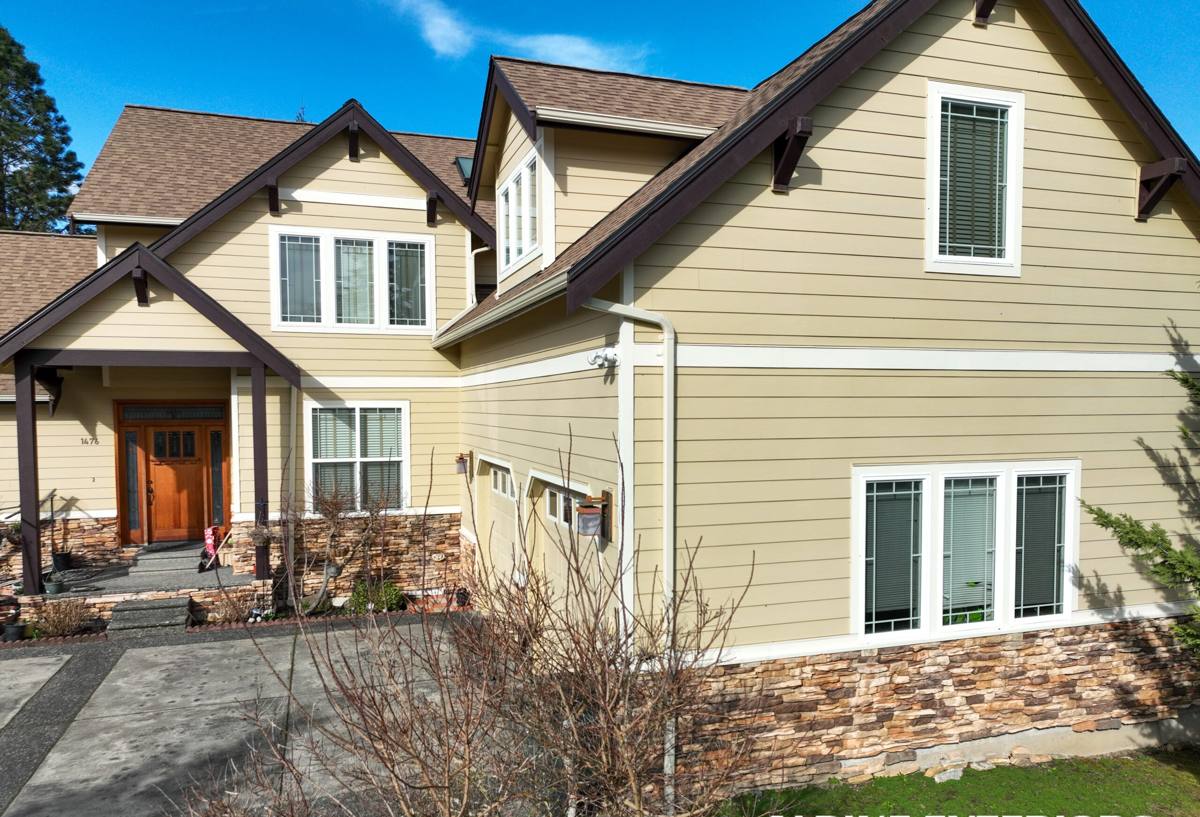
What Local Homes Are Actually Up Against
Moisture That Never Fully Leaves
Bellingham's marine climate means long stretches of overcast, damp weather where roofs never get a real chance to dry out between rain events. Shaded sections of a roof, north-facing slopes, and areas under overhanging trees stay wet for days at a time. That constant dampness is exactly what moss, lichen, and algae need to establish themselves, and once they take hold, they hold moisture against the shingle surface even longer, which accelerates granule loss and shortens the roof's usable life.
Wind-Driven Rain
Storms coming off the water don't just drop rain straight down, they push it sideways and up under shingle edges, around chimneys, and into any flashing detail that wasn't sealed correctly the first time. A roof that would hold up fine under a calm, straight-down rain can leak within a few seasons if the underlayment, flashing, and nailing pattern weren't built to handle wind-driven moisture from the start.
Salt Air and Corrosion
Homes closer to the water deal with airborne salt that speeds up corrosion on exposed metal: nail heads, flashing, vent caps, and gutter hardware. Standard fasteners can start rusting and losing their grip years before they would inland, which is why fastener choice matters more here than most homeowners realize.
Choosing the Right Shingle for This Climate
Not every asphalt shingle product is built the same way, and for a Silver Beach roof, the details that matter most are algae resistance, wind rating, and how the shingle sheds water at its edges and in valleys. We look at the specific exposure of your roof, sun, shade, wind direction, roof pitch, before recommending a product line rather than defaulting to whatever is cheapest to install.
| Shingle Type | Typical Lifespan Here | Best Fit For |
|---|---|---|
| 3-tab asphalt | 15-20 years | Budget-conscious re-roofs on simpler roof lines with good sun exposure |
| Architectural (laminated) asphalt | 25-30 years | Most Silver Beach homes; better wind rating and thicker profile handles driving rain better |
| Algae-resistant (AR) architectural | 25-30 years, slower algae staining | Shaded roofs, north-facing slopes, homes near mature trees or persistent dampness |
| Impact-rated / high-wind shingle | 25-30+ years | Exposed or elevated lots that take the brunt of storms off the water |
Lifespan figures are general ranges, not guarantees, actual performance depends on installation quality, ventilation, and how consistently the roof is maintained. We're honest about that trade-off up front rather than promising a number we can't back up.
What a Correct Installation Actually Involves
Underlayment and Moisture Barrier
The shingles are the visible layer, but the underlayment underneath is what actually keeps water out when wind pushes rain past the shingle edges. In this climate, we treat ice-and-water shield membrane at eaves, valleys, and roof penetrations as standard, not an upgrade, because those are the exact spots where wind-driven rain finds its way in first. A synthetic underlayment across the rest of the field gives a second layer of protection that a basic felt underlayment doesn't hold up as well against over time.
Flashing and Penetrations
Chimneys, plumbing vents, skylights, and roof-to-wall transitions are where most leaks actually start, not in the open field of shingles. Correct flashing means new metal formed to fit the specific detail, properly layered with the underlayment and shingle courses (not just caulked over old flashing), and fasteners chosen to resist the salt air corrosion mentioned above.
Ventilation
A roof deck that can't breathe traps moisture underneath the shingles, which shortens the life of the roof from the inside out and can lead to sheathing rot you won't see until it's a bigger problem. Balanced intake and exhaust ventilation matters as much in this damp climate as the shingle choice itself, and it's something we check and correct as part of every re-roof, not something we upsell separately.
Our Process, Start to Finish
- Inspection and estimate — We get on the roof (not just a look from the ground), check the deck condition, existing ventilation, flashing details, and any signs of moss or moisture damage, then give you a written estimate that explains what we found.
- Tear-off and deck check — Old roofing comes off down to the deck so we can actually see the wood underneath and replace any sections that are soft or water-damaged before anything new goes down.
- Underlayment and flashing — Ice-and-water membrane at vulnerable areas, synthetic underlayment across the field, and new flashing formed and installed at every penetration and transition.
- Shingle installation — Installed to the manufacturer's nailing pattern and exposure specs, which matters both for wind performance and for keeping any manufacturer warranty valid.
- Cleanup and walkthrough — Job site and yard cleared of debris and nails (we run a magnetic sweep), and we walk the finished roof with you before calling it done.
Keeping Moss and Algae From Winning the Rematch
A well-installed roof still needs some upkeep in this climate, moss and algae don't respect a good installation job if the roof is never maintained. A few habits go a long way toward protecting the investment:
- Keep gutters and valleys clear of needles and leaf debris, wet organic matter against shingles is what feeds moss growth
- Trim back overhanging branches where possible to cut down on shade and debris drop
- Have moss physically removed (not scraped aggressively, which damages granules) rather than left to spread
- Avoid pressure washing shingles, it strips protective granules and shortens the roof's life
- Schedule a roof check every year or two, especially after a hard winter, so small issues get caught before they become deck damage
Cost Factors Worth Understanding
Every roof is priced based on its own specifics, but the variables that move the number most for Silver Beach homes are consistent enough to lay out honestly.
| Factor | Why It Matters Here |
|---|---|
| Roof pitch and access | Steeper roofs and limited access (tight lots, tall trees) take longer and require more safety setup |
| Deck condition | Water damage found during tear-off means replacing sections of sheathing before shingles go on |
| Shingle grade | Algae-resistant and higher wind-rated products cost more upfront but hold up longer against this climate |
| Flashing complexity | Multiple chimneys, skylights, or roof valleys mean more custom flashing work |
| Ventilation upgrades | Adding or correcting intake/exhaust venting protects the new roof but adds labor |
We don't quote a number without seeing the roof, and we'll tell you plainly if a cheaper option isn't going to hold up given what your specific roof is dealing with.
Why a Crew That Already Works Silver Beach Matters
Roofing here isn't identical to roofing in a drier part of the state, and it isn't identical to roofing on the other side of Whatcom County either. A crew that regularly works Silver Beach and the surrounding Bellingham neighborhoods already knows which details tend to fail first in this specific moisture and salt-air environment, what local permitting expects, and how to sequence a tear-off around this region's unpredictable rain windows so your home isn't left exposed. That familiarity shows up in fewer surprises during the job and a roof that's actually built for the conditions it has to survive, not a generic install dropped into a marine climate and hoped for the best.
If you're weighing a roof replacement or just want an honest read on how much life is left in your current shingles, we're happy to take a look. Use the form below to request a free, no-pressure estimate for your Silver Beach home.