 Bellingham Exterior
 Birch Bay's Coastline Is Hard on Siding
Birch Bay sits right up against the water, and that location comes with a trade-off. The same shoreline that makes the area desirable also puts homes in the direct path of salt-laden air, wind-driven rain, and long stretches of gray, damp weather that keep siding wet for days at a time. Add in a moss season that can run from fall through spring, and it's easy to see why siding here ages differently than siding fifteen miles inland in downtown Bellingham.
Salt air is corrosive to fasteners and hard on paint film. Driving rain finds every gap, seam, and poorly lapped joint. Moss and algae take hold anywhere moisture lingers, especially on north-facing walls and under tree cover. None of this is unusual for the Pacific Northwest coast, but it means a siding product and installation that would hold up fine in a drier part of the state can fail early in Birch Bay. The material and the workmanship both have to be matched to the actual conditions on your lot, not to a generic spec sheet.
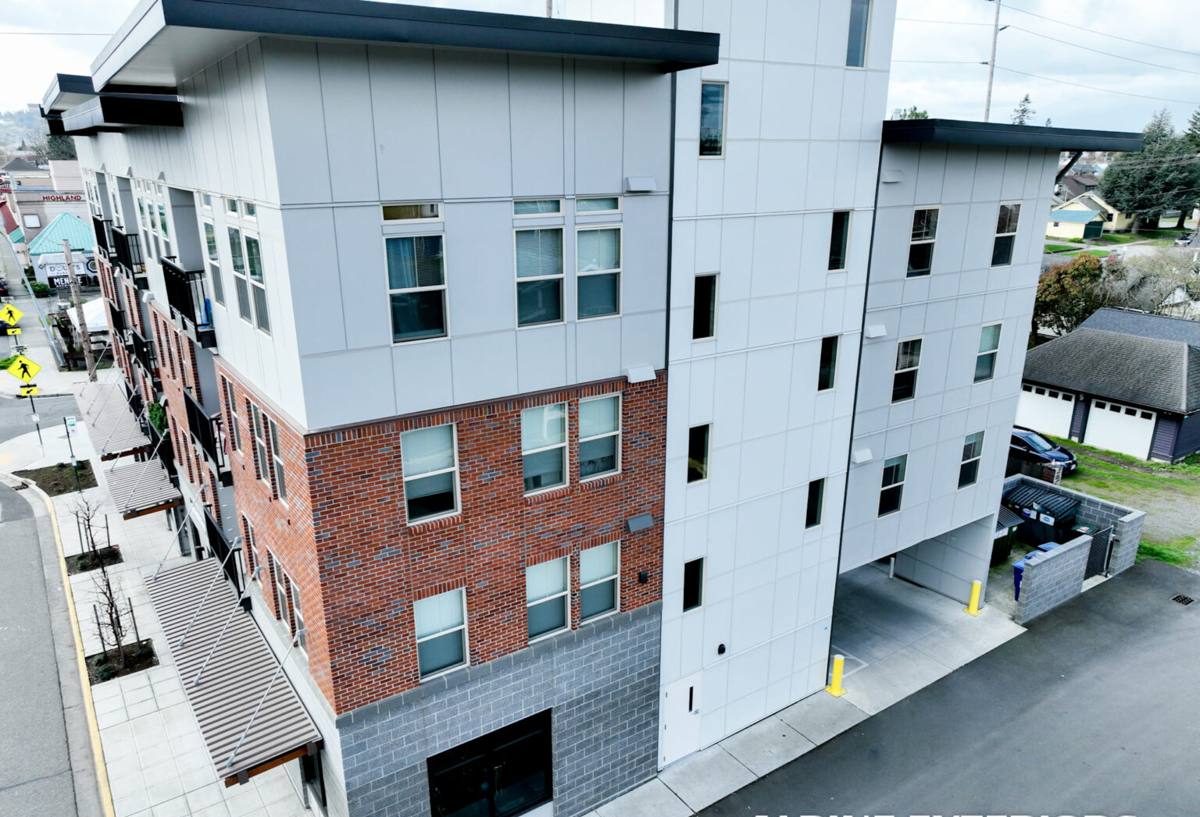
What Fiber Cement Needs to Do Here
Fiber cement is the right starting point for this climate because it's dimensionally stable, doesn't rot, and won't feed moss the way untreated wood fibers can. But "fiber cement" isn't one product — how it's engineered and finished still matters a great deal in a place like Birch Bay.
Salt Air and Coatings
Salt air accelerates the breakdown of thin or field-applied paint. A factory-applied, baked-on finish holds its color and its bond to the substrate far longer than paint rolled on after installation, which matters more here than in a low-salt inland location. Fastener choice matters too — anything that isn't corrosion-resistant will bleed rust streaks down the face of the siding within a few seasons near the water.
Moss, Algae, and Shade
Moss doesn't rot fiber cement the way it can compromise wood substrates, but it will hold moisture against the surface and stain it if left unchecked. Panel and lap siding with a smooth, factory-finished surface sheds moss more easily during a rinse or wash than rough-sawn or absorbent surfaces, and a wall assembly that lets water drain and dry out behind the siding keeps moss from ever getting the standing moisture it needs to spread.
Why We Only Install James Hardie in This Climate
We install James Hardie fiber cement exclusively, and Birch Bay is a good example of why. Hardie's HZ5 product line is engineered specifically for regions that see more moisture and freeze-thaw cycling than the hot, dry climates HZ10 products are built for — which describes Whatcom County's coastline well. The ColorPlus factory finish is baked on and warranted separately from the substrate, so you're not depending on a field-applied coat of paint to hold up against salt air for the next decade.
Hardie fiber cement is also non-combustible, which matters for insurance and for peace of mind regardless of where you live, but the bigger reason we standardized on it is simpler: it's the product we can install to a documented spec, back with a real transferable warranty, and expect to still look right in Birch Bay twenty years from now. We'd rather turn down a job than install something we don't believe will hold up to this coastline.
What a Correct Installation Involves
Fiber cement siding fails early almost exclusively because of installation mistakes, not because the material itself gave out. In a high-moisture, high-wind coastal setting, the details that get skipped on a rushed job are exactly the ones that matter most.
Drainage and Rain Screen Details
Water-resistive barrier, properly lapped and taped, goes on before any furring or siding. A drainage gap behind the siding lets bulk water that gets past the cladding drain out and lets the wall assembly dry rather than trap moisture against the sheathing. Flashing at every window, door, and horizontal transition has to be integrated with the barrier in the correct shingle-lap order, not just caulked over as an afterthought.
Fastening and Joints
Corrosion-resistant fasteners, driven at the manufacturer's specified pattern and depth, keep panels secure without cracking the material or over-driving through it. Butt joints get factory-cut or field-cut cleanly and backed or sealed per Hardie's published details, with gaps left where the manufacturer specifies for expansion — not caulked wall-to-wall, which traps water instead of shedding it.
Our Process for Birch Bay Projects
We start with an on-site look at the existing wall assembly, not just the visible siding. On homes near the water, we pay close attention to sheathing condition around windows, at the base of walls, and anywhere staining or soft spots suggest water has already been getting in. That tells us whether this is a straightforward re-side or whether sheathing repair needs to happen first — installing new siding over compromised sheathing just hides a problem instead of fixing it.
From there we plan the tear-off, barrier and flashing work, and installation around Birch Bay's weather rather than around a generic schedule, since a stretch of driving rain can shut down exterior work for days at a time on this stretch of coast. Every job gets a final walk-through against the manufacturer's installation checklist before we call it done, because the difference between siding that lasts and siding that doesn't usually comes down to details that aren't visible once the job is finished.
How Fiber Cement Compares for This Climate
Homeowners in Birch Bay often ask how fiber cement stacks up against the alternatives once you factor in salt air and a long wet season. Here's how the common options compare on the specific stresses this location puts on a wall.
| Factor | James Hardie Fiber Cement | Vinyl | Wood / Engineered Wood |
|---|---|---|---|
| Moisture and rot resistance | Won't rot; engineered for moist climates (HZ5) | Won't rot, but can warp or gap, letting water behind it | Vulnerable to rot and moisture swelling without diligent upkeep |
| Salt air / coating durability | Factory-baked ColorPlus finish, separately warranted | Color is through-body but can fade and become brittle | Field-applied paint or stain breaks down faster near salt air |
| Moss and algae resistance | Smooth surface sheds moss easily when rinsed | Sheds moss but seams and channels can trap debris | Absorbent surface holds moisture, feeding moss and algae growth |
| Fire resistance | Non-combustible | Combustible, can melt or deform in heat | Combustible |
| Long-term appearance | Holds color and shape for decades when installed to spec | Can oil-can or discolor over time | Requires ongoing repainting and maintenance to look good |
Living With Fiber Cement Siding in a Salt Air, High-Moss Environment
Fiber cement is low-maintenance compared to wood, but "low-maintenance" doesn't mean "no maintenance," especially this close to the water. A little seasonal attention goes a long way toward protecting the finish and catching problems early.
- Rinse the exterior once or twice a year, especially north-facing and shaded walls, to keep moss and algae from taking hold
- Check caulking at window and door trim annually and re-caulk any cracked or separated joints before wet season sets in
- Keep gutters and downspouts clear so water isn't sheeting down wall sections it wasn't designed to handle
- Trim back vegetation and tree cover that keeps siding shaded and damp longer than it needs to be
- Watch for chalking, staining, or soft caulk lines, which are early signs a section needs attention before moisture gets behind the cladding
What Affects the Cost of Your Project
Every Birch Bay home is a little different, and cost depends on more than just square footage. These are the main factors that move a project's price up or down.
| Factor | Why It Matters |
|---|---|
| Existing wall condition | Sheathing repair or replacement adds cost but is non-negotiable if water damage is present |
| Home size and complexity | More corners, gables, and trim details mean more labor and material waste |
| Siding profile and accessories | Lap width, trim boards, and accent details change material cost per square foot |
| Access and site conditions | Waterfront lots, slopes, and limited staging space can affect labor time |
| Tear-off vs. overlay | Full removal of old siding costs more up front but avoids trapping moisture issues |
Why It Matters That We Already Work in Birch Bay
A crew that mainly works drier, inland jobs can install fiber cement correctly by the book and still get surprised by how this coastline behaves — how fast moss comes back on a shaded wall, how much wind-driven rain a west-facing elevation actually takes, or how a slab that seemed dry in July holds moisture come November. Working this area regularly means we're not guessing at those conditions; we're building around what we've already seen hold up and what hasnns't.
That local familiarity also shows up in smaller ways — knowing which details on a Whatcom County coastal home tend to need extra attention, planning around the area's weather patterns instead of a generic schedule, and being straightforward with you about what your specific site actually needs rather than a one-size-fits-all package.
If you're weighing a siding project for a home in Birch Bay, we're happy to take a look and talk through what it actually needs — no pressure, no hard sell. Fill out the form below to schedule a free estimate.