 Bellingham Exterior
 Building New in Birch Bay Means Building for the Water and the Wind
Birch Bay sits right where Puget Sound weather earns its reputation — onshore wind, salt-laden air, and driving rain that comes in sideways more often than straight down. New construction gives you one real advantage over a retrofit: you get to build the window openings correctly from the start, before siding, trim, and interior finishes lock everything in place. That advantage only pays off if the install itself is done right the first time, because once the house is closed in, fixing a bad window opening means tearing back into finished work.
Homes in Birch Bay and the surrounding Whatcom County coastline deal with a longer wet season than most of the state, plus the corrosive effect of salt air on hardware, fasteners, and finishes. Add the moss and algae growth that comes with near-constant moisture, and you've got a building envelope that needs to shed water aggressively and keep it moving — not just resist it in a lab test.
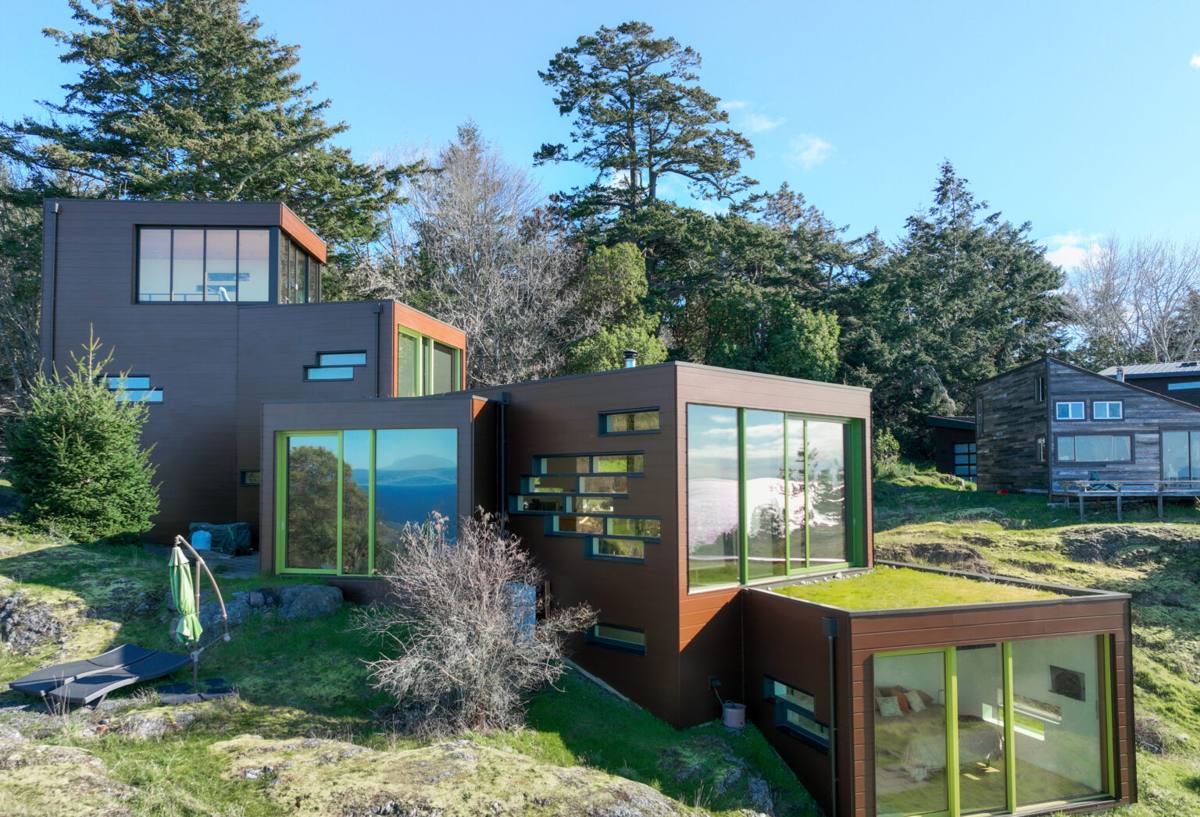
What "Correct" Looks Like for New-Construction Window Openings
New-construction windows are built with a nailing fin (also called a flange) around the perimeter of the frame. That fin gets fastened directly to the sheathing and integrated into the weather-resistive barrier before siding goes on. Done well, this creates a continuous drainage plane where water that gets behind the siding has a clear path down and out, instead of pooling at the window.
The sequence matters more than the window brand
We've seen good windows fail because the flashing sequence was wrong, and mid-grade windows perform for decades because the opening was built correctly. The order of operations — house wrap, sill pan, window, flashing tape, head flashing — has to happen in the right layers, lapped so water always moves downward and outward, never getting trapped behind a layer above it.
- Rough opening framed square, level, and slightly oversized for shim space
- Sill pan flashing installed and sloped to drain to the exterior, not just flat
- Window set, shimmed, and fastened per the manufacturer's structural requirements
- Jamb and head flashing lapped correctly over the weather-resistive barrier
- Sealant used only where specified — not as a substitute for proper flashing
- Interior air seal completed separately from the exterior water seal
Choosing Frame Materials for a Coastal Whatcom County Build
Salt air is hard on metal hardware and can accelerate wear on lower-grade finishes over time. It doesn't rule out any particular frame material, but it does change what we recommend prioritizing: corrosion-resistant hardware, factory finishes rated for coastal exposure, and glazing seals built to handle sustained moisture rather than occasional rain.
| Frame Material | Coastal Performance | Maintenance | Typical Fit |
|---|---|---|---|
| Vinyl | Good — won't corrode or rot, seams need quality welds | Low — occasional cleaning | Most budget-conscious new builds |
| Fiberglass | Very good — stable in temperature swings, holds finish well | Low | Higher-end builds, larger openings |
| Wood-clad | Good on the exterior clad face; interior wood needs protection from condensation | Moderate — cladding protects, but joints need inspection | Traditional or high-end interior finish |
| Aluminum | Requires a thermal break and marine-grade or well-coated hardware to resist salt corrosion | Moderate — watch fasteners and hinges | Modern designs, large glass areas |
None of these is wrong for Birch Bay. What matters more than the material itself is the hardware grade, the quality of the corner welds or joints, and whether the installer actually follows the flashing sequence above. We'll talk through trade-offs based on your design, budget, and how exposed the specific elevation is to prevailing wind and rain.
Glazing and Performance for This Climate
Whatcom County's climate doesn't demand extreme cold-weather glazing packages the way inland or mountain regions do, but the long wet season and coastal wind load are real factors. For new construction here, we typically look at:
- Double-pane, low-E glass with argon fill as a baseline for most rooms
- Higher U-factor ratings on north- and west-facing elevations that catch the worst of the wind-driven rain
- Tempered glass where code requires it — near doors, low sills, and wet areas
- Weep systems that stay clear so condensation and wind-driven moisture can actually drain
We size the glazing package to the elevation, not just the house as a whole. A window on the exposed side of a Birch Bay lot facing open water or wind fetch is a different decision than one tucked on a sheltered side.
Our New-Construction Window Process
We coordinate directly with the builder or general contractor, because window timing has to line up with framing inspection, house wrap, and siding schedules. Rushing the window install to keep a broader schedule on track is one of the most common ways coastal builds end up with callbacks two or three winters later.
- Review the plans and rough openings before framing is closed up, catching sizing or header issues early
- Confirm window specs and quantities against the actual openings, not just the plan set
- Install sill pan flashing and verify drainage slope on every opening
- Set and fasten windows to manufacturer structural specs
- Integrate flashing tape and housewrap in the correct shingle-lap order
- Walk every opening before siding covers it, checking for gaps, square, and proper seal
- Final interior trim and air-sealing once the building is closed in
That mid-process walk-through before siding goes on is the step that gets skipped most often on tight schedules. We don't skip it — it's the last chance to fix a flashing error for free instead of after the wall is finished.
Moss, Algae, and Long-Term Exterior Care Around Windows
Whatcom County's wet season keeps north-facing and shaded surfaces damp for long stretches, which is exactly what moss and algae need to take hold. Around windows, this shows up as growth on sills, in trim reveals, and on head flashing where water sits instead of draining. It's mostly cosmetic, but trapped organic growth can hold moisture against caulk joints and trim longer than it should.
Good drainage design — sloped sills, clear weep paths, drip caps that actually throw water clear of the wall below — reduces how much moss and algae takes hold right at the window in the first place. It's another reason the flashing details matter as much as the window unit itself.
Cost Factors for New-Construction Window Installation
Pricing on new-construction windows depends on more than the window units themselves. Here's what typically moves the number on a Birch Bay project:
| Factor | Why It Matters |
|---|---|
| Window count and size | Larger openings and more units mean more flashing, labor, and material |
| Frame material and glazing package | Fiberglass and upgraded glazing cost more than baseline vinyl |
| Elevation exposure | Openings on the windward side may warrant upgraded flashing details or glazing |
| Site access and timing | Coordinating around framing and siding crews affects scheduling and labor efficiency |
| Special shapes or large spans | Custom sizes, corner units, or large multi-panel assemblies add cost and install time |
We give straight numbers based on the actual plan set and window schedule, not a rough square-footage guess — new-construction pricing varies too much project to project for anything else to be honest.
Questions to Ask Before You Hire for a New Build
New-construction window work is easy to do quickly and hard to do correctly. Before you sign a contract, it's worth confirming a few things directly with whoever's bidding the work:
- Will you install sill pan flashing on every opening, or only where "needed"?
- Who inspects the openings before siding goes on — and will I get to see it?
- Are you following the window manufacturer's written installation instructions, since that's usually tied to the warranty?
- How do you handle coordination with the framer and siding crew so timing doesn't get rushed?
- What's your plan for openings on the most wind- and rain-exposed elevation of the house?
Why a Crew That Works Birch Bay Regularly Is Worth It
General contractors and builders bring in specialty trades for a reason — window flashing done wrong is one of the most common sources of hidden water damage in new homes, and it doesn't show up until years later when it's expensive to fix. A crew that's installed windows across Bellingham and the Whatcom County coastline knows which elevations in Birch Bay take the worst weather, how the wet season affects drying time between installation steps, and where the moss and moisture issues typically start. That's not something you learn from a manufacturer's install manual — it comes from doing the work in this specific climate, repeatedly.
If you're planning a new build or an addition in Birch Bay, we're happy to look at your plans and walk through window specs, timing, and budget with you. Reach out for a free, no-pressure estimate using the form below.