 Bellingham Exterior
 Why Siding Repair Looks Different in Puget
Homes in the Puget area near Bellingham take a different kind of beating than homes twenty miles inland. Sitting close to the water means salt-laden air working on fasteners and trim year-round, driving rain that comes in sideways during winter storms, and a moss season that can stretch from October well into spring. None of that shows up overnight. It shows up as a soft spot behind a downspout, a seam that's opened up on the north wall, or a patch of siding that never quite dries out between rains. Siding repair out here isn't just patching a hole — it's figuring out what the climate has been doing to the wall assembly and fixing that, not just the cosmetic damage on top.
A lot of siding repair calls we get start as a small cosmetic complaint and turn into something more once we're up close. That's normal for this area. The goal of a proper repair isn't to make the wall look fixed for a season — it's to stop the moisture pathway that caused the damage in the first place.
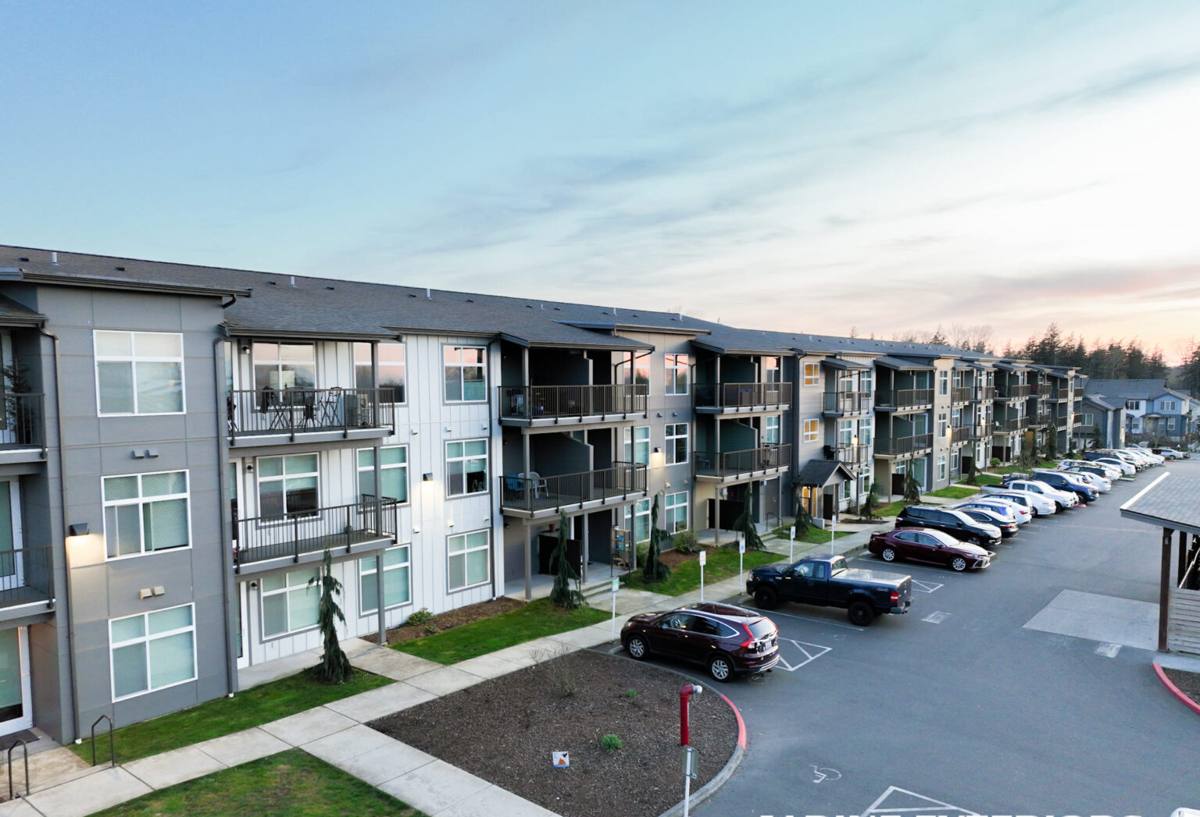
Signs Your Puget Home Needs Siding Repair
Most homeowners notice one obvious problem and call about that. It's worth checking the rest of the exterior at the same time, because damage in this climate rarely stays isolated.
- Soft, spongy, or bubbling spots when you press on the siding, especially low on the wall or under windows
- Visible cracking or splitting, particularly around butt joints and corners
- Persistent moss, algae, or dark streaking that keeps coming back after cleaning
- Paint that's peeling, bubbling, or failing in patches rather than evenly across the wall
- Gaps or separation at trim, corner boards, or where siding meets window and door casing
- Rust streaks below fasteners or metal flashing
- A musty smell or visible staining on interior walls that back up to exterior siding
- Warping or bowing panels, most common on walls that face prevailing wind and rain
Any one of these on its own might be minor. Two or three together, especially on the same wall, usually means water has been getting behind the siding for a while.
What's Actually Damaging Siding Out Here
Salt air
Salt in the air accelerates corrosion on anything metal — nail heads, flashing, screws, hose bibs, light fixtures mounted to the siding. Once a fastener starts to corrode, it loses its grip, and a siding panel that's no longer held tight is a panel that flexes in the wind and lets water work its way in around the fastener hole. This is one of the more overlooked causes of repeat siding failure near the water, because the siding material itself can look fine while the fasteners underneath it are failing.
Driving rain
Wind-driven rain doesn't behave like a normal downpour. It pushes water sideways and upward into laps, seams, and butt joints that were only ever designed to shed water moving straight down. Walls facing the prevailing weather take the worst of it, which is why we often find damage concentrated on one or two sides of a house rather than spread evenly around it.
Moss season
A long, cool, wet stretch of the year gives moss and algae time to establish on siding, trim, and especially anywhere shaded or slow to dry — under eaves, behind shrubs, on north-facing walls. Beyond the cosmetic issue, moss holds moisture against the siding surface far longer than open air would, which is exactly the condition that leads to soft, saturated substrate underneath paint or coating.
Repair or Replace? How We Sort That Out
Not every damaged section needs a full re-side, and we're not going to tell you it does. But a repair that only addresses the surface, without checking what's happening behind it, tends to fail again within a season or two. Here's roughly how we think through it on a Puget-area home:
| What we find | Typical cause | Usual approach |
|---|---|---|
| Isolated soft spot, substrate underneath is sound | Localized moisture intrusion, caulk or flashing failure | Spot repair — remove and replace the affected panels |
| Soft or rotted sheathing behind the siding | Long-term water intrusion, often from a failed weather barrier | Open the wall, dry and repair sheathing, then re-side that section |
| Fastener corrosion across a wide area | Salt air exposure over years | Re-fastening or panel replacement, depending on how widespread it is |
| Persistent moss/algae with sound substrate | Shade, poor airflow, moisture retention | Clean, treat, and address airflow/drainage — often no panel replacement needed |
| Damage on multiple walls, aging original siding | Material nearing end of service life | Full replacement usually makes more sense than repeated repairs |
We'll always tell you honestly which category your home falls into, including when a repair is genuinely the right call and a full re-side would be overkill.
What a Correct Repair Actually Involves
A repair that just covers the visible damage and leaves the underlying cause in place is the most common reason siding problems come back. On every repair we do, the process includes:
- Removing enough siding to see the real extent of the damage — not just the section that looks bad, but far enough around it to find where the moisture path stops.
- Checking the sheathing and weather-resistive barrier underneath. If the barrier is torn, improperly lapped, or the sheathing is soft, that gets addressed before anything goes back on.
- Correcting flashing and drainage details at windows, penetrations, and horizontal trim — these are the spots most likely to have caused the original failure.
- Replacing damaged material with matching product, fastened and fitted to spec rather than just tacked back into place.
- Sealing and finishing to match the surrounding siding as closely as the existing material allows.
Skipping any of those steps saves time on the day of the repair and costs more the next time it rains sideways.
Why We Repair and Replace With James Hardie Only
When we're patching or replacing sections of siding, we use James Hardie fiber cement — not vinyl, not LP SmartSide, not cedar. That's true whether it's a small spot repair or a wall-wide replacement. A few reasons that matters specifically in this climate:
- Fiber cement doesn't absorb and swell with moisture the way wood-based products can, which matters in a climate that stays wet for months at a time
- It's non-combustible, which is a real consideration on top of the moisture story
- Hardie's ColorPlus factory finish holds up to UV and moisture better than field-applied paint, which reduces the repaint cycle that salt air and rain otherwise force
- Hardie's HZ5 product line is engineered for cold, wet climates specifically, which fits the Pacific Northwest better than a one-size-fits-all product
- Matching new sections into existing Hardie siding is straightforward because the product and profile options are consistent and well documented
We won't install vinyl or engineered wood siding, even for a small patch job, because we'd be putting a shorter-lived material into the exact conditions that damaged the original siding. That's not a knock on every homeowner's choice elsewhere — it's the standard we hold our own work to.
Why It Matters That We Already Work This Area
A crew that mostly works inland doesn't see driving-rain damage patterns or salt-air fastener corrosion often enough to recognize them quickly. Knowing which walls in a Puget-area home typically take the worst weather, what a moss-related soft spot looks like versus a flashing failure, and how the local weather-resistive barrier practices have changed over the years all speed up an accurate diagnosis. It also means less guesswork and fewer surprises once a wall is opened up — we've generally seen the version of the problem your house has before.
After the Repair: Keeping It From Coming Back
A correct repair should hold up for years, but a little maintenance extends that considerably in this climate. Rinse moss and algae off before it establishes rather than after. Keep gutters and downspouts clear so water isn't dumping onto or behind siding sections. Trim back vegetation that's shading a wall and keeping it from drying out. And if you notice a soft spot or a new gap at trim, get it looked at before the next wet season rather than after.
If you're seeing any of the signs above, or you just want an honest read on whether a section of your siding needs a repair or something more, we're glad to take a look. The estimate is free, there's no pressure, and you'll get a straight answer about what your home actually needs.