 Bellingham Exterior
 Why Storm Damage Shows Up Differently on Cordata Roofs
Cordata sits in north Bellingham, close enough to the water and the open flats along I-5 that roofs here take a specific kind of beating. It's not one big dramatic event most years — it's the combination of salt-laden air off the Sound, wind that comes in sideways during winter storms, and a moss season that runs longer than most homeowners expect. Any one of those on its own is manageable. Together, over several winters, they wear down flashing, loosen shingle tabs, and soften roof decking in ways that aren't always obvious from the ground.
When we talk about "storm damage roof repair" in this neighborhood, we're rarely talking about a single catastrophic event. More often it's cumulative — a windstorm lifts a few shingles, driving rain gets under the gap before anyone notices, and by the time a stain shows up on a ceiling, the damage has been progressing for weeks or months. Repairing it correctly means understanding that pattern, not just replacing what's visibly broken.
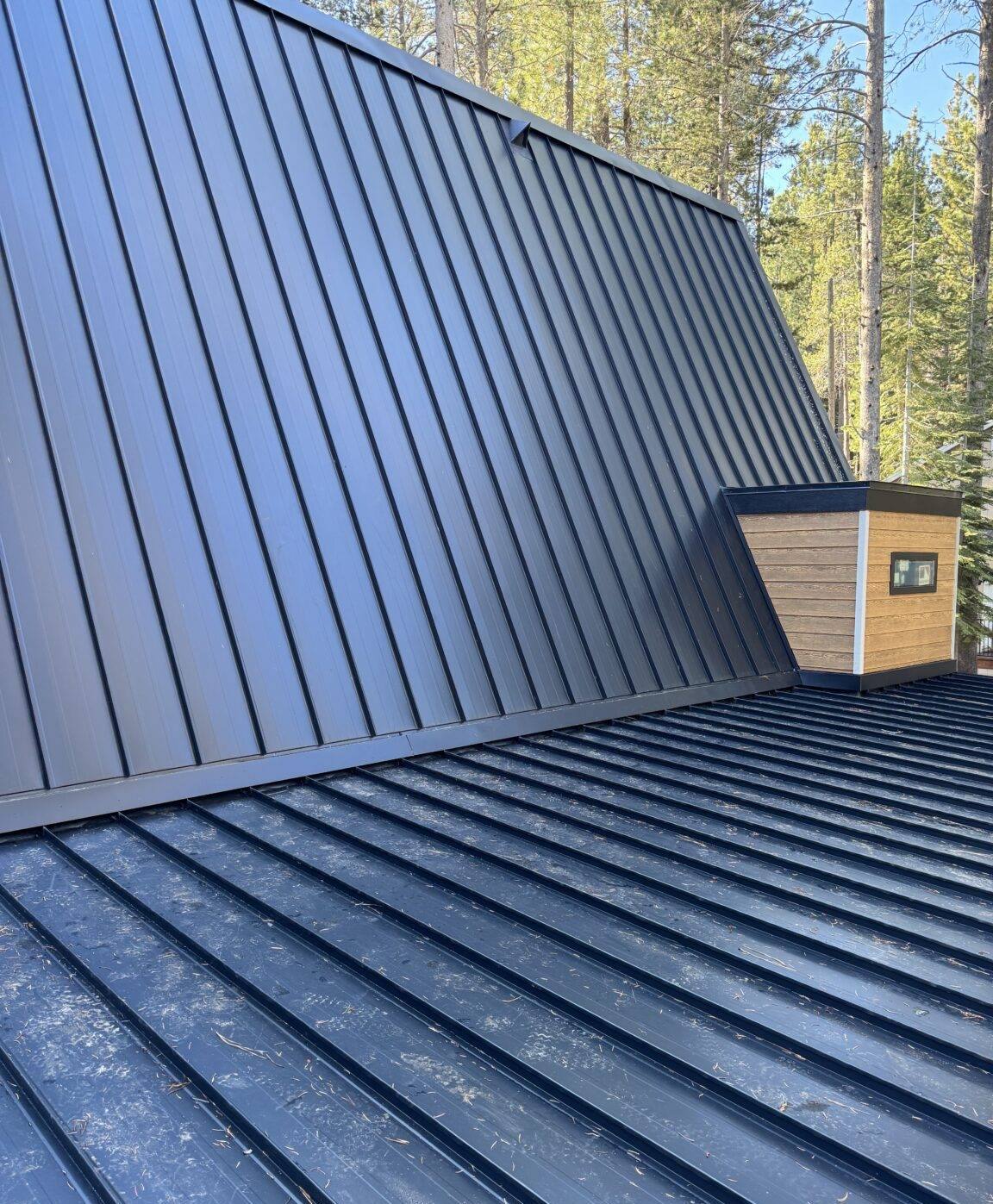
What Storm Damage Actually Looks Like Up Close
Wind and Uplift Damage
Whatcom County winter storms tend to come with sustained wind rather than short gusts, which is harder on a roof than a brief squall. Sustained wind works shingle tabs loose gradually, especially on older roofs where the adhesive strip has already weakened from years of sun and temperature swings. You'll often see this first along ridge lines, roof edges, and any area where the roofer originally under-nailed or where the shingle pattern breaks around a vent or chimney.
Wind-Driven Rain and Flashing Failures
Bellingham's storms rarely come straight down. Rain driven sideways finds every weak seam — step flashing along walls, counter-flashing around chimneys, and valley metal where two roof planes meet. These are the spots that leak long before a homeowner sees a missing shingle, because the shingles themselves can look fine while the metal and underlayment beneath them have already failed.
Moss, Debris, and Long-Term Softening
North Bellingham's shaded lots and the region's long, damp moss season mean moss and organic debris build up fast, especially on north-facing slopes and anywhere tree cover keeps a section of roof from drying out between storms. Moss holds moisture against the shingle surface and works its way under tabs and around fasteners. On its own it's a maintenance issue; combined with actual storm damage, it accelerates rot in the decking underneath.
Why "It's Just a Few Missing Shingles" Is the Wrong Frame
The visible damage after a storm — a handful of shingles in the yard, a lifted ridge cap, a dented vent — is usually the smallest part of the problem. What matters more is what happened underneath while that section was exposed. Water doesn't need a big opening to do real damage; a gap the width of a pencil, left open through a few weeks of Bellingham rain, is enough to soak underlayment and start softening the plywood or OSB decking below it.
This is why we don't quote storm repairs off a photo or a quick look from the ground. A roof that looks like a simple shingle swap can turn into a decking repair once we're actually up there, and a homeowner who only budgeted for the visible fix can be caught off guard. We'd rather tell you that up front than surprise you mid-job.
What a Correct Storm Damage Repair Involves
Inspection Before Any Repair
Every repair starts with getting on the roof, not just looking at it from the driveway. We check the obvious damage first, then work outward — surrounding shingles, the flashing at the nearest penetration or wall, and the decking directly under the damaged area by feel and by sound. Soft or spongy decking doesn't always show from above; it's found by walking it and checking for give.
Matching Materials and Blending
Asphalt shingle colors shift with age and sun exposure, so a patch using brand-new shingles next to a ten-year-old roof section can stand out. We try to source a close match and place repairs where the difference will read the least, but we'll always tell you honestly if a perfect blend isn't realistic — that's a materials limitation, not something we can fix with technique.
Flashing and Underlayment — Not Just Shingles
If the shingles were compromised, the underlayment and flashing beneath them usually need attention too, even if they look intact. Reusing old flashing to save a step is a common shortcut that leads to a repeat leak the next storm season. We replace step and counter-flashing where it's been disturbed and use self-adhering membrane in valleys and around penetrations, since that's the area most likely to fail again under wind-driven rain if it's skipped.
Repair or Replace? How We Help You Decide
Not every storm-damaged roof needs a full repair, and not every repair is worth doing if the roof is close to the end of its service life anyway. These are the factors that actually drive that decision:
| Factor | Leans Toward Repair | Leans Toward Replacement |
|---|---|---|
| Roof age | Under roughly 12–15 years | Near or past manufacturer's expected lifespan |
| Extent of damage | Isolated to one slope or area | Spread across multiple slopes or recurring in the same spots |
| Decking condition | Solid, no soft spots found | Soft, delaminated, or repeated rot in multiple areas |
| Shingle match availability | Close match available | Discontinued profile or heavily faded field |
| History of leaks | First occurrence in this area | Repeated leaks in the same general location |
We'll walk you through where your roof lands on that list and give you a straight answer, even when the honest answer is "a patch will hold for now, but budget for a replacement in a few years."
Our Process for Cordata Storm Repairs
- Initial contact and a description of what you're seeing — staining, missing shingles, visible damage after a storm
- On-roof inspection, including surrounding areas and decking, not just the obvious damage spot
- Written explanation of what we found and what it will take to fix it correctly, including if we think repair isn't the right call
- Repair scheduled with materials matched as closely as available stock allows
- Final check confirming flashing, fasteners, and shingle courses are properly sealed and tied into the surrounding roof
We keep this straightforward on purpose. Storm repair work already comes with enough stress — dealing with water intrusion, sometimes an insurance claim, sometimes just the worry of "how bad is this really" — so we try not to add confusion on top of it.
Insurance Claims: What We Can and Can't Tell You
Every insurance policy and every claims adjuster is different, so we won't make promises about coverage or claim outcomes — that's between you and your insurer. What we can do is document what we find with clear photos and a written description of the damage and cause, which is the kind of documentation most adjusters ask for. If you're filing a claim, it's worth getting an inspection done before you talk to your insurer, so you know what you're actually dealing with rather than relying on a guess from the ground.
Why a Crew That Already Works Cordata and North Bellingham Matters
Storm repair isn't just a skill — it's local knowledge. A crew that regularly works Whatcom County roofs already knows which valley details tend to fail first in this area's rain patterns, when moss season realistically starts and ends here, and how local permitting and inspection expectations apply to repair work versus full re-roofs. That familiarity shows up in small decisions that matter: which flashing detail to prioritize, how much roof to open up around a damaged area, and whether a patch will actually hold through the next wet season or just delay the same call six months from now.
Before you hire anyone for storm damage repair, it's worth asking a few direct questions:
- Will you actually get on the roof, or quote from photos and a ground inspection?
- Do you check decking condition, or only replace what's visibly damaged?
- Are you licensed and insured to do roofing work in Washington State?
- Will I get a written scope before work starts, including what happens if you find additional damage?
- Do you have experience with this specific style of roof — shingle, flat, low-slope — on homes like mine?
A contractor who answers those plainly, without dodging, is generally worth trusting. One who won't get on the roof or won't put the scope in writing is a red flag regardless of price.
Reducing Damage Before the Next Storm
Once a repair is done, a little maintenance goes a long way toward keeping it that way. Clearing gutters and downspouts before the fall rains start prevents water from backing up under the roof edge. Removing moss and overhanging branches on shaded, north-facing slopes reduces the moisture buildup that softens shingles over time. And a quick visual check after any major wind event — looking for lifted tabs, displaced ridge caps, or debris caught in valleys — catches small problems while they're still small, cheap fixes instead of decking replacements.
If you're dealing with storm damage on a Cordata home, or you just want an honest read on where your roof stands before the next system rolls through, we're happy to take a look. The estimate is free, there's no pressure to book anything on the spot, and you'll get a straight answer either way.