 Bellingham Exterior
 Board & Batten in a Salt Air, Rain, and Moss Climate
Board and batten has been a Pacific Northwest favorite for generations — the vertical lines read as clean and modern on a new build, and as classic farmhouse or craftsman on an older one. In the Puget area near Bellingham, that style choice runs straight into a demanding climate: salt-laden air off the water, long stretches of driving rain, and a moss season that can run most of the year on shaded elevations. A board and batten wall that looks great in month one and starts failing at year five almost always failed because of what's underneath the boards, not the boards themselves.
This page is about doing board and batten correctly for homes in this specific area — what the climate actually does to this siding style, what a correct installation involves, and why the details matter more here than they would in a drier, calmer part of the state.
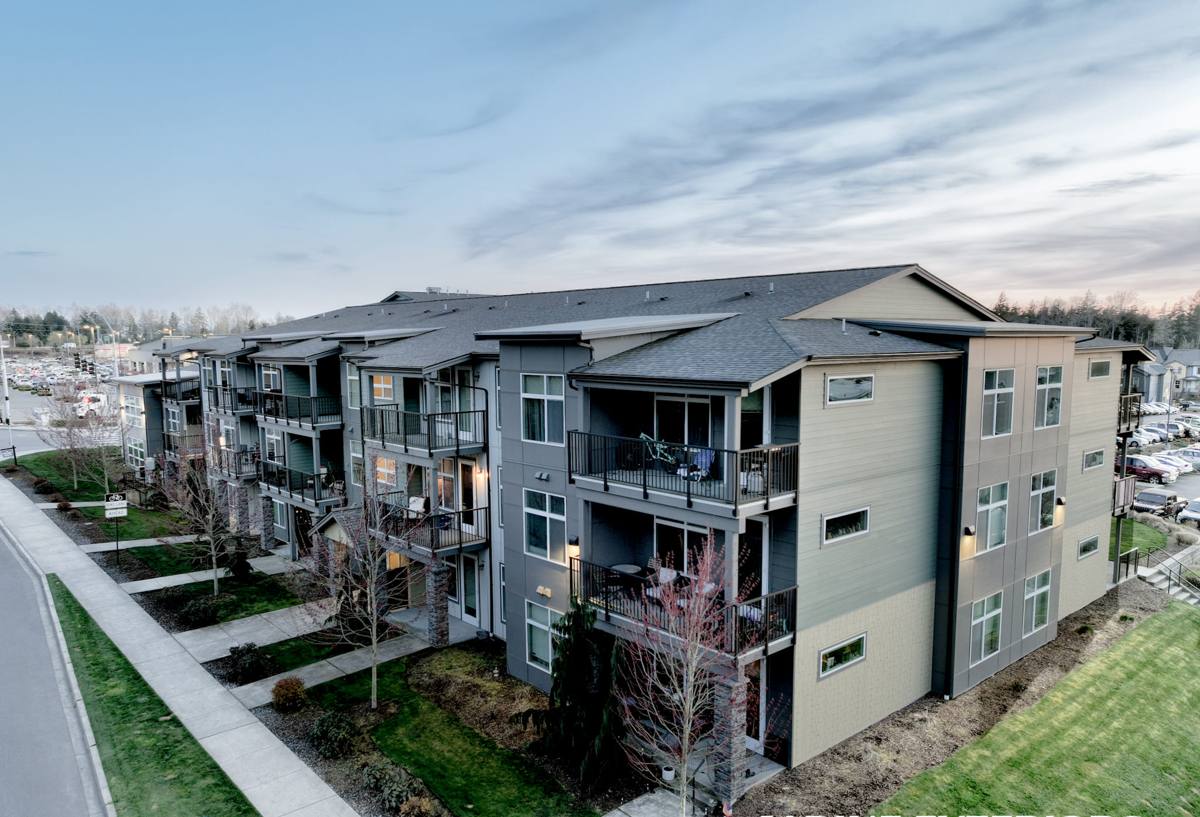
What Puget's Climate Does to Board & Batten Siding
Salt Air and Fasteners
Homes closer to the water in Whatcom County deal with airborne salt that accelerates corrosion on anything metal — nail heads, flashing, screws holding battens in place. Board and batten depends on a lot of exposed fastener points along every batten strip, so using the wrong fastener metal or spacing is a slower, quieter failure than it would be on lap siding, and it's harder to spot until staining or streaking shows up around each nail.
Driving Rain at the Seams
Board and batten is a two-layer system by design — vertical boards with a batten strip covering each seam. That seam is exactly where wind-driven rain wants to go. On exposed walls around Bellingham, rain doesn't just fall straight down; it gets pushed sideways into those joints. If the drainage plane behind the siding isn't built to handle water that gets past the battens, moisture works its way to the sheathing and framing before anyone notices a problem on the surface.
Moss Season
North-facing and tree-shaded walls in this region can stay damp for weeks at a time, especially through fall and winter. Board and batten's vertical grooves and batten shadows are ideal spots for moss and algae to establish, and once organic growth is holding moisture against the surface, any weak point in the material or the finish gets tested constantly rather than occasionally.
Why We Only Install James Hardie for This
Board and batten can be built from several materials, and each one responds differently to this climate. We standardized on James Hardie fiber cement specifically because board and batten's seam-heavy, fastener-heavy design punishes moisture-sensitive materials faster than a plain lap profile does.
- It won't rot. Fiber cement doesn't feed fungal growth the way wood-based products can, which matters directly in a climate with a real moss season.
- It holds its shape. Hardie boards and battens don't swell, cup, or telegraph seams the way some engineered wood products can after repeated wet-dry cycles.
- The finish is factory-applied. ColorPlus finish is baked on before the boards ever reach the jobsite, which gives more consistent, longer-lasting color than field-applied paint on a vertical wall that takes constant weather.
- It's non-combustible. Not a Puget-specific concern the way rain and salt are, but it's part of why we don't compromise on the material even for a style-driven job.
We don't install vinyl, LP SmartSide, primed spruce, cedar, or other fiber cement brands as board and batten. That's a deliberate standard, not a sales pitch — we'd rather turn down a lower-cost option than install something we don't expect to perform on this coastline for the long haul.
Comparing Board & Batten Material Options
| Material | Moisture behavior at seams | Finish durability | Long-term fit for this climate |
|---|---|---|---|
| Vinyl board & batten | Sheds surface water but panels can warp with heat/cold cycling | Color molded in, fades over time, can't be refinished easily | Limited — panel movement stresses seams over years |
| Cedar or primed spruce | Absorbs moisture at cut ends and seams unless meticulously sealed and maintained | Needs repainting/restaining on a real schedule | High-maintenance in a wet, mossy climate |
| LP SmartSide | Engineered wood core, sensitive to sustained moisture exposure at unsealed edges | Factory finish, but edge sealing is critical and installation-dependent | Workable if installed and maintained precisely, but less forgiving of error |
| James Hardie fiber cement | Non-combustible, won't rot; performance depends on correct rain-screen detailing behind it | Factory-baked ColorPlus finish, long service life | Our standard for this coastline |
What a Correct Board & Batten Job Actually Involves
The material only matters if the assembly behind it is right. Board and batten hides more of the wall than lap siding does, which means mistakes are easier to bury and harder to catch later.
Drainage Plane and Rain Screen Gap
A proper installation includes a water-resistive barrier and a gap that lets bulk water that gets past the boards drain back out and lets the wall breathe. On homes exposed to driving rain off the water, skipping or shortcutting this gap is the single biggest reason board and batten fails early in this region.
Flashing at Every Transition
Windows, doors, roof lines, and the base of the wall all need flashing detailed to shed water outward, not trap it behind the siding. Board and batten's vertical run means water traveling down the wall has more distance to cover before it hits a horizontal transition — every one of those needs to be right.
Fastener Placement and Spacing
James Hardie publishes specific fastener spacing and placement requirements for board and batten assemblies, and following them isn't optional. Under-fastened or improperly spaced boards move more in wind and temperature swings, which stresses the seams the battens are supposed to protect.
Batten and Seam Treatment
Battens need consistent reveal, correct fastening through to framing or proper backing, and attention to how each seam is sealed or detailed per manufacturer specs. This is where a rushed crew cuts corners, and it's exactly the spot Puget's driving rain tests hardest.
Our Process on Board & Batten Jobs in This Area
- Wall assessment first. Before we talk siding, we look at what's happening behind the existing wall — moisture readings, signs of past leaks, condition of sheathing where it's exposed.
- Detailing plan. We map out flashing, rain screen approach, and fastener schedule for the specific exposure of your walls — a shaded north wall and a wind-exposed west wall don't get treated identically.
- Installation to spec. Boards, battens, and flashing go in following James Hardie's published fastening and clearance requirements, not shortcuts.
- Final inspection. We walk the finished wall checking reveals, seams, and flashing lines before calling the job done.
Living With Board & Batten Here: Maintenance That Actually Matters
A correctly installed Hardie board and batten wall is low-maintenance, not no-maintenance. In this climate, the few things worth staying on top of are:
- Rinsing moss and algae off shaded or north-facing sections before it builds up thick enough to hold moisture against the surface
- Keeping gutters clear so overflow doesn't run down the wall and concentrate water at specific seams
- Checking caulking at trim and penetrations every couple of years — caulk is a maintenance item, the siding material and flashing are the long-term protection
- Trimming back vegetation that keeps a wall shaded and damp longer than it needs to be
Why Hiring a Crew That Already Works This Area Matters
Board and batten done well requires judgment calls — how much rain screen gap a particular exposure needs, which walls need extra flashing attention, how aggressive the moss growth is likely to get on a given elevation. Those judgment calls are easier to get right when a crew has already worked houses with the same wind exposure, the same salt air, and the same moss patterns as yours. A contractor who mostly builds inland, in a drier or calmer climate, is guessing at details that a Bellingham-area crew treats as routine.
Questions Worth Asking Before You Sign a Contract
- Will you show me the rain screen and flashing detail you plan to use, not just the siding brand?
- What fastener spacing and type will you use, and does it match James Hardie's published requirements?
- How will you handle transitions at windows, the roofline, and the base of the wall?
- What does your warranty cover, and is it backed by the manufacturer or just your labor?
- Have you installed board and batten on homes with similar sun/shade and wind exposure to mine?
If your home in the Puget area is due for new siding, or your current board and batten is showing moss, staining, or soft spots at the seams, we're glad to take a look and talk through what's actually going on with the wall. Reach out for a free, no-pressure estimate — the form below gets you started.