 Bellingham Exterior
 Window Replacement in Cordata: Built for Whatcom County Weather
Cordata sits in north Bellingham, close enough to the water and the Nooksack lowlands to catch the same weather pattern that defines this whole stretch of Whatcom County: long, wet winters, wind-driven rain off the Strait, and a moss season that seems to start earlier every year. Windows here don't fail because of one big storm. They fail slowly, from years of moisture working into places it was never supposed to reach. A window replacement done right in Cordata has to account for that reality from the first measurement to the final bead of sealant, not just swap old glass for new.
This page is about window replacement specifically for Cordata homes — what the local climate does to windows over time, what a correct installation actually involves, and how our process works when we're on your property.
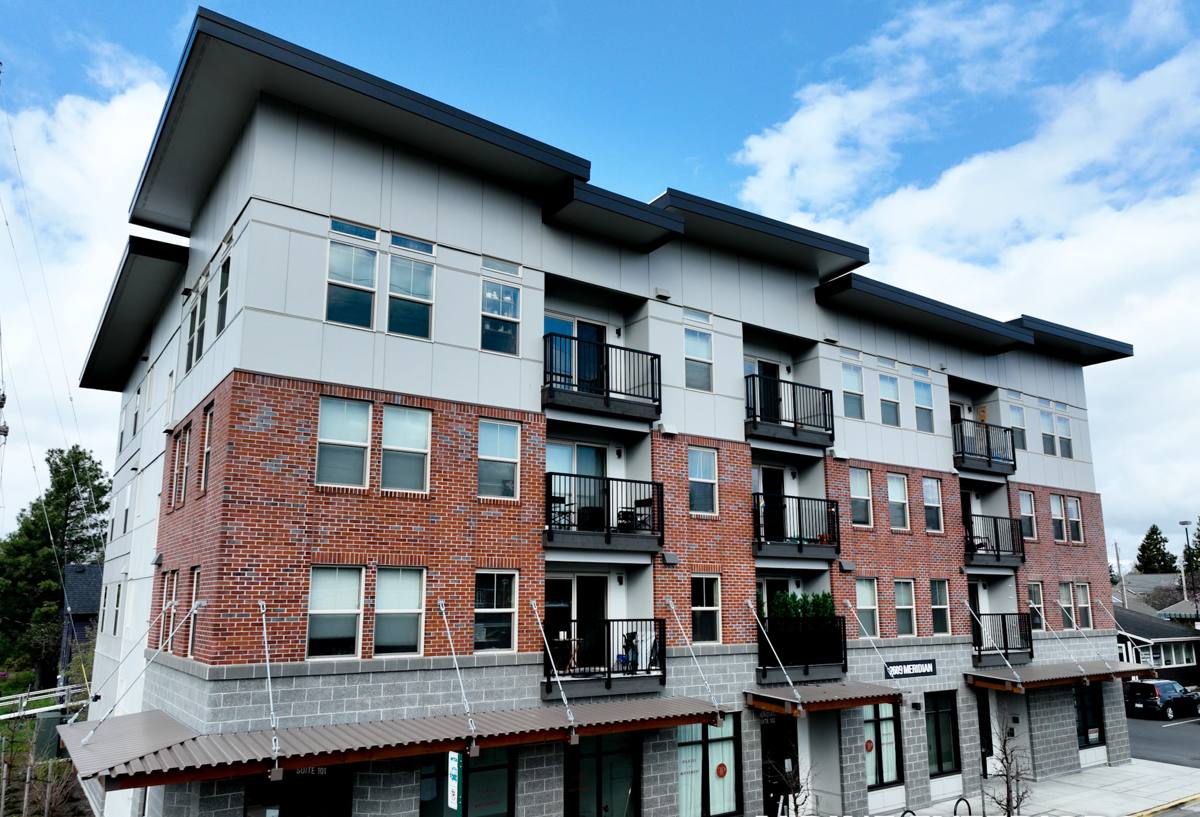
Why Cordata Homes Wear Out Windows Differently
Cordata has a mix of housing stock — newer developments built from the 1990s through the 2000s alongside some older homes scattered through the neighborhood. That mix matters for window replacement, because the failure points aren't the same across ages of construction.
Newer construction
Homes built in the last few decades often have original vinyl windows that were adequate when installed but were never top-tier products to begin with. Seals fail, double-pane glass fogs between the panes, and vinyl frames can warp or discolor after enough seasons of freeze-thaw and UV exposure — even in a climate as mild as ours. The frames themselves usually aren't the weak point; the seals and the original flashing detail around them are.
Older homes
Where original single-pane or early dual-pane wood windows are still in place, the wood itself is often the concern — soft spots at the sill, paint failure exposing bare wood to rain, and drafts that have only gotten worse. In these cases, replacement is usually less about energy codes and more about stopping ongoing moisture damage before it spreads into the surrounding wall framing.
Signs Your Cordata Home Needs Window Replacement
Most homeowners call us after noticing one obvious problem, but a proper inspection usually turns up two or three more. Here's what we look for and what you can check yourself:
- Fogging or moisture trapped between panes of double-glazed windows — a sign the seal has failed and can't be repaired, only replaced
- Visible gaps, drafts, or a noticeable temperature difference near the window frame on cold, windy days
- Soft, discolored, or spongy wood at the sill or lower corners of the frame
- Difficulty opening, closing, or latching — often a sign the frame has shifted or warped
- Moss or dark streaking on the exterior trim or siding directly around the window, which points to water running somewhere it shouldn't
- Paint bubbling or peeling on interior trim near the glass, which usually means moisture is getting into the wall cavity, not just the window itself
- Rising energy bills without any other clear cause
What a Correct Window Replacement Job Actually Involves
Window replacement looks simple from the outside — take the old window out, put the new one in — but the details that actually determine whether it holds up through a Whatcom County winter happen where you can't see them.
Flashing and the moisture barrier
The single biggest factor in a window's long-term performance here isn't the window itself, it's how the opening is flashed and integrated with the house wrap or building paper behind the siding. Rain in this region doesn't just fall straight down — driving rain off the Strait hits window openings at an angle, and if the flashing isn't lapped correctly with the water-resistive barrier, water gets behind the trim and into the wall before you ever see a stain indoors. We treat this step as the most important part of the job, not an afterthought.
Frame prep and shimming
A new window has to be plumb, level, and square in the opening, with proper shimming so the frame doesn't rack over time. A window installed slightly out of square will bind, leak at the corners, and wear its weatherstripping unevenly — problems that show up years down the road, not on install day.
Sealant and insulation
The gap between the window frame and the rough opening needs to be insulated and sealed with the right materials — not overfilled with expanding foam that can bow the frame, and not left with gaps that create a direct path for drafts and moisture.
Interior and exterior trim
Finish work matters too. Exterior trim needs to shed water away from the window, not channel it toward the frame, and interior trim needs a clean, tight fit that doesn't hide a sloppy install behind fresh caulk.
Window Types and Materials: What Holds Up Here
There's no single "best" window for every Cordata home — it depends on your budget, your home's age and style, and how much upkeep you want to take on. Here's an honest comparison of the main options we work with:
| Material | Moisture performance | Maintenance | Typical cost tier |
|---|---|---|---|
| Vinyl | Good when installed correctly; frame itself won't rot | Low — occasional cleaning | Lower |
| Fiberglass | Excellent — dimensionally stable in wet, temperature-swinging climates | Low | Mid to upper |
| Wood-clad | Good on the exterior-clad side; interior wood needs protection from condensation | Moderate — interior finish upkeep | Upper |
| Aluminum | Prone to condensation and thermal transfer in our climate unless thermally broken | Low, but moisture management is a real concern | Varies |
Our default recommendation for most Cordata homes is vinyl or fiberglass for the balance of upfront cost, low maintenance, and reliable moisture performance in a marine climate. We're upfront that aluminum-frame windows without a thermal break tend to sweat and lose efficiency here, which is a maintenance and comfort trade-off worth knowing before you choose — not a knock on any specific brand, just how that material behaves in our weather.
Our Process for Cordata Window Replacement Projects
- On-site assessment — we look at every window you want replaced, plus the surrounding trim, siding, and sill condition, so we're not just quoting the glass
- Honest scope and estimate — what needs replacing now, what can wait, and why
- Material selection — walking through frame material, glazing package, and grille or style options that fit your home
- Removal and opening prep — including a check for hidden moisture damage before the new window goes in
- Correct flashing and installation — plumb, level, square, and properly integrated with your home's water-resistive barrier
- Insulation, sealing, and trim finish — inside and out
- Final walkthrough — operation check on every window, cleanup, and a look at the finished work together
Cost Factors for Window Replacement
Every Cordata home is different, so we don't quote sight unseen — but these are the main factors that move a project's price up or down:
| Factor | Why it matters |
|---|---|
| Number of windows | Per-window cost typically drops as the project scope grows |
| Frame material | Vinyl is generally the most budget-friendly; fiberglass and wood-clad cost more upfront |
| Opening condition | Rot repair or reframing adds labor beyond a straightforward swap |
| Access and window height | Second-story or hard-to-reach windows take more setup time |
| Glazing package | Low-E coatings and gas fills add cost but improve comfort and efficiency |
| Trim and siding tie-in | Matching existing trim profiles or repairing siding around the opening affects labor |
We'll walk you through where your project falls on these factors during the estimate, so there are no surprises once work starts.
Why Hire a Crew That Already Works in Cordata
A crew that regularly works this neighborhood already knows the housing stock — which builders used which window products through the '90s and 2000s, where flashing tends to fail first on homes of that era, and how the local exposure to wind-driven rain and moss growth shows up on north Bellingham homes specifically. That familiarity means fewer surprises once we open up an old window, and a more accurate estimate from the start. It also means we're not guessing at how a house in this microclimate behaves — we've already seen it.
Energy Efficiency and Long-Term Value in a Marine Climate
New windows are often sold on energy savings alone, and that's a real benefit — modern glazing packages cut drafts and heat loss noticeably compared to older single or early double-pane units. But in Whatcom County, the bigger long-term value is often moisture control. A window that's properly flashed and sealed stops water from reaching your framing, which protects the structure around it for decades, not just your heating bill this winter. We treat both as part of the same job, because in this climate they're connected.
If you're weighing whether it's time to replace windows on your Cordata home, we're happy to take a look and give you a straightforward assessment — no pressure, no upsell, just an honest read on what your windows need. Reach out for a free estimate using the form below.