 Bellingham Exterior
 Custom Decks in Barkley, Built for the Weather That's Actually Here
Barkley sits close enough to Bellingham Bay and the surrounding evergreen tree cover that any outdoor structure has to deal with three things year-round: salt-laden air off the water, long stretches of driving rain, and a moss season that can run from fall through spring. A deck that looks great the day it's finished but wasn't built with those conditions in mind will start showing problems within a couple of years — soft spots, black streaking, loose fasteners, slick surfaces. We build decks in this neighborhood specifically to hold up to that combination, not to a generic national spec that assumes a drier climate.
This page is about custom deck construction specifically for Barkley homeowners — what the local conditions demand, what a properly built deck actually involves under the surface, and how we run the job from first conversation to final walkthrough.
What Barkley Homes Need From a Deck
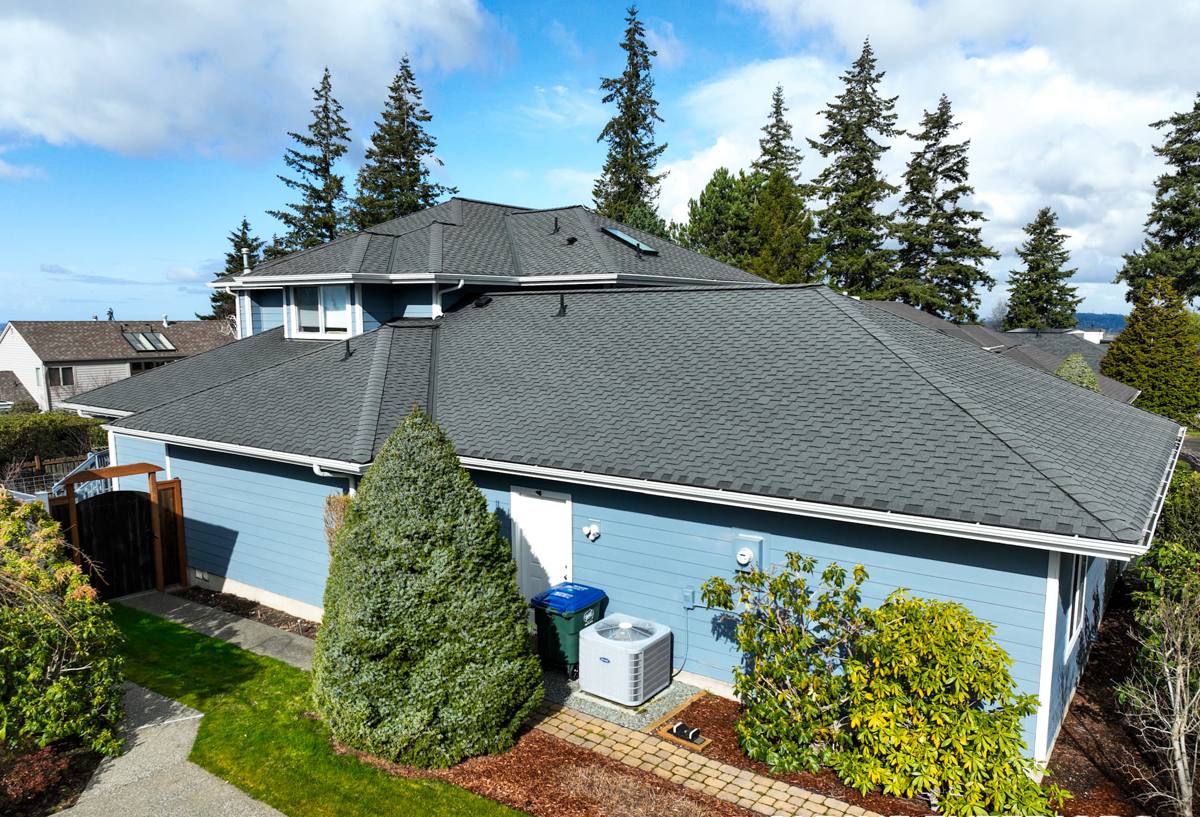
Barkley is a mix of newer single-family homes and townhomes built up over the past few decades, many with mature landscaping and tree cover close to the house. That's good for privacy and shade, but it also means decks here tend to get less direct sun and more standing dampness than a deck out in the open. Combined with proximity to the bay, this creates a few recurring realities:
- Shaded and partially shaded decks stay damp longer after rain, which speeds up moss, algae, and mildew growth on horizontal surfaces.
- Salt air corrodes untreated or poorly coated fasteners and hardware faster than it would further inland.
- Heavy, sustained rain events push a lot of water through ledger connections and framing joints — the parts of a deck you don't see once it's built.
- Whatcom County's freeze-thaw swings, while not extreme, still stress footings and fastener joints over time if drainage isn't handled correctly.
None of this means a deck can't last decades in Barkley. It means the build has to account for moisture management from the ground up, not just pick a decking board and call it done.
Sun Exposure and Layout
Before we talk materials, we look at how much direct sun a given deck footprint actually gets through the day and across seasons. A deck tucked under tree cover on the north or east side of a house needs different drainage and material choices than one that gets full afternoon sun. We factor this into the design, not just the construction.
Choosing the Right Decking Material for This Climate
There's no single "best" decking material — there's a best material for your specific site, budget, and how much maintenance you actually want to do. Here's how the common options hold up under Bellingham's marine climate specifically:
| Material | Moisture Performance | Maintenance | Typical Lifespan Here |
|---|---|---|---|
| Pressure-treated wood | Good if sealed regularly; absorbs moisture at cut ends and fastener holes if not maintained | Annual cleaning, re-sealing every 1-3 years | 15-20 years with upkeep |
| Cedar | Naturally moisture- and insect-resistant, but still needs finish protection in shaded, damp spots | Periodic cleaning and staining/sealing | 15-25 years with upkeep |
| Capped composite | Excellent — the cap sheds moisture and resists staining/moss adhesion much better than wood | Occasional washing, no sealing or staining | 25-30+ years |
| Uncapped composite | Better than wood but more prone to surface moisture absorption and mildew than capped composite | Regular cleaning to prevent staining | 20-25 years |
For decks in shaded or damp areas of a Barkley lot, we lean toward recommending capped composite because it doesn't give moss and algae the same foothold that bare wood grain does, and it doesn't need refinishing. For sunnier, more open sites, a well-maintained wood deck is still a perfectly reasonable choice if you don't mind the upkeep — and some homeowners genuinely prefer the look and feel of real wood underfoot. We'll walk through the honest trade-offs for your specific site rather than push one product line.
Railings and Fasteners
Whatever decking you choose, the hardware matters as much as the boards. In a salt-air environment, standard galvanized fasteners can start showing corrosion and staining well before the deck itself is due for replacement. We use stainless steel or high-grade coated fasteners and hidden fastening systems rated for coastal exposure, because replacing a deck board is easy — replacing a rusted structural bolt buried in framing is not.
Where Decks Actually Fail: Framing and Substructure
The part of a deck that fails first is almost never the decking boards themselves — it's what's underneath. This is true everywhere, but it's especially true in a climate that delivers sustained rain for weeks at a stretch.
Ledger Board Flashing
The ledger board — where the deck attaches to the house — is the single most common source of rot and structural failure we find on older decks. If it isn't properly flashed to shed water away from the house sheathing, water works its way behind the ledger over years and rots both the ledger and the rim joist it's attached to, sometimes without any visible sign from the deck surface. We flash every ledger connection correctly and confirm proper standoff and drainage behind it.
Joist Protection and Footings
Joists that sit in standing water or trap moisture between the joist and decking rot from the inside long before they look bad. We use joist tape or equivalent protection on the top of every joist, and we size and set footings below the frost line with proper drainage gravel — cutting corners on footing depth is a common shortcut that causes movement and cracking over a few winters of freeze-thaw cycling.
Our Process for a Barkley Deck Build
- On-site assessment. We look at sun exposure, existing drainage, soil conditions, and how the deck ties into the house before recommending anything.
- Design and material selection. We talk through layout, decking material, railing style, and any built-ins (benches, planters, stairs) based on how you'll actually use the space.
- Permitting. We handle the permit application and coordinate required inspections with the City of Bellingham or Whatcom County, depending on your address.
- Demolition of the old deck (if applicable). Removed responsibly, with attention to what condition the ledger and house framing are in underneath.
- Framing, flashing, and footings. This is the stage that determines how long the deck lasts — done correctly and inspected before decking goes down.
- Decking, railings, and finish work. Installed to manufacturer spec (critical for composite warranties) with attention to drainage gaps and fastener spacing.
- Final walkthrough. We go over maintenance expectations specific to your material choice and site conditions before we consider the job done.
Moss, Mildew, and Maintenance in a Marine Climate
Even a well-built deck needs some seasonal attention here — the difference is how much, and how forgiving the material is if you fall behind.
What Moss Season Actually Requires
A deck surface that stays damp for days at a time under tree cover is going to grow moss and algae eventually, regardless of material. The fix isn't a one-time treatment — it's a seasonal rinse and occasional soft wash before growth gets established, plus making sure the deck's drainage slope and gaps between boards are doing their job so water doesn't pool in the first place.
Coatings and Sealants
For wood decks, a quality sealant with mildewcide reapplied on schedule (not "when it looks bad") is what actually prevents moisture intrusion. Waiting until the wood looks weathered means moisture has already gotten past the old finish.
Permits and Code Considerations
Most new decks and significant deck rebuilds in Bellingham and unincorporated Whatcom County require a building permit, particularly for anything attached to the house, elevated above a certain height, or involving structural changes. Requirements cover things like footing depth, guardrail height and baluster spacing, stair geometry, and ledger attachment method. We pull the necessary permits and build to the inspected code requirements rather than treating them as optional — a deck built without permits can complicate insurance claims and home sales down the road.
What to Ask Before You Hire a Deck Builder in Barkley
- Do they pull permits and schedule required inspections, or do they suggest skipping that step?
- Do they flash the ledger board properly, and can they explain how?
- Do they use corrosion-resistant fasteners appropriate for a coastal climate?
- Do they protect joist tops from moisture, or just install decking directly on bare lumber?
- Can they explain the maintenance trade-offs between wood and composite honestly, without just pushing one product?
- Do they carry proper licensing and insurance, and will they put the scope of work in writing?
Why a Crew That Already Works Barkley Matters
Building a deck that holds up in this specific neighborhood isn't about a generic checklist — it's about having actually dealt with the shade patterns, drainage quirks, and salt-air exposure that come with this part of Bellingham. We've built and repaired enough decks around Whatcom County to know which shortcuts show up as problems in year two versus year twelve, and we build to avoid the first kind. That's less about a sales pitch and more about not wanting a callback in three years because a ledger was flashed wrong.
If you're planning a new deck or replacing one that's showing its age, we're happy to take a look and give you a straightforward assessment of what your site needs. There's a free, no-pressure estimate form below — reach out and we'll go from there.