 Bellingham Exterior
 Roofing a Bellingham Bay Neighborhood Right
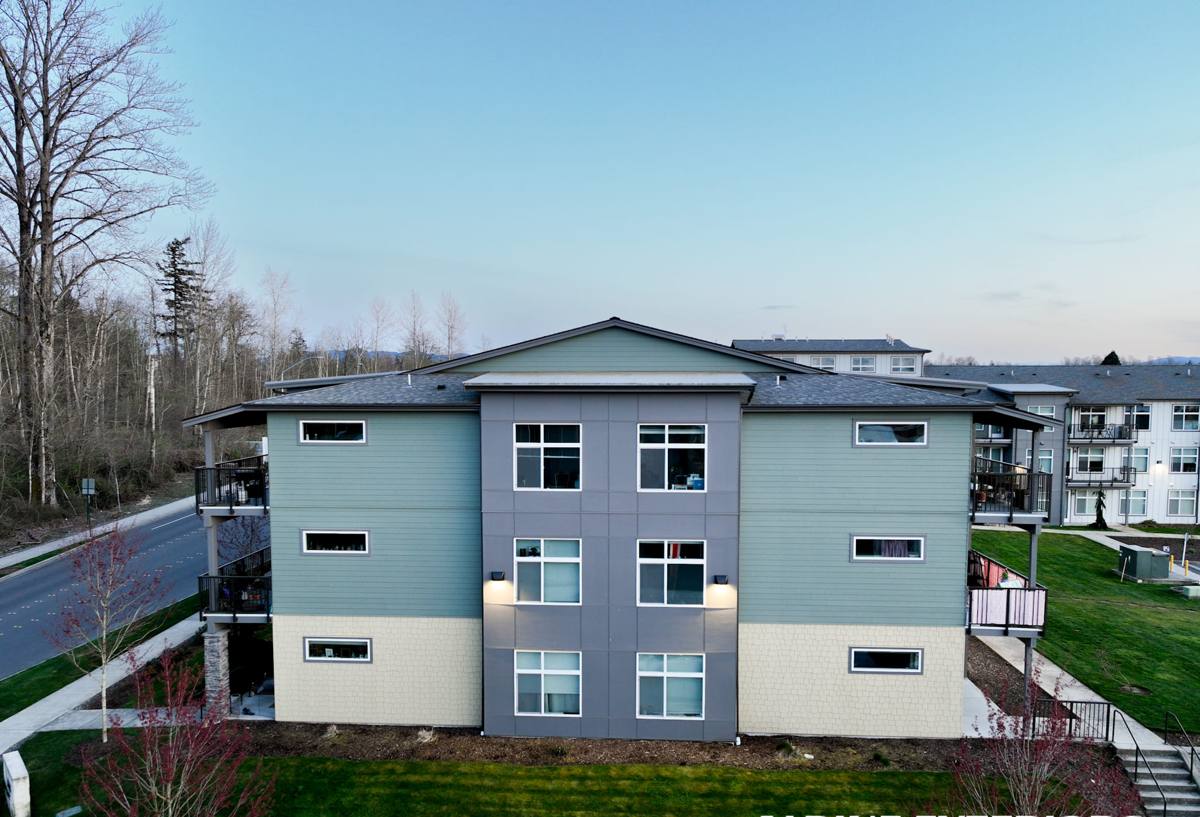
Edgemoor sits close enough to Bellingham Bay that its homes deal with a combination of weather stresses that inland neighborhoods rarely see in the same combination. Salt-laden air off the water, long stretches of driving rain through fall and winter, and a shaded, moisture-holding tree canopy that keeps roofs damp well into a typical Whatcom County spring. An asphalt shingle roof that would perform fine in a drier part of the county can wear out early here if it isn't specified and installed with those conditions in mind. This page covers what a correct asphalt shingle roofing job looks like for an Edgemoor home, why the details matter more here than they might elsewhere, and how our crew approaches the work.
What Edgemoor's Climate Actually Does to a Roof
It helps to be specific about the mechanisms at work, because "coastal weather is tough on roofs" is true but not very useful on its own.
Salt Air and Metal Components
Proximity to saltwater accelerates corrosion on exposed metal — nail heads, flashing, vent stacks, and gutter hardware all degrade faster in a marine air environment than they would ten or fifteen miles inland. Standard electro-galvanized fasteners can start showing rust streaking on a shingle roof years before the shingles themselves are due for replacement. That streaking isn't just cosmetic; it's a sign the fastener is losing holding strength.
Driving Rain and Wind-Driven Water
Bellingham's winter storms frequently push rain sideways off the bay rather than straight down. Wind-driven rain finds its way under shingles, around chimneys, and through valleys in ways that vertical rainfall never would, which is why underlayment quality, valley detailing, and flashing at every roof penetration matter more here than on a roof in a calmer microclimate.
Shade, Moisture, and Moss
Many Edgemoor lots carry mature tree cover, which is part of the neighborhood's character but also means roofs stay shaded and damp longer after rain than roofs in open sun. That extended dampness is exactly what moss and algae need to establish themselves, and once moss gets a foothold in a shingle roof, it lifts tabs, traps additional moisture underneath, and shortens the roof's usable life well ahead of its rated warranty.
What a Correct Shingle Roof Installation Includes
An asphalt shingle roof is a system, not just a layer of shingles nailed to plywood. Skipping or shortcutting any one part of that system is where premature failures come from, especially in a climate like this one.
Deck Inspection and Repair
Before anything goes down, the roof deck itself needs to be sound. Soft spots, delamination, or water staining on the sheathing get identified and replaced rather than covered over. Installing new shingles over a compromised deck just hides a problem that will resurface as leaks or sagging later.
Underlayment
Given how much wind-driven rain Edgemoor sees, we treat underlayment as a real second line of defense, not a formality. Synthetic underlayment holds up better to moisture exposure during construction and provides more consistent water resistance across the field of the roof than older felt products. In vulnerable areas — eaves, valleys, and around penetrations — self-adhered ice-and-water membrane adds a sealed layer that resists wind-driven water intrusion even if a shingle tab lifts in a storm.
Flashing
Chimneys, skylights, sidewalls, and roof-to-wall transitions are where the majority of shingle roof leaks actually originate — not in the open field of shingles. Correct step flashing, counter-flashing, and valley metal, properly lapped with the underlayment and shingles, is non-negotiable on a roof exposed to this much sideways rain.
Fasteners and Nailing Pattern
We use corrosion-resistant fasteners appropriate for a marine-influenced climate, and we follow the manufacturer's nailing pattern exactly — correct nail count, placement, and depth. Overdriven or underdriven nails are a common cause of shingles that blow off or leak years before they should, and it's one of the easiest things for a rushed crew to get wrong.
Ventilation
Balanced intake and exhaust ventilation keeps the attic space at a consistent temperature and moisture level, which does two things: it protects the shingles from underside moisture damage, and it prevents the ice-dam-adjacent freeze-thaw cycling that can happen even in our relatively mild Whatcom County winters. A roof can be installed perfectly on the outside and still fail early from the inside if ventilation is inadequate.
Choosing Shingles for a Marine Environment
Not every asphalt shingle product is a good match for a shaded, salt-air, high-moisture site like Edgemoor. The table below outlines the factors that actually matter for this location.
| Factor | Why It Matters in Edgemoor | What We Look For |
|---|---|---|
| Algae resistance | Shade and moisture accelerate algae and moss growth | Shingles with copper-infused or algae-resistant granules |
| Wind rating | Exposed sites near the bay see stronger gusts | Shingles rated for high wind with reinforced nailing zones |
| Fastener compatibility | Salt air corrodes standard fasteners faster | Corrosion-resistant nails specified for coastal use |
| Warranty structure | Some warranties are voided by improper ventilation or install | Manufacturer warranty that covers materials and, where available, workmanship |
| Color and heat retention | Shaded roofs stay damp longer regardless of color | Balanced with ventilation, not relied on alone to manage moisture |
We don't push a single brand as the only acceptable option — several manufacturers make products suited to this climate. What we won't do is install a shingle without algae resistance on a heavily shaded Edgemoor roof, because we know from experience it invites moss and staining problems within a few years, and that's a maintenance burden we'd rather help a homeowner avoid up front than deal with as a callback later.
Our Process From Estimate to Cleanup
Homeowners generally want to know two things: what's actually going to happen, and how disruptive it will be. Here's the outline we follow.
- On-site assessment. We walk the roof and attic, check ventilation, look at flashing and deck condition, and note any moss or algae staining already present.
- Written estimate. A clear scope of work and price, including material choice and any deck or flashing repairs identified.
- Scheduling around the weather. Given how much rain the area sees, we plan installation windows realistically and won't leave a deck exposed if conditions turn.
- Tear-off and deck inspection. Old roofing comes off, the deck is inspected in daylight, and any repairs are made before underlayment goes down.
- Underlayment, flashing, and shingle installation. Installed in the sequence and to the nailing pattern described above.
- Ventilation check. Intake and exhaust are verified as balanced for the attic space.
- Site cleanup and magnetic sweep. Debris and stray fasteners are cleared from the yard and driveway.
- Final walkthrough. We go over the completed work with the homeowner before calling the job done.
Moss Prevention and Ongoing Maintenance
A well-installed roof still benefits from basic upkeep in a climate that stays damp this long each year. This is the maintenance checklist we give Edgemoor homeowners after a shingle roof install:
- Keep gutters clear of leaves and needles so water doesn't back up under the shingle edge
- Trim overhanging branches back where practical to reduce shade and debris buildup on the roof
- Have moss or algae growth treated early rather than letting it spread across a full slope
- Walk the attic once a year (or have it checked) for signs of moisture, staining, or blocked vents
- Schedule a visual roof check after major windstorms to catch lifted or displaced shingles early
- Avoid pressure washing shingles directly — it can strip granules and shorten shingle life
None of this replaces a correct installation, but it's the difference between a roof that reaches its full expected lifespan and one that needs early repairs because moss or clogged gutters were left unaddressed for a few seasons.
Signs an Edgemoor Roof Needs Attention
Because much of the damage from salt air and moisture happens gradually, it's worth knowing what to watch for between inspections.
- Moss or dark streaking visible on north-facing or shaded slopes
- Granules collecting in gutters or at downspout outlets
- Shingle tabs that look curled, cupped, or lifted at the edges
- Rust staining around nail heads, vents, or flashing
- Daylight visible through the attic roof deck, or damp insulation
- Interior ceiling stains, especially near chimneys or skylights after a heavy storm
Catching these early usually means a repair; waiting usually means a larger repair or a full replacement sooner than the shingles' rated lifespan would suggest.
Why a Crew That Already Works in Edgemoor Matters
Roofing technique doesn't change from neighborhood to neighborhood, but judgment does. A crew that regularly works Edgemoor and the surrounding Bellingham waterfront-adjacent neighborhoods already knows to spec algae-resistant shingles by default on shaded lots, to use corrosion-resistant fasteners without being asked, and to pay extra attention to flashing details because they've seen what wind-driven rain off the bay does to a roof that was flashed to a lower standard. That local pattern recognition is hard to get from a crew that mostly works inland and treats every roof the same way.
Get a Straightforward Estimate
If your Edgemoor home is due for a new roof, showing early signs of moss or wear, or you just want an honest read on what condition it's in, we're glad to take a look. The estimate is free, there's no pressure attached to it, and you'll get a clear explanation of what we find and what your options are — just fill out the form below to get started.