 Bellingham Exterior
 Why Fairhaven Windows Wear Out Faster Than You'd Expect
Fairhaven sits close to Bellingham Bay, and that proximity to open water shapes everything about how windows age here. Salt-laden air moves off the water and settles on exterior surfaces, working into aluminum hardware, vinyl seams, and exposed fasteners long before a homeowner notices any visible damage. Combine that with Whatcom County's driving, wind-pushed rain — the kind that hits window glass at an angle instead of falling straight down — and you get moisture finding its way into gaps that would stay dry in a more sheltered part of town.
Then there's moss season, which in this part of Washington runs a good chunk of the year. Moss and algae don't just grow on roofs and siding; they take hold in window sills, weep holes, and the corners of frames where debris collects and rarely dries out. Left alone, that moisture-holding buildup accelerates wood rot, breaks down sealants, and stains vinyl and fiberglass finishes.
None of this means Fairhaven is a bad place to own a home with nice windows — it just means the windows and the installation have to be matched to the exposure. A window system that performs fine in a dry inland neighborhood can underperform here within a decade if it wasn't specified and installed with this climate in mind.
What "Custom" Actually Means for This Neighborhood
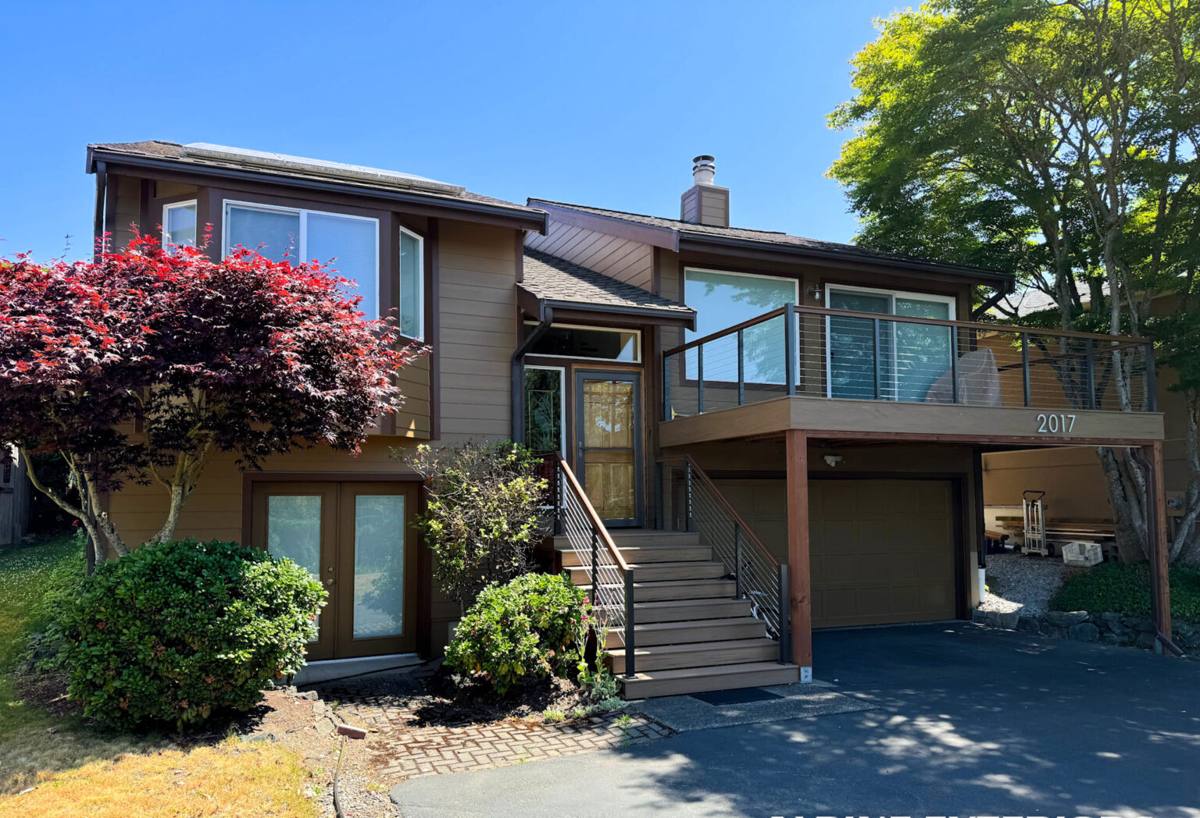
We use the word "custom" deliberately, not as a marketing label. Fairhaven has a real mix of housing stock — older homes from the neighborhood's early development era sitting alongside newer construction, remodels, and additions. Window openings in older homes are frequently out of square, non-standard sizes, or built to dimensions that haven't matched a catalog size in decades. Ordering a stock window and forcing it into an opening that's shifted even a quarter inch out of true is one of the most common ways a window installation fails early — gaps open up, the sash doesn't seal evenly, and water finds its way in within the first few wet seasons.
Custom-built windows are manufactured to the actual as-built opening, not a nominal size. For a house with any age or settling to it — which describes a lot of homes in this area — that precision is the difference between a window that seals correctly for decades and one that needs recaulking every year.
Where Custom Sizing Matters Most
- Homes with visible settling, sloped floors, or out-of-level sills
- Additions or remodels where the opening was framed by hand rather than to a modern standard size
- Bay windows, arched windows, or other non-rectangular openings
- Replacing a window that's been patched or re-framed before
- Matching a historic or period exterior look while upgrading the performance underneath
What a Correct Window Job Involves
Replacing a window is not just pulling out the old unit and setting a new one in the hole. In a marine climate like this, most of what determines whether a window lasts happens in steps a homeowner never sees once the trim is back on.
The Parts That Actually Matter
Flashing comes first. Every window opening needs a drainage plane built around it — flashing tape or membrane at the sill and jambs, lapped correctly with the house wrap or building paper, so that any water that does get past the window sheds outward instead of soaking into the framing. This step is invisible once the job is finished, and it's also the step most likely to be rushed on a fast, cheap install. It's the single biggest factor in whether a window stays watertight through years of driving rain.
Backer rod and sealant come next, sized and installed correctly around the perimeter rather than just caulked over the surface. A bead of caulk smeared over a gap is not the same thing as a properly sealed joint, and it fails much sooner — often within a couple of wet seasons in this kind of exposure.
Shimming and squaring the unit so the sash operates smoothly and seals evenly on all four sides is the step that keeps the window functioning years down the road, not just looking fine on install day.
Finally, the exterior trim and any weep holes need to be finished so that condensation and incidental moisture can actually drain back out rather than collecting behind the trim, which is exactly the kind of damp pocket where moss and rot get started.
Comparing Frame Materials for This Climate
There's no single "best" window material — the right choice depends on the home's age, exposure, and how much upkeep the homeowner wants to take on. Here's how the common options hold up specifically against salt air, driving rain, and moss season conditions:
| Frame Material | Salt Air / Moisture Resistance | Maintenance | Typical Trade-Offs |
|---|---|---|---|
| Vinyl | Good — won't corrode or rot, but can discolor over many years of UV and salt exposure | Low — occasional rinsing | Limited color/finish options; sash can flex on very large units |
| Fiberglass | Very good — dimensionally stable, resists moisture-driven expansion and contraction | Low | Higher upfront cost than vinyl |
| Wood (unclad) | Weakest without diligent upkeep — most vulnerable to rot in a wet, moss-prone climate | High — needs regular painting/sealing | Best traditional appearance for period homes, but demands ongoing maintenance we're upfront about |
| Wood-clad (aluminum or fiberglass exterior) | Good — exterior cladding shields the wood from direct weather exposure | Moderate | Interior wood look with better exterior durability; higher cost |
| Aluminum | Fair — prone to corrosion near salt air unless properly finished, and conducts cold/condensation | Moderate | Slim sightlines, but not our first recommendation directly on the waterfront |
For homes in Fairhaven's older sections where a wood or wood-look profile matters for the home's character, we're straightforward about the maintenance commitment that comes with it. A wood-clad or well-finished fiberglass option can often deliver a similar look with meaningfully less upkeep — that's a conversation worth having before you commit to a material.
Our Process, Start to Finish
1. On-Site Assessment
We measure every opening individually — no assuming two windows on the same wall are identical, because in older homes they often aren't. We also check the condition of the existing framing, sill, and any evidence of past water intrusion or moss buildup, since that affects what needs to happen before the new window goes in.
2. Product Selection
We walk through frame material, glazing (double- vs. triple-pane, low-E coatings), and hardware options based on the specific wall's sun and wind exposure, not a one-size answer for the whole house.
3. Custom Manufacturing
Units are built to the exact measured opening rather than a stock size, which keeps the installation tight and reduces the amount of shimming and gap-filling needed at install.
4. Installation and Flashing
This is where the real weatherproofing work happens — flashing, backer rod, sealant, shimming, and trim, done in the order and manner that keeps water moving out and away rather than trapped against the framing.
5. Final Check and Cleanup
Every new window gets operated, checked for square, and inspected for a consistent seal before we consider the job done.
Why Local Experience in This Neighborhood Matters
A crew that's worked in Fairhaven before knows things a crew from outside the area has to learn on your job. They know that homes closer to the water need more attention to flashing detail than homes a few miles inland in Bellingham. They know what moss and algae staining on a sill usually means underneath, before they even pull the old window. And for homes in or near Fairhaven's historic district, they know that exterior appearance changes can be subject to review — so window profile, trim, and grid pattern need to be planned for up front, not discovered as a problem after a purchase is already made.
Timing matters too. Whatcom County's wet season isn't a small inconvenience for window work — installing in the middle of sustained driving rain makes it harder to get flashing and sealant to perform the way they're supposed to. A crew familiar with the area's weather patterns plans installation windows around drier stretches whenever the schedule allows, which protects the quality of the seal from day one.
What to Ask Any Contractor Before Hiring Them for This Kind of Work
- Do they flash every opening, or just caulk around the new unit?
- Can they explain how they'll handle an out-of-square or older opening?
- Do they have experience with historic district exterior requirements, if that applies to your home?
- What's their plan if a job gets scheduled during a stretch of heavy rain?
- What warranty covers labor and installation, separate from the manufacturer's product warranty?
Living With Windows in a Salt Air, Moss-Prone Climate
Even a well-installed window needs a little seasonal attention in this environment. None of it is difficult, but skipping it is how small issues turn into water damage down the line.
- Rinse sills and frames periodically to clear salt residue, especially on windows facing the water or prevailing wind
- Clear moss and debris from weep holes and sill tracks so water can actually drain
- Check and refresh exterior caulking every year or two, since UV and moisture cycling break it down faster here than in drier climates
- Watch for soft spots or discoloration on wood trim, which usually signals moisture getting in before it's visually obvious
- Keep gutters and downspouts clear nearby — overflow during heavy rain often lands directly on window heads and sills
Cost Factors to Expect
Every home is different, but a few factors consistently move the price of a custom window project up or down. We go over these specifically for your home during an in-person estimate rather than quoting blind.
| Factor | How It Affects Cost |
|---|---|
| Number and size of openings | Larger and more numerous windows increase material and labor |
| Frame material chosen | Vinyl is typically the most affordable; fiberglass and wood-clad cost more upfront |
| Condition of existing framing | Rot repair or reframing adds labor before the new window can go in |
| Opening complexity | Out-of-square, bay, or non-standard shapes require more custom fabrication |
| Glazing package | Triple-pane and specialty low-E coatings add cost but improve comfort and efficiency |
| Historic or design review requirements | May limit product/trim options, affecting material choice and timeline |
If you're weighing windows for a Fairhaven home, we're happy to walk the property, look at what's there now, and put together straightforward options at a range of price points — no pressure, and no guessing on our part about what your specific home needs. Reach out for a free estimate using the form below.