 Bellingham Exterior
 Why Fairhaven Siding Wears Differently Than Siding Inland
Fairhaven sits close enough to the water that its homes deal with a different combination of stresses than a house a few miles inland in Bellingham. Salt-laden air moves in off Bellingham Bay, driving rain comes in sideways during fall and winter storms, and the deep shade from mature trees on many lots keeps roof and wall surfaces damp long after a storm has passed. That combination — salt exposure, wind-driven moisture, and slow-drying shade — is exactly what strips paint faster, feeds moss and algae growth, and eventually breaks down siding that wasn't built or installed for it.
None of this means Fairhaven is a hard place to keep a house looking good. It means the siding system and the installation details matter more here than they would in a drier, sunnier part of Whatcom County. A replacement done right accounts for all three factors from the start, instead of treating them as maintenance problems to deal with later.
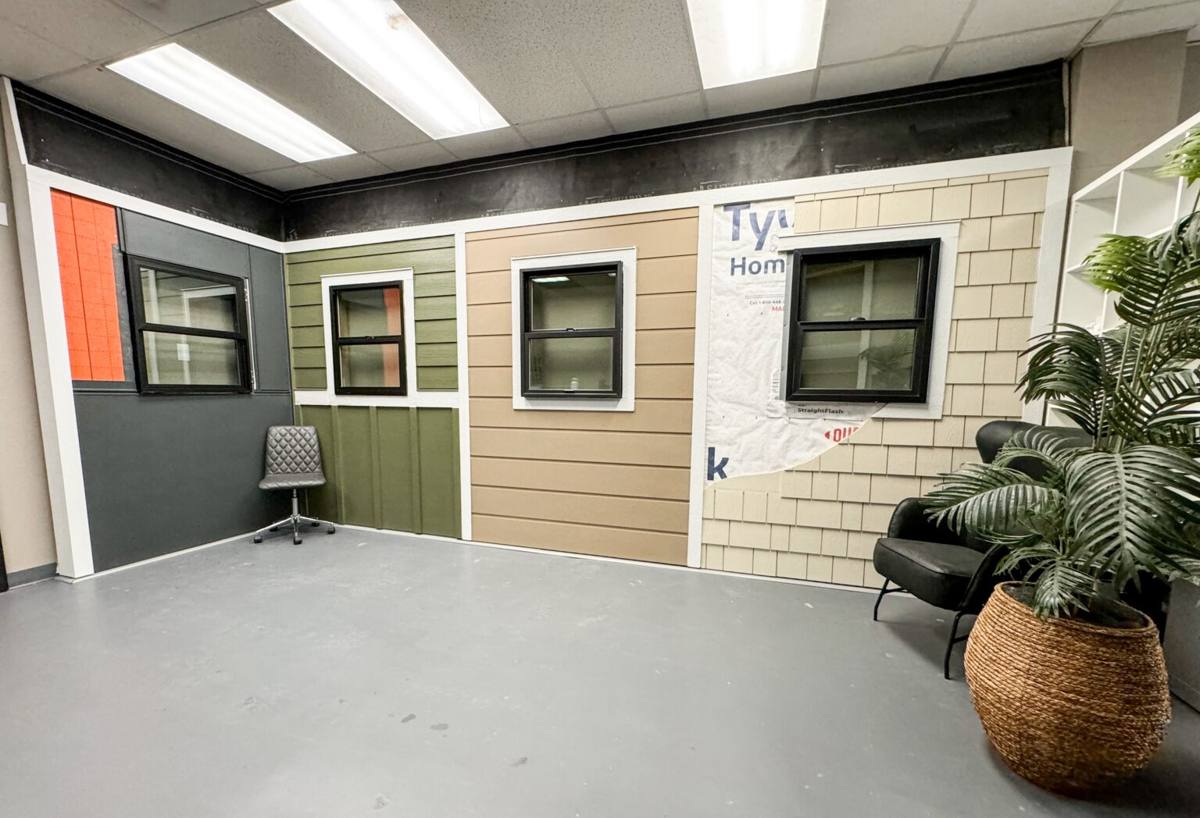
What Fairhaven's Climate Actually Does to Siding
Salt Air
Airborne salt from the bay accelerates the breakdown of paint films and can corrode fasteners and trim metal that aren't rated for coastal exposure. Over years, this shows up as chalking paint, rust streaks below nail heads, and premature fading on the weather-facing side of a home.
Driving Rain
Bellingham's winter storms don't just fall straight down — wind pushes rain sideways into wall assemblies, especially on west- and south-facing elevations. Any gap in flashing, any short overlap in siding coursing, or any compromised weather-resistive barrier becomes an entry point for water. Once water gets behind the siding, the damage is often happening in the wall cavity long before it's visible from outside.
Moss and Sustained Shade
Fairhaven's tree cover is part of what makes the neighborhood feel the way it does, but shaded, moisture-retentive siding stays wet longer after every rain. That extended damp period is exactly what moss, algae, and mildew need to take hold. On the wrong material, that's a cosmetic problem today and a maintenance headache for years. On the wrong installation, it's a path for moisture to work its way into places it shouldn't be.
What a Correct Siding Replacement Actually Involves
Siding replacement is not just swapping old boards for new ones. Done correctly, it's an opportunity to fix everything hidden underneath that you can't address any other time short of tearing the wall open.
- Full tear-off of the old siding, not an overlay — installing new siding over old traps moisture and hides existing damage
- Inspection of the sheathing underneath for rot, soft spots, or prior water intrusion, with repairs made before anything new goes up
- Installation or renewal of a proper weather-resistive barrier (housewrap) that's lapped correctly, shingle-style, so water sheds outward instead of tracking inward
- Correct flashing at every window, door, deck ledger, and roofline intersection — the single most common source of hidden leaks on any home
- Rain screen or drainage gap detailing appropriate for the exposure, giving any moisture that does get behind the siding a way to drain and dry
- Fastener selection and placement that matches manufacturer specifications, not just "close enough"
- Correct field-cut and factory-edge sealing on fiber cement, per manufacturer instructions
Skip any one of these steps and the new siding may look right for a season or two before problems that were supposed to be fixed resurface — often worse, because they were sealed up behind new material instead of solved.
Why We Install Only James Hardie Fiber Cement
We standardized on James Hardie fiber cement siding for every home we work on, including in Fairhaven, and we don't install vinyl, LP SmartSide, Cemplank, Allura, or wood siding. That's a deliberate professional standard, not a sales pitch, and it comes down to how these materials actually perform in a marine climate like this one.
Vinyl siding can warp and become brittle with age, its seams give wind-driven rain more opportunities to find a way behind the cladding, and it's not a fire-resistant material. Wood and primed spruce siding require an ongoing paint and caulk maintenance schedule to keep moisture out — a demanding cycle in a neighborhood that stays damp and shaded much of the year. LP SmartSide is an engineered wood product, which means it's still vulnerable to moisture-driven swelling and edge deterioration if any seal fails. Cemplank and Allura are also fiber cement, and reasonable products in their own right, but we've chosen to standardize on one manufacturer so our crews install to one set of specifications, every time, with one warranty structure behind the work.
James Hardie fiber cement is non-combustible, holds paint and factory-applied ColorPlus finishes far longer than wood or vinyl in this climate, and doesn't feed moss the way porous or fibrous materials can. Hardie also engineers specific product lines — HZ5 among them — for climate zones like the Pacific Northwest, accounting for moisture exposure in the manufacturing specification itself rather than leaving it entirely to site protection.
ColorPlus Factory Finish vs. Field-Painted Siding
| Factor | ColorPlus Factory Finish | Field-Painted Siding |
|---|---|---|
| Finish consistency | Baked-on in a controlled environment, even coverage | Dependent on weather conditions during the paint job |
| Fade resistance in salt air / UV | Formulated to resist coastal fading and chalking | Standard exterior paint, shorter service life in this climate |
| Repainting cycle | Typically well beyond a decade before touch-up is needed | Often needed every 5-8 years in shaded, damp conditions |
| Touch-up matching | Factory-matched touch-up available | Color matching gets harder as paint ages and fades unevenly |
Our Siding Replacement Process in Fairhaven
- On-site assessment — we walk the home, note exposure direction, tree cover, existing moisture damage, and any trim or flashing issues before quoting anything
- Tear-off and sheathing inspection — old siding comes off, sheathing is checked and repaired as needed
- Weather-resistive barrier and flashing — housewrap and flashing installed or renewed at every penetration and transition
- James Hardie installation — panels, lap siding, or trim installed to manufacturer spec, with attention to fastener pattern, clearances, and sealed cuts
- Trim, caulking, and final detailing — the small details that determine whether water sheds correctly for the next several decades
- Walkthrough — we go over the finished work with you before calling the job done
Signs a Fairhaven Home Needs Siding Replacement Soon
- Persistent moss or algae growth that returns within a season of cleaning
- Soft spots, bubbling, or visible warping in the siding surface
- Paint that's chalking, peeling, or fading unevenly, especially on shaded or west-facing walls
- Rust streaking below nail or fastener heads
- Cracked or missing caulk at trim, window, and corner joints
- A musty smell or visible staining on interior walls near exterior corners
- Siding that flexes or feels hollow when pressed
What Affects the Cost of a Fairhaven Siding Replacement
| Factor | Why It Matters |
|---|---|
| Extent of hidden sheathing damage | Rot found during tear-off has to be repaired before new siding goes on |
| Home size and wall complexity | More corners, gables, and trim detail mean more labor and material |
| Siding profile chosen | Lap siding, panel systems, and shingle-style Hardie products vary in material and install time |
| Trim and accent work | Window trim, fascia, and accent bands add scope beyond the field siding itself |
| Access and site conditions | Mature landscaping, tight lot lines, and multi-story sections affect staging and labor |
We provide a written estimate after seeing the home in person — broad ranges without an actual look at the siding and sheathing underneath aren't worth much to a homeowner trying to plan a real budget.
Matching Fairhaven's Character Without Sacrificing Performance
Fairhaven has a distinct architectural feel, and homeowners here are often understandably particular about getting the look right, not just the performance. James Hardie's lap, shingle, and panel profiles, combined with the ColorPlus color range, give us the flexibility to match that character — craftsman detailing, traditional lap reveals, or shingle-style accents — without stepping down to a lower-performing material to get the aesthetic. You shouldn't have to choose between how a house looks and how well it holds up two blocks from the water.
Why a Crew That Already Works in Fairhaven Matters
A contractor who regularly works this specific part of Bellingham has already seen how salt air, shade, and driving rain interact with different wall assemblies here — which elevations take the worst weather, where moss tends to establish first, and what flashing details actually hold up over a Whatcom County winter. That's not something a crew unfamiliar with the coast picks up on the first job. It shows up in the small decisions: where to add extra flashing that isn't strictly required by code, which fastener spec to use given the exposure, and how to sequence the work around this area's wetter months. Hiring locally isn't just about convenience — it's about hiring a crew whose judgment on your specific house has already been shaped by houses like it.
If your Fairhaven home's siding is showing its age or you're planning ahead for a replacement, we're happy to take a look and walk you through what we find — no pressure, no obligation. Request a free estimate using the form below and we'll get back to you to schedule a time.