 Bellingham Exterior
 Why Happy Valley Roofs Wear Differently
Happy Valley sits close enough to Bellingham Bay that salt-laden air is a real factor in how roofing materials age here, and the tree cover through the neighborhood means shade, moisture, and organic debris stay on roof surfaces longer than they would on a more exposed lot. Add in Whatcom County's long stretch of driving rain from fall through spring, and you've got a combination that punishes roofing systems not specifically detailed for wet, coastal conditions. A roof that would hold up fine in a dry inland climate can develop problems here in a fraction of the time if it wasn't installed with this environment in mind.
Metal roofing, done correctly, is one of the better answers to that combination — but "done correctly" is doing a lot of work in that sentence. The material itself is only part of the equation. Fastener choice, underlayment, flashing details, and ventilation all matter as much as the panels on top, and in a neighborhood like Happy Valley, getting those details wrong shows up faster than it would elsewhere.
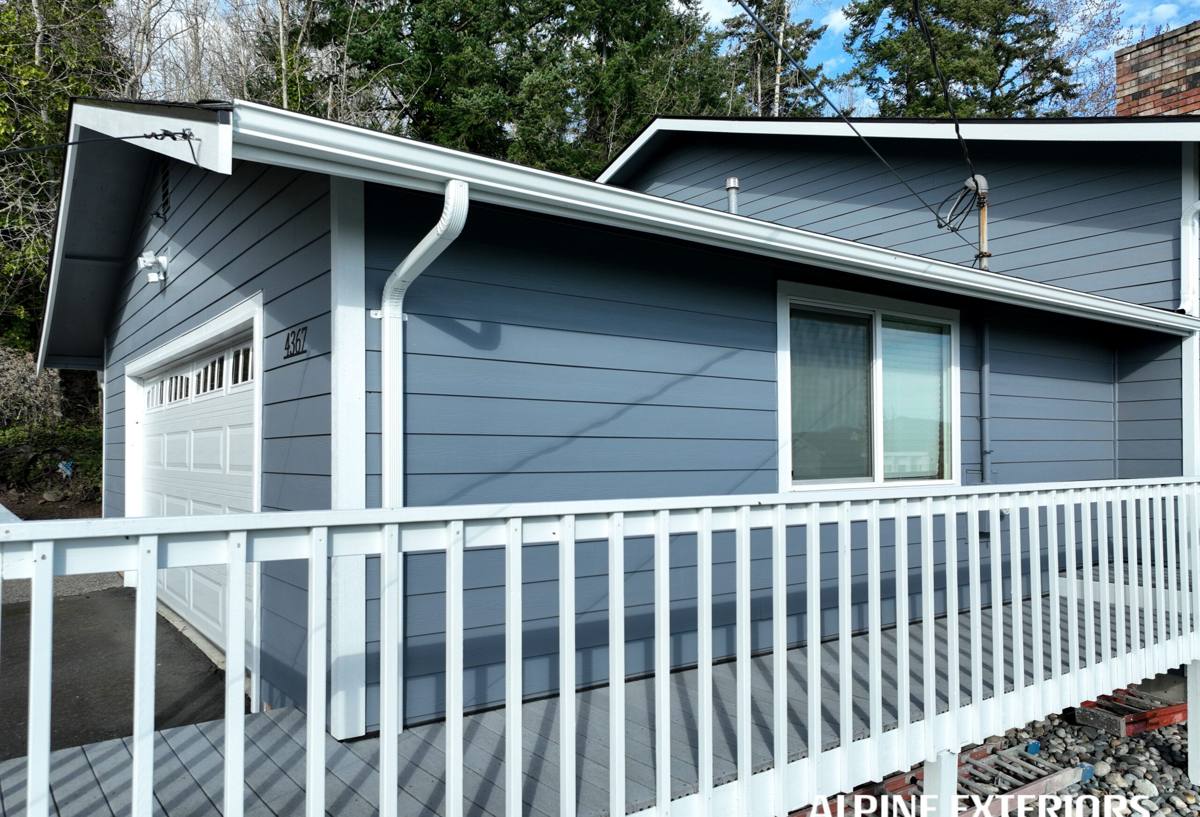
What Bellingham's Climate Actually Does to a Roof
Salt Air and Corrosion
Proximity to the bay means airborne salt settles on exposed metal over time. Bare or poorly coated fasteners, cut edges that weren't properly sealed, and dissimilar metals in contact with each other are the first places corrosion shows up. This isn't a reason to avoid metal roofing — it's a reason to be deliberate about coating systems, fastener specification, and flashing metal compatibility.
Driving Rain and Wind-Driven Moisture
Bellingham doesn't just get rain — it gets rain pushed sideways by wind off the water. That means lap details, panel end conditions, and penetration flashing have to handle water moving uphill and sideways, not just running downhill. Underlayment quality and seam integrity matter more here than in drier climates where gravity alone does most of the work.
Moss and Organic Growth
The long moss season in western Whatcom County is driven by shade, moisture, and mild temperatures that never fully dry a roof out for long stretches of the year. Moss holds water against a roofing surface, and on the wrong material or with the wrong ventilation, that moisture retention leads to premature wear. Metal roofing resists moss far better than composition shingle roofing because there's no porous surface for spores to root into, but valleys, low-slope sections, and shaded north faces still need attention.
What a Correctly Installed Metal Roof Includes
A metal roof is a system, not just a layer of panels. For Happy Valley homes, we pay particular attention to:
- Underlayment — a synthetic, high-temp-rated underlayment as a moisture barrier beneath the panels, not just felt paper
- Ice and water shield at eaves, valleys, and penetrations where wind-driven rain is most likely to find a way in
- Fastener specification matched to the panel metal to avoid galvanic corrosion, especially important given the salt air
- Proper panel overlap and seam type for the roof's actual pitch and exposure
- Flashing details at chimneys, skylights, wall transitions, and valleys — this is where the majority of roof leaks actually originate, on any roof type
- Ventilation that lets the roof deck breathe, reducing condensation buildup underneath the panels
Skipping any one of these to save time or cost is how a metal roof ends up with problems in year three instead of holding up for decades.
Panel Types: What Fits a Happy Valley Home
Not every metal roofing product is the right fit for every home, and we don't push one system on every job. Here's how the common options compare for this climate and neighborhood:
| Panel Type | Best For | Climate Trade-Offs |
|---|---|---|
| Standing seam (concealed fastener) | Most Happy Valley homes; long-term, low-maintenance roofs | Highest wind and water resistance; fasteners hidden from weather and salt exposure; higher upfront cost |
| Exposed-fastener panels | Budget-conscious projects, outbuildings, some rooflines | Lower cost, but exposed fasteners need periodic inspection and re-torquing as they're more exposed to salt air and moisture cycling |
| Metal shingles / shakes | Homes wanting a traditional look with metal's durability | Good moss and rain performance; more seams than standing seam, so flashing detail work matters even more |
For most homes in this neighborhood, we lean toward standing seam because the concealed fasteners hold up better against long-term salt exposure and because the fewer through-panel penetrations mean fewer potential leak points over the life of the roof. That said, roof pitch, budget, and the look a homeowner wants all factor into the right call — this is a conversation, not a default.
Our Process on a Happy Valley Metal Roof
1. Inspection and Assessment
We walk the existing roof, check the deck condition, look at how water currently moves across the roof (or doesn't), and identify problem areas — valleys, shaded sections holding moss, low-slope transitions — before recommending a system.
2. Tear-Off and Deck Prep
Old roofing comes off and the deck gets inspected for rot or damage, which is common on older homes in wetter neighborhoods where a leak may have gone unnoticed for a while. Any compromised decking gets replaced before anything new goes down — installing new roofing over a bad deck just hides the problem.
3. Underlayment and Flashing
This is the step that determines how the roof performs in driving rain, not the panels themselves. We install underlayment and flashing to handle wind-driven moisture specifically, not just standard runoff.
4. Panel Installation
Panels go on with fastener spacing and seam technique matched to the product and the roof's exposure. We check ridge, hip, and valley details as we go rather than leaving trim work for the end.
5. Final Walkthrough
We walk the finished roof, check flashing and trim, and go over maintenance expectations — what to watch for, and what's normal wear versus something that needs a call.
Cost Factors for Metal Roofing in This Area
Every roof is different, but the main variables that move the price on a Happy Valley metal roof project are:
| Factor | Why It Matters Here |
|---|---|
| Roof pitch and complexity | More valleys, dormers, and transitions mean more flashing labor — and flashing is what keeps driving rain out |
| Panel type | Standing seam costs more upfront than exposed-fastener panels but needs less long-term maintenance in salt air |
| Deck condition | Moisture-related deck repair is more common on older roofs in shaded, wetter lots |
| Tear-off scope | Full tear-off versus roofing over existing material affects both cost and long-term performance |
| Access and roof height | Tree cover and lot layout in parts of the neighborhood can affect staging and material handling |
We give straightforward estimates broken down by these factors rather than a single number with no explanation, so homeowners can see what they're actually paying for.
What to Ask Before Hiring Anyone for This Job
Metal roofing is a specialized install, and not every roofing crew has done a lot of it. Before hiring, it's worth asking:
- Do you carry current WA state contractor licensing and liability insurance?
- How many metal roofs have you installed in this specific climate, not just roofing in general?
- What underlayment and flashing details do you use for wind-driven rain?
- What's the manufacturer's warranty, and does your installation keep that warranty valid?
- Will you provide a written estimate with materials and labor itemized, not a single lump figure?
- Can you explain your fastener and flashing metal choices in plain terms?
A contractor who answers these clearly and specifically, without hedging, is usually one who's done the work enough times to know exactly what a Bellingham roof needs.
Why a Local Crew Matters for This Neighborhood
General familiarity with metal roofing isn't the same as knowing how Happy Valley's specific mix of tree cover, shade patterns, and proximity to the bay plays out on individual roofs. A crew that's already worked in this neighborhood knows which sections of a roof tend to hold moss longest, how local permitting and inspection works in Whatcom County, and what deck conditions are common on homes of a given age in this area. That local pattern recognition shortens the inspection process and reduces surprises mid-project — it's the difference between a crew that's guessing based on general roofing knowledge and one that's seen this exact climate do this exact thing to roofs before.
We're a Bellingham-based crew, and jobs in Happy Valley and the surrounding neighborhoods are a regular part of what we do — not a one-off trip. That matters for warranty follow-up too: if a question comes up two years after installation, you're calling a company that's still local and still around, not chasing down a crew that worked here once and moved on.
If you're weighing metal roofing for a Happy Valley home, we're happy to walk the roof, talk through what your specific home needs given its pitch, shade, and exposure, and give you a straightforward, no-pressure estimate. Use the form below to get started.