 Bellingham Exterior
 Windows Built for the Silver Beach Climate
Silver Beach homes sit in one of the more weather-exposed pockets of Bellingham. Between the salt-laden air moving off the water, the driving rain that comes sideways off winter storms, and a moss season that seems to stretch longer every year, the windows on a Silver Beach home work harder than windows almost anywhere else in Whatcom County. A window that's a fine fit for a dry inland climate can start failing here within a handful of years — seals give out early, frames swell and stick, and hardware corrodes faster than most homeowners expect.
Custom windows aren't just about matching an odd-sized opening or getting a specific grid pattern. In this neighborhood, "custom" also means selecting materials, glazing, and installation details that are actually suited to salt exposure and near-constant moisture. That's the piece that gets skipped when a homeowner orders standard stock windows from a big-box supplier without accounting for where the house actually sits.
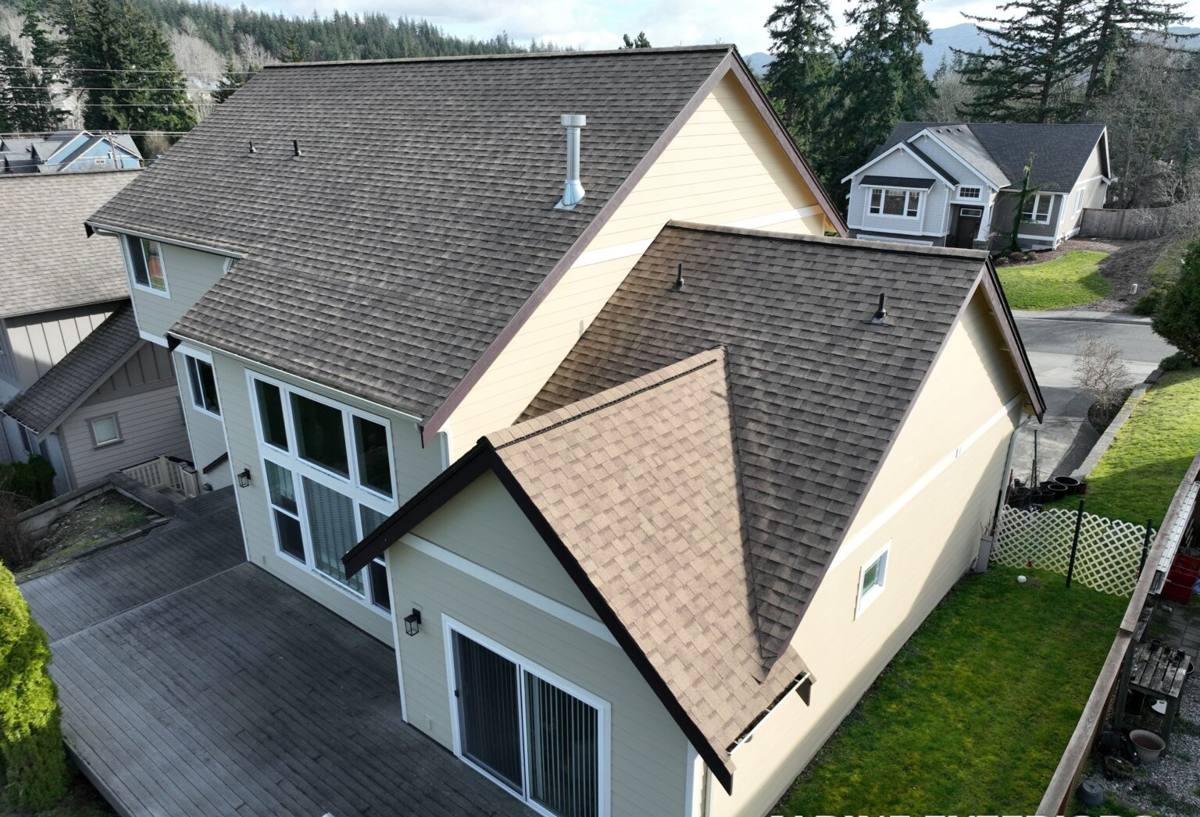
What "Custom" Actually Means Here
Custom windows fall into a few categories, and it's worth knowing which one applies to your project before you start getting quotes:
- Custom-sized replacements — your existing openings are non-standard (common in older Bellingham homes), so the new units are built to exact measurements rather than trimmed down from stock sizes.
- Custom shapes and configurations — arches, bays, picture windows paired with operable units, or unusual combinations that need to be engineered as a matched set.
- Custom material and finish selection — choosing frame material, glass package, hardware finish, and exterior color specifically for a coastal-adjacent, high-moisture site rather than a generic default spec.
- Custom trim and integration — matching existing exterior trim profiles, siding reveals, or interior casing so the new windows don't look like an obvious retrofit.
Most Silver Beach projects involve some mix of all four, since older window openings rarely match modern standard sizes and the exterior detailing on established homes needs to be respected, not just covered over.
Why Standard-Order Windows Underperform Here
A stock window ordered without regard to site conditions is engineered for an "average" climate. On a lot exposed to salt air and driving rain, that average spec shows up as premature seal failure, hardware pitting, and frame corrosion well before the manufacturer's warranty period ends. Custom specification lets us upgrade the parts of the window that actually take the abuse — corrosion-resistant hardware, marine-grade fasteners, and glazing systems designed for sustained moisture exposure — without paying for upgrades the house doesn't need elsewhere.
Material Choices for a Salt-Air, High-Moisture Site
There's no single "best" window material — there's a best material for this specific site and this specific home. Here's how the common options hold up under Silver Beach conditions:
| Frame Material | Moisture & Salt-Air Performance | Maintenance | Best Fit |
|---|---|---|---|
| Fiberglass | Excellent — dimensionally stable, doesn't corrode or rot | Low | Homes with direct wind and rain exposure |
| Vinyl | Good — resists moisture, but can flex in temperature swings | Low | Budget-conscious replacements, less exposed elevations |
| Aluminum-clad wood | Good exterior protection, but any breach exposes wood core | Moderate to high | Homeowners prioritizing interior wood aesthetics |
| Solid wood | Poor without diligent upkeep — highest moisture risk | High | Historic restoration where authenticity is the priority |
We install a range of these depending on the project, but for the more exposed elevations of a Silver Beach home — typically the side facing prevailing wind and rain — we lean homeowners toward fiberglass or quality vinyl over solid wood unless there's a specific restoration reason to go otherwise. Wood requires a maintenance commitment that's easy to underestimate once moss and mildew get established on a shaded, damp elevation.
Glass and Hardware Details That Matter More Here Than Elsewhere
Glazing
Dual-pane glazing with a warm-edge spacer system is the baseline we recommend for this climate — it reduces condensation at the glass edge, which is where seal failure typically starts in a wet climate. For homes with more direct exposure to wind-driven rain, we also look at glazing options with better moisture and thermal performance, since Bellingham's long, wet winters put more cumulative stress on seals than a drier climate would.
Hardware
Standard zinc-plated hardware corrodes noticeably faster in salt-influenced air. We spec corrosion-resistant hardware — stainless steel components or coated hardware rated for coastal exposure — on projects in this area as a default, not an upsell. It's a relatively small cost difference at install time and a significant difference in how the window operates five and ten years down the road.
Weatherstripping and Drainage
Every window needs a way for incidental moisture to escape the frame rather than pool inside it. On a site that gets this much sustained rain, we pay close attention to weep hole placement and sizing, and we use weatherstripping rated for repeated wet-dry cycling rather than economy-grade gaskets that harden and crack within a few seasons.
Installation Is Where Custom Windows Succeed or Fail
The best window in the world will leak, fog, or rot the surrounding framing if it's installed wrong. That risk goes up significantly in a wet climate, where a poor seal doesn't just cause a slow problem — it causes a fast one. Here's what correct installation actually involves:
- Opening inspection — checking existing framing, sheathing, and sill condition for hidden rot or moisture damage before the new window ever goes in. This is non-negotiable on older Silver Beach homes where prior window failures may have already let water into the wall assembly.
- Flashing integration — proper flashing tape and pan flashing at the sill, integrated correctly with the home's water-resistive barrier, so water is directed out and down rather than trapped behind the window.
- Air-sealing and insulation — low-expansion foam or backer rod and sealant around the frame perimeter, avoiding gaps that let moist air condense inside the wall cavity.
- Exterior sealant selection — a sealant rated for UV and moisture exposure, applied at the correct joints without sealing off the drainage path the window needs.
- Interior and exterior trim finish — matched to existing profiles so the finished product looks intentional, not patched.
Skipping or rushing any one of these steps is the single most common reason a window that should last 20-plus years starts failing in five. It's also the step homeowners can't easily evaluate from a sales brochure — it comes down to the crew doing the actual work.
Moss, Shade, and Window Performance
Moss doesn't just grow on roofs. On shaded elevations and around window trim that stays damp longer than it should, moss and algae buildup traps moisture against the frame and finish. Over a long moss season, that sustained dampness accelerates wear on caulking, wood trim, and even some vinyl finishes. Part of doing this job right in Silver Beach is thinking about how a window's location and shading will affect its long-term exposure — not just how it looks on install day. Where we can, we'll flag drainage or shading conditions around an opening that are likely to contribute to moss and mildew buildup, since that's often fixable with better flashing or a small trim adjustment at the time of installation.
Our Process for a Silver Beach Custom Window Project
The process is the same discipline every time, adjusted for what your home's exposure and existing construction actually require:
- On-site assessment — we look at existing openings, framing condition, current window performance issues, and site exposure (wind direction, shade, drainage) before recommending anything.
- Material and glazing recommendation — based on that assessment, not a one-size-fits-all default package.
- Accurate measurement and ordering — custom units are built to your openings, so measurement accuracy at this stage prevents costly delays later.
- Removal and opening inspection — old windows come out, and we inspect the framing before anything new goes in. If there's hidden rot or water damage, we address it before installing new windows over a compromised opening.
- Correct flashing and installation — following the sequence above, every time, not as an optional upgrade.
- Final sealing, trim, and cleanup — finished to match the home, with a walkthrough so you understand how the new windows operate and what maintenance, if any, they need.
What to Check Before You Hire Anyone
Whether you go with us or another crew, here's what actually matters for a project in this climate:
- Do they inspect the existing opening and framing before quoting a price, or just measure the rough opening and move on?
- Do they talk specifically about flashing and drainage, or only about the window unit itself?
- Can they explain why they're recommending a particular frame material for your home's specific exposure, rather than pushing one default product line?
- Do they carry active licensing and insurance appropriate for exterior construction work in Washington State?
- Will they put the scope of work — including flashing method and sealant type — in writing, not just the window brand and size?
A contractor who can't answer the flashing and drainage questions specifically usually hasn't thought past the sale. That's the detail that determines whether your windows are still performing well in fifteen years or starting to fail in five.
Why Local Experience in This Neighborhood Matters
Working regularly in Silver Beach and the surrounding Bellingham neighborhoods means we've seen how homes here actually age — where moisture tends to collect, which elevations take the worst of the weather, and which older construction details need extra attention during a window replacement. That's not something you get from a general product catalog. It comes from doing this work, on homes like yours, in this specific climate, repeatedly. We're not guessing at what Whatcom County weather does to a window over a decade — we're accounting for it up front, in the material choices and installation details, so you're not the one finding out the hard way.
If you're weighing a window replacement or addition for your Silver Beach home, we're happy to take a look and give you a straightforward, no-pressure estimate — including an honest read on your existing openings and what they actually need. Use the form below to get started.