 Bellingham Exterior
 Why Sehome Roofs Take a Different Kind of Beating
Sehome sits on the hillside above downtown Bellingham, close enough to Bellingham Bay that salt-laden air is a constant, low-grade stress on every exposed metal fastener, flashing seam, and gutter system on the block. Add Whatcom County's long wet season — months of driving rain pushed sideways by wind off the water — and you get a roofing environment that's forgiving on temperature swings but unforgiving on moisture management. Roofs here don't usually fail because of heat or ice. They fail because water finds a way in through a detail that was cut corner-close, and it has months at a time to work on that weakness.
Tree cover is heavy in parts of Sehome, which keeps summers pleasant but also keeps roof slopes shaded and slow to dry. That shade, combined with the region's humidity, is exactly what moss and algae need to get established. A roof that would stay clean for a decade in a drier climate can grow a visible moss mat in a Bellingham winter or two if it's not built and maintained with that reality in mind. None of this means asphalt shingle roofing is a poor fit for the area — it's actually one of the most practical, cost-effective systems for this climate when it's installed correctly. The details just matter more here than they do somewhere dry and calm.
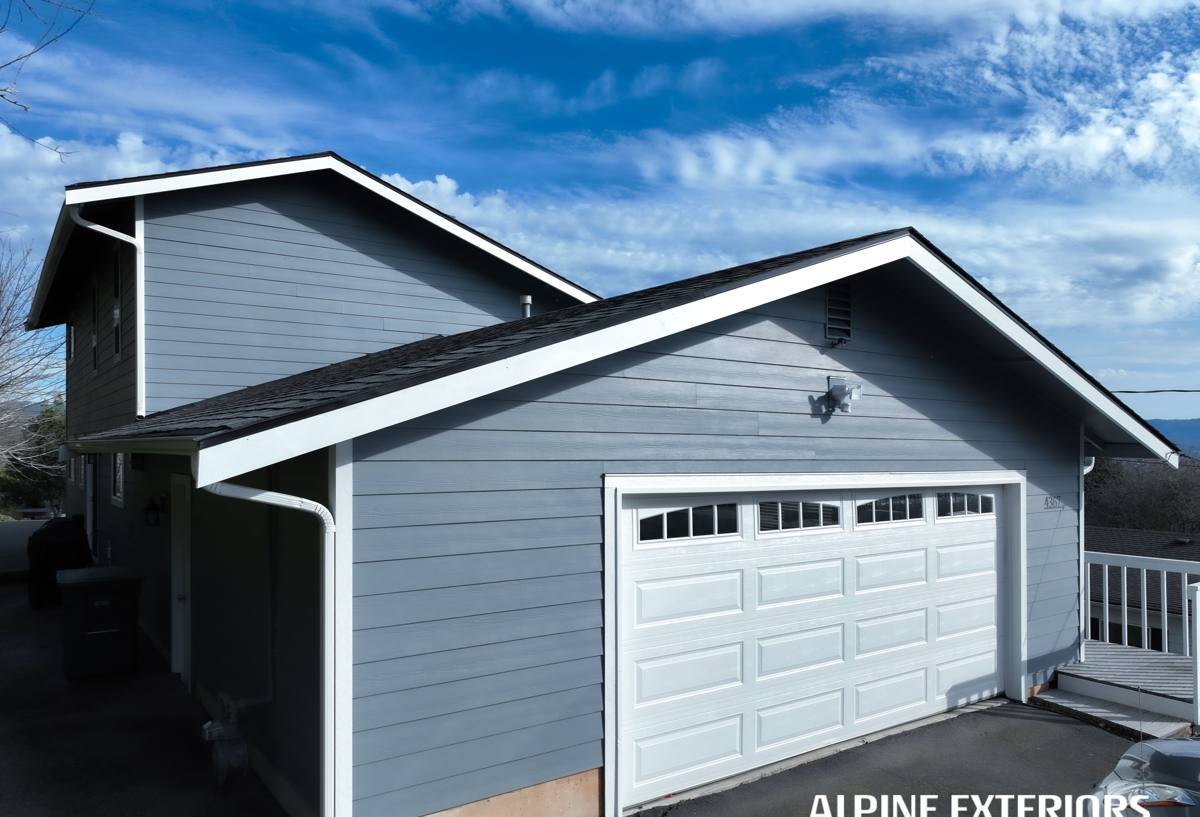
What a Correctly Installed Asphalt Shingle Roof Includes
An asphalt shingle roof is a system, not a single product. The shingles get the attention, but in a marine climate like this one, the layers underneath and around them do most of the work of keeping a house dry.
Underlayment and Water Barriers
We use synthetic underlayment across the full deck, with self-adhered waterproof membrane at eaves, valleys, and any low-slope transitions — the spots where wind-driven rain and ponding water are most likely to find a gap. This is the layer that saves a roof when a shingle eventually cracks, lifts, or loses granules; it's cheap insurance against an expensive interior repair.
Ventilation
Balanced intake at the soffits and exhaust at the ridge keeps attic air moving, which controls moisture buildup and helps shingles run at a more even temperature. Skipping this, or installing exhaust vents without matching intake, is one of the most common causes of premature shingle failure and hidden deck rot we see on older homes in this area.
Flashing
Chimneys, skylights, sidewall intersections, and any place a roof meets a vertical surface need step flashing, counter-flashing, or head flashing installed and sequenced correctly with the shingles — not just caulked over. Caulk is a maintenance item, not a waterproofing strategy, and it's usually the first thing to fail under sustained rain.
Fastening
Every shingle gets nailed in the manufacturer's specified location and pattern, sized and driven correctly for the deck thickness. Wind exposure on hillside lots and open yards makes this non-negotiable — under-driven or misplaced nails are a leading cause of shingles lifting in a storm.
Signs Your Sehome Roof Is Telling You Something
Most roof problems announce themselves well before there's a leak inside the house. Worth checking a few times a year, especially after a hard windstorm:
- Granules collecting in gutters or at the base of downspouts — a sign shingles are aging and losing their protective coating
- Moss forming in mats (not just light green staining) on shaded or north-facing slopes
- Shingles that look curled at the edges, cupped in the middle, or visibly out of plane with the rest of the field
- Soft or spongy spots when the roof is walked, which can indicate deck damage underneath
- Daylight visible through the roof deck when viewed from inside the attic
- Water staining, discoloration, or a musty smell in the attic or on ceilings below the roofline
- Missing, torn, or lifted shingles after a windstorm, even just one or two
Any one of these on its own isn't necessarily an emergency, but it's worth a real inspection rather than a guess — especially before the wet season sets in.
Our Process, Start to Finish
We keep the process straightforward and don't skip steps to save time, because the steps we'd be tempted to skip are usually the ones that matter most in this climate.
- Inspection. We walk the roof, check the deck condition, flashing points, ventilation, and any problem areas, and take photos so you can see exactly what we see.
- Written scope and material selection. You get a clear, itemized plan — shingle line, color, underlayment type, ventilation changes if needed — before any work starts.
- Site protection. Landscaping, siding, windows, and outdoor living areas get covered or protected before tear-off begins.
- Tear-off and deck inspection. Old roofing comes off down to the deck, and any soft, rotted, or delaminated plywood is identified and replaced — not covered over.
- Underlayment and flashing. Water barriers go down first, followed by new flashing at every penetration and transition.
- Shingle installation. Installed to manufacturer specification for nailing pattern, exposure, and starter/ridge detailing.
- Cleanup. Full site cleanup including a magnetic sweep for stray nails in the yard and driveway.
- Final walkthrough. We go over the finished roof and the paperwork — warranty registration, care notes — together before we consider the job done.
Shingle Options and What They Cost to Own
Asphalt shingles aren't one product — the tier you choose affects both upfront cost and how the roof performs over time in a wet, windy climate. This is a general comparison to help frame the conversation; exact pricing depends on your roof's size, pitch, and access.
| Shingle Type | Typical Lifespan | Wind Rating | Best For |
|---|---|---|---|
| 3-tab | 15–20 years | Lower | Budget-focused projects, simple rooflines |
| Architectural (laminate) | 25–30 years | Moderate to high | Most Sehome homes — balance of cost, durability, and curb appeal |
| Premium / designer | 30+ years | High | Steeper or more visible rooflines, homeowners prioritizing appearance and longevity |
For most homes in this neighborhood, architectural shingles are the practical middle ground — thicker, heavier, and more wind-resistant than 3-tab, without the premium price of designer lines. We'll walk through the real trade-offs for your specific roof rather than defaulting to whatever's easiest to sell.
Moss, Algae, and the Marine Layer: Keeping a New Roof New
Given how much of the year Bellingham spends under cloud cover and rain, algae and moss resistance is worth planning for at installation rather than fighting after the fact. Most quality shingle lines now come with algae-resistant (AR) granules — typically copper or zinc compounds blended into the surface granules — that slow the growth that causes those dark streaks on north-facing slopes. It's not a permanent fix, but it meaningfully extends the time between cleanings.
After installation, the maintenance that actually protects the investment is simple: keep gutters clear so water isn't backing up under the shingle edge, trim back overhanging branches that keep a slope shaded and damp, and if moss does get established, have it professionally treated and removed rather than pressure-washed. High-pressure washing strips granules and shortens shingle life — it solves the moss problem by creating a worse one underneath it.
Ventilation Matters More Here Than People Think
In a hot, dry climate, poor attic ventilation mostly shows up as higher cooling bills. In a cool, wet climate like Whatcom County's, it shows up as moisture — condensation forming on the underside of the roof deck when warm, humid indoor air meets a cold roof surface with nowhere to go. Over time that condensation soaks into the plywood, encourages mold, and rots the deck from the inside, often well before the shingles themselves show any wear. Getting the intake and exhaust balance right, sized correctly for the attic volume, is one of the least visible but most important parts of doing this job properly on a Bellingham roof.
Why a Crew That Already Works Sehome Matters
Roofing crews that work this neighborhood regularly pick up on things that don't show up in a generic estimate. That includes the realities of hillside lots and tight or sloped driveways when it comes to staging equipment and disposal, the mix of older and newer framing found on streets that developed over different decades, and the shade patterns from mature trees that make moss and ventilation bigger priorities on some roofs than others nearby. It also means we're familiar with the City of Bellingham's permitting process for reroofing, so that part of the job doesn't become a delay.
There's also a simple accountability argument: a contractor who lives and works in this county is going to be around next year, and the year after, if something needs a warranty call. That matters more with roofing than with almost any other exterior trade, because roofing problems are slow and invisible until they're not.
What to Expect From a Fair, Honest Estimate
A good roofing estimate should tell you exactly what's being replaced, what shingle and underlayment products are being used, what the ventilation plan is, and what's covered under both the manufacturer's material warranty and our workmanship warranty — in writing, before any work starts. If a bid is unusually low, it's worth asking specifically what underlayment, flashing, and ventilation work is included, since those are the details that get quietly dropped to hit a number.
If your Sehome home is due for a roof inspection or you're weighing repair against replacement, we're happy to take a look and give you a straight answer — no pressure, no inflated urgency. Use the form below to request a free estimate.