 Bellingham Exterior
 Asphalt Shingle Roofing Built for York's Weather
York is one of Bellingham's older residential neighborhoods, and that means a lot of roofs in the area are carrying decades of exposure to the same weather pattern: wet winters, damp shoulder seasons, and just enough wind off Bellingham Bay to test every flashing detail on the house. Asphalt shingles remain the most practical roofing material for most homes here — they're proven, repairable, and cost-effective — but only when they're installed and maintained with this specific climate in mind. A shingle roof that would perform fine in a dry inland climate can fail early in Whatcom County if the underlayment, ventilation, and flashing weren't done right the first time.
This page covers what asphalt shingle roofing actually needs to hold up in York, what a correct installation or repair looks like, and how we approach the work as a crew that's already familiar with this neighborhood's housing stock and its weather.
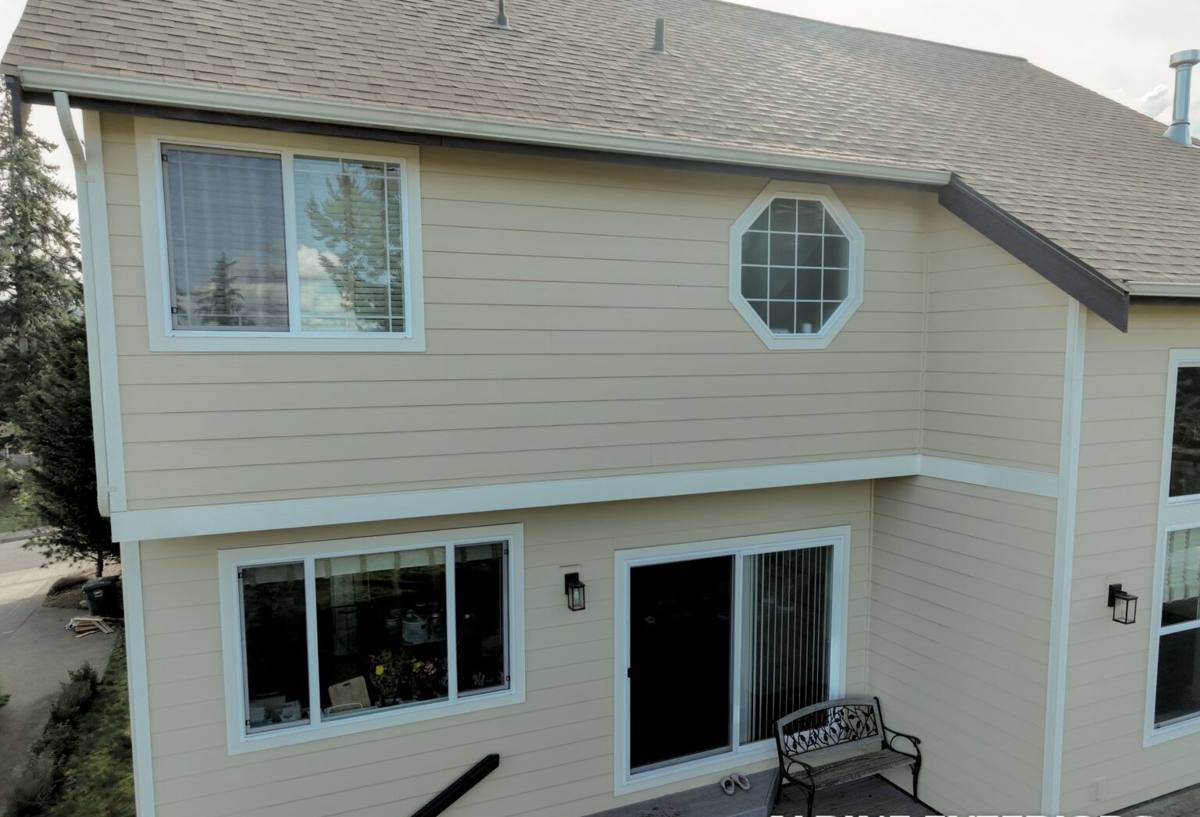
What Bellingham's Climate Does to a Shingle Roof
Salt Air and Moisture
Homes closer to the water pick up salt-laden air that accelerates corrosion on exposed metal — nail heads, flashing, vent caps, and gutter hardware. Over time, corroded fasteners and flashing are one of the more common causes of hidden leaks we find on older York roofs, long before the shingles themselves are worn out.
Driving Rain
Bellingham doesn't just get a lot of rain — it gets wind-driven rain that can push water sideways under shingle edges, around chimneys, and into valleys. A roof that's fine in a straight downpour can still leak in a sideways storm if the underlayment and flashing weren't installed to handle that load. This is one of the biggest differences between a roof that's merely "shingled" and one that's actually weatherproofed for this region.
Moss and Shade
Whatcom County's long, cool, wet season is ideal moss-growing weather, especially on north-facing slopes and roofs shaded by mature trees, which are common throughout York's older lots. Moss holds moisture against the shingle surface, works its way under shingle tabs, and gradually lifts and degrades the roofing material. Left unmanaged, moss growth is one of the most common reasons we see otherwise sound asphalt roofs failing years ahead of their expected lifespan.
Signs a York Roof Needs Attention
- Moss or dark streaking concentrated on north-facing or shaded roof slopes
- Granules collecting in gutters or at downspout outlets
- Shingle tabs that are curling, cupping, or lifting at the edges
- Rust staining around vent boots, flashing, or exposed fasteners
- Soft spots, sagging, or visible daylight in the attic near roof penetrations
- Water stains on interior ceilings, especially after a windy rainstorm
- Missing or displaced shingles after a windstorm
Any one of these on its own isn't necessarily an emergency, but they're worth having looked at before the next wet season, since small issues at flashing points and valleys are far cheaper to fix than the water damage that follows if they're ignored.
What a Correct Asphalt Shingle Installation Involves
A shingle roof is a system, not just a layer of shingles. Skipping or shortcutting any part of the system is usually where premature leaks start, especially in a climate like this one.
Tear-Off and Deck Inspection
We remove the old roofing down to the deck rather than layering over existing shingles. This lets us actually inspect the sheathing for soft spots, water damage, or rot before anything new goes down — a step that matters more in a wet climate where hidden deck damage is common under older roofing.
Underlayment
A quality synthetic or self-adhered underlayment is the roof's real waterproof barrier — the shingles are the weather-facing layer, but the underlayment is what protects the deck if wind-driven rain gets past them. We pay particular attention to ice-and-water shield style membrane at eaves, valleys, and any low-slope transitions, since these are the areas most exposed to standing water and wind-driven rain in this climate.
Flashing
Flashing around chimneys, skylights, sidewalls, and roof-to-wall transitions is where the majority of shingle roof leaks actually originate — not the field shingles themselves. We use new flashing rather than reusing old, corroded pieces, and we integrate it properly with the underlayment rather than just caulking gaps.
Ventilation
Proper intake and exhaust ventilation keeps the attic dry and temperature-balanced, which protects the shingles from below and helps prevent condensation issues that are common in our humid climate. Poor ventilation can also void manufacturer warranties, so it's not an optional detail.
Shingle Installation
Correct nailing pattern, exposure, and starter course installation matter more than they get credit for. Under-nailed or improperly aligned shingles are far more likely to lift in wind and let rain drive underneath during a storm.
Repair vs. Replacement: How We Evaluate It
| Situation | Typical Approach | Why |
|---|---|---|
| Isolated leak, roof under 15 years old | Targeted repair | Localized flashing or shingle damage doesn't mean the whole roof has failed |
| Heavy moss coverage, shingles still intact underneath | Moss removal + treatment, possible repair | Addressing the moisture source can extend remaining roof life |
| Widespread granule loss, curling shingles roof-wide | Full replacement | The shingle material itself is past its service life |
| Multiple past leaks, deck damage found during inspection | Full replacement with deck repair | Underlying structure needs to be sound before new roofing goes down |
| Roof over 20-25 years old, various minor issues | Replacement usually more cost-effective long term | Repeated repairs on an aging roof rarely add up to good value |
We'll always give you a straight answer on which category your roof falls into, including when a repair is genuinely the better call rather than pushing a full replacement you don't need yet.
Choosing Shingles for This Climate
Not all asphalt shingles perform the same in a wet, moss-prone climate. We generally steer homeowners toward architectural (laminated) shingles over basic three-tab options for York roofs, for a few honest reasons:
- Wind resistance — architectural shingles are heavier and typically rated for higher wind speeds, which matters during Bellingham's fall and winter windstorms
- Algae resistance — many manufacturers offer shingles with copper or zinc granules that resist algae and moss growth better than standard granules, worth the modest upcharge in a shaded, wet lot
- Warranty structure — most manufacturer warranties require proper ventilation and installation by a qualified installer to remain valid, so the installation quality matters as much as the product choice
- Appearance longevity — heavier shingles tend to hold their look longer under constant moisture exposure compared to lighter-weight options
We don't push a specific brand — we'll walk through the options and trade-offs and let you decide based on budget and how long you plan to stay in the home.
Our Process for York Homeowners
1. On-Site Inspection
We walk the roof and attic in person rather than quoting off a photo or satellite image, since flashing and ventilation issues aren't visible from the ground.
2. Honest Assessment
You'll get a clear explanation of what we found, what's urgent, what can wait, and what your realistic options are — repair, partial replacement, or full replacement.
3. Written Estimate
A detailed, itemized estimate so you know what you're paying for — materials, labor, and any deck repair or flashing work identified during inspection.
4. The Work Itself
Tear-off, deck inspection, underlayment, flashing, ventilation, and shingle installation done in the sequence outlined above — not shortcuts to save a day of labor.
5. Final Walkthrough
We review the completed roof with you, including gutters and downspouts, before we consider the job done.
Why Local Experience in York Matters
Roofing crews that work across a wide, generic service area often treat every job the same way regardless of climate. A crew that regularly works in Whatcom County neighborhoods like York already knows which roof slopes tend to hold moss, which older homes commonly have deck damage under the shingles, and which flashing details tend to fail first in wind-driven rain off the bay. That familiarity shows up in fewer surprises during tear-off and a roof that's built for the conditions it will actually face, not just a generic install.
We also stand behind the work after the job is done. If a flashing detail or shingle edge doesn't perform the way it should once the roof has been through a real Bellingham storm season, that's on us to make right.
Maintaining Your Shingle Roof Between Services
- Keep gutters and downspouts clear so water isn't backing up under the eaves
- Trim back tree limbs that shade the roof and drop debris, especially on north-facing slopes
- Have moss treated before it spreads across a full slope, not after
- Schedule a roof inspection after any major windstorm
- Address small leaks immediately — attic moisture problems get worse quickly in our humidity
If you're in York and dealing with an aging roof, active leak, or heavy moss buildup, we're happy to take a look and give you a straightforward, no-pressure estimate on what it would take to fix it right. Use the form below to get started.