 Bellingham Exterior
 Building Decks in Birchwood: Why Bellingham's Climate Changes the Job
Birchwood sits close enough to Bellingham Bay and the surrounding wetlands that homes here deal with a specific combination of weather most inland decks never see: salt-laden air drifting off the water, long stretches of driving rain from fall through spring, and shade cover from mature trees that keeps surfaces damp well after a storm passes. None of that is a reason to avoid building a deck — it just changes what "correct" looks like. A deck built to a generic national spec will often look fine for the first year or two in Whatcom County, then start showing problems that a climate-aware build would have avoided from the start: soft spots at the ledger, corroding fasteners, and a moss carpet that never fully dries out.
We build decks in Birchwood the way we'd want one built for our own house here — with the framing, hardware, and drainage details sized for this specific weather, not for a catalog spec sheet written for a dry climate.
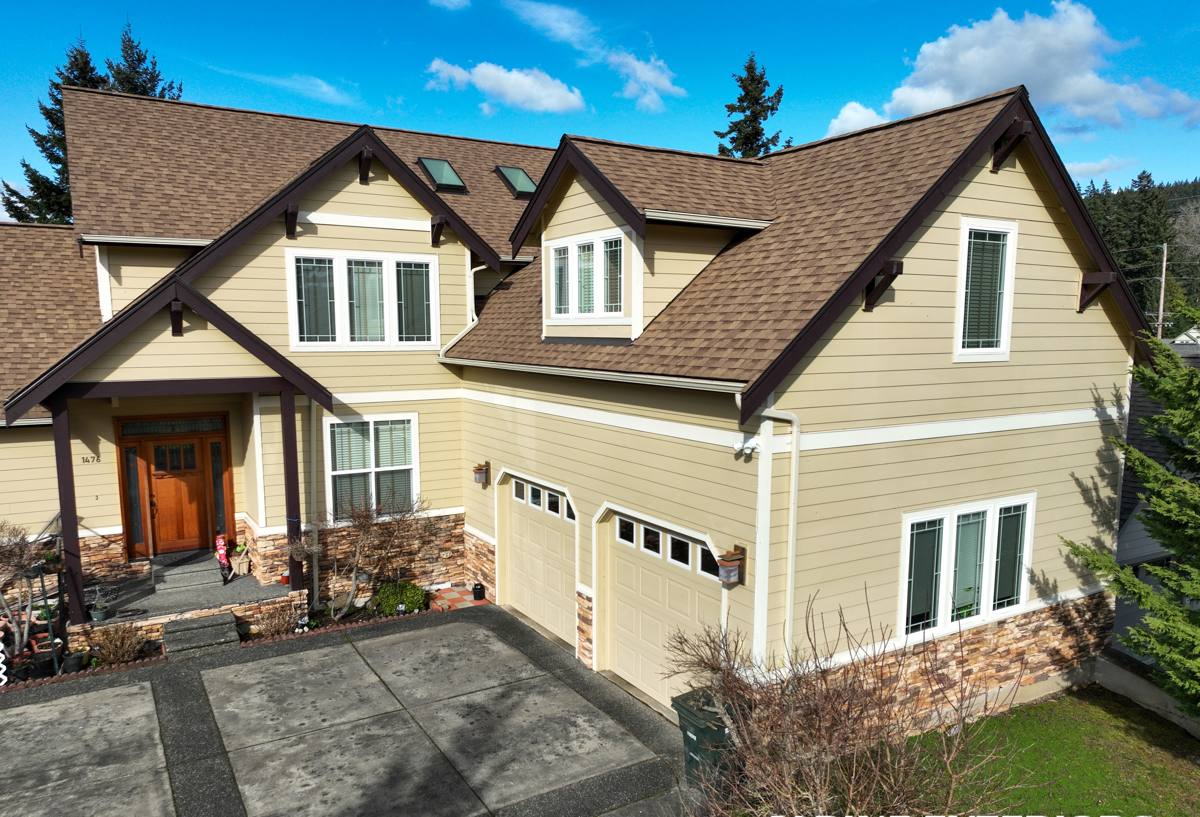
What a Birchwood Deck Actually Needs to Hold Up
Every deck faces gravity and foot traffic. A deck in Birchwood also faces near-constant moisture cycling — wet, then damp, then wet again, for months at a time — plus airborne salt that accelerates corrosion on anything metal. The homes that hold up best over a decade share a few traits in the build:
- Structural lumber and connectors rated for wet-use and coastal exposure, not just standard pressure-treated stock
- Positive drainage under and around the deck so water has somewhere to go besides pooling against the house
- Fasteners and hardware matched to the decking material to avoid galvanic corrosion, especially with certain composite and metal railing combinations
- Gaps and airflow built into the design so boards can actually dry between rain events instead of staying damp
- A surface material and finish chosen with moss and algae growth in mind, since shaded, damp decks in this area grow it faster than homeowners expect
Skipping any one of these doesn't usually cause an immediate failure — it shows up two, five, or ten years later as rot at the ledger, rusted-out joist hangers, or a deck surface that's slick and green by December no matter how often it's swept.
Framing and Structure: Where Most Long-Term Problems Start
The Ledger Connection
The ledger board — where the deck attaches to the house — is the single most common point of failure on decks in wet climates, and it's almost always because flashing was skipped or done wrong. Water runs down the siding, gets behind the ledger, and sits there. In a region with as much sustained rainfall as Whatcom County gets, an unflashed or poorly flashed ledger connection can lead to hidden rot long before anything looks wrong on the surface. A correct ledger detail uses proper flashing that sheds water away from the house structure, not just caulk, which breaks down and fails silently.
Footings and Frost Depth
Footings need to be sized and set to the depth required by local code, with attention to drainage around the footing itself. Soil in this area holds moisture longer than sandier inland soils, so we pay attention to how footings drain and whether the post base sits in standing water after a storm rather than above it.
Joist Spacing and Hardware
Tighter joist spacing than the bare minimum gives a stiffer, longer-lasting deck and better support for whatever surface material goes on top, especially composite boards, which can be less forgiving of wide spans than solid wood. All structural connectors — joist hangers, post bases, screws — should be corrosion-resistant hardware rated for treated lumber and coastal exposure. Standard electro-galvanized hardware corrodes faster here than it would inland, and once a hanger rusts through, the fix means tearing into the structure to replace it.
Choosing a Decking Material for This Climate
There's no single "best" decking material — there's a best fit for a given budget, maintenance appetite, and how much sun or shade the deck actually gets. Shaded decks under tree cover, which describes a lot of lots in and around Birchwood, hold moisture longer and need a material and finish schedule that accounts for that.
| Material | Upfront Cost | Maintenance | Moss/Moisture Behavior | Typical Lifespan |
|---|---|---|---|---|
| Pressure-treated wood | Lowest | Annual cleaning and re-sealing recommended | Absorbs moisture; needs regular sealing to resist moss and cupping | 15-20 years with upkeep |
| Cedar | Moderate | Periodic cleaning, oil or sealant every 1-2 years | Naturally rot-resistant but still needs sealing in shaded, damp spots | 15-25 years with upkeep |
| Composite | Higher | Periodic washing, no sealing/staining needed | Doesn't rot, but can grow surface moss/algae in deep shade if not cleaned | 25-30 years, manufacturer-dependent |
| PVC | Highest | Low — occasional washing | Fully moisture-resistant surface, though still needs cleaning to prevent surface algae film | 25-30+ years, manufacturer-dependent |
We don't push one material over another as a rule — we walk through how much sun the specific site gets, how much maintenance the homeowner actually wants to keep up with, and budget, then land on the option that makes sense. Where we do push back is on cutting corners within a material choice: thinner-gauge treated lumber, undersized fasteners, or skipping a sealant schedule a manufacturer specifies, because those shortcuts show up as problems well before the structure otherwise would have needed attention.
Moss, Algae, and Drainage: The Long Wet Season Problem
Whatcom County's moss season isn't a few weeks — on shaded, damp surfaces it can run most of the fall through spring. A deck that doesn't drain well, or that traps moisture under low-clearance framing, becomes a moss and algae surface almost year-round, which isn't just unsightly — it's a slip hazard on stairs and landings.
Good drainage design addresses this at three levels:
- Under the deck: grading and, where needed, a drainage system so water doesn't pool under low decks and stay trapped against framing
- Between the boards: correct board spacing so water sheds through rather than sitting on the surface
- On the surface: a finish or material choice that doesn't hold a moisture film, plus a realistic cleaning schedule the homeowner can actually keep up with
For decks tucked under heavy tree cover — common on wooded Birchwood lots — we'll also talk through whether some canopy trimming makes sense to get more sun and airflow onto the deck surface, since that alone can cut moss growth significantly without any change to the deck itself.
Railings, Fasteners, and Hardware Near Salt Air
Salt-laden air off Bellingham Bay accelerates corrosion on lower-grade metal hardware faster than most homeowners expect, especially on railings, screws, and structural connectors. We spec stainless or coated hardware rated for coastal/marine exposure on connections that matter structurally, and we're deliberate about matching railing hardware to the railing material to avoid galvanic corrosion — a common problem when incompatible metals touch and one corrodes rapidly as a result. It costs more up front than generic hardware. It also means you're not replacing rusted brackets or streaked, corroded railing posts a few years in.
Permits and Code in Bellingham and Whatcom County
Most deck builds above a certain height or attached to the home require a permit, with inspections at the framing stage and again at completion. Requirements that typically come into play include:
| Item | What It Covers |
|---|---|
| Guardrails | Required above a code-specified height difference from grade, with minimum height and baluster spacing rules |
| Footing depth | Set to meet local frost and soil-bearing requirements |
| Ledger attachment | Inspected to confirm proper flashing and fastening to the house structure |
| Stairs | Rise, run, and handrail requirements for safe, code-compliant egress |
| Setbacks | Distance from property lines, which can vary by lot and zoning |
We handle the permit application and coordinate inspections as part of the build, so the homeowner isn't the one tracking down code requirements or scheduling city inspectors.
How Our Process Works, Start to Finish
- Site walk and consultation: we look at sun/shade exposure, drainage, existing structure (if it's a rebuild), and talk through material and layout options for the specific lot
- Design and proposal: a clear scope covering material, structural approach, and a straightforward cost breakdown — no vague allowances
- Permitting: we pull the permit and schedule required inspections before work starts
- Demo (if replacing an existing deck): old decking and, where needed, framing removed and hauled off
- Framing: footings, ledger flashing, joists, and structural connectors built to the spec discussed up front
- Decking and railing installation: surface material and railing system installed per manufacturer specs
- Final walkthrough: we go over the finished deck together, including what maintenance it needs going forward
Maintaining a Deck Through Whatcom County's Wet Season
Even a well-built deck needs some seasonal upkeep in this climate. A simple maintenance rhythm goes a long way toward hitting the lifespans in the table above:
- Sweep leaves and debris off the surface regularly through fall — trapped wet leaves are one of the biggest drivers of moss and surface staining
- Clean the surface at least once or twice a year with a deck-safe cleaner to remove algae film before it builds up
- Check and reseal wood decking on the manufacturer's recommended schedule, typically every 1-2 years for cedar and treated lumber
- Inspect railings and structural hardware yearly for early signs of rust or corrosion, especially near the water
- Keep gutters and downspouts clear so roof runoff isn't dumping extra water onto or under the deck
- Trim back overhanging branches where practical to improve sun exposure and airflow
Why a Crew That Already Works in Birchwood Makes a Difference
A contractor who builds decks across a wide range of climates has to relearn local conditions on every job. A crew that already works Birchwood and the surrounding Bellingham area has already seen how specific lots drain, how much shade a given tree line throws across a deck through the seasons, and which hardware actually holds up a few years out versus which corrodes early. That local pattern recognition is the difference between a deck that's designed for "outdoor use" in general and one that's actually built for this specific stretch of Whatcom County — salt air, long rainy stretches, and all.
If you're planning a new deck or replacing one that's showing its age, we're happy to walk the site with you and put together a straightforward, no-pressure estimate — just fill out the form below to get started.