 Bellingham Exterior
 Custom Decks Built for York's Marine Climate
York sits close enough to Bellingham Bay and the broader Whatcom County shoreline that homes here deal with a specific mix of weather most inland decks never see: near-constant moisture, salt-laden air rolling off the water, and long stretches of gray, mossy months where a deck surface barely gets a chance to dry out. A deck built to a generic spec sheet, with standard fasteners and no real attention to drainage, tends to show its age fast in this environment. A deck built for York's conditions specifically — material selection, hardware, framing details, all of it — holds up the way it's supposed to.
This page covers what actually matters when you're building or replacing a deck in York: what the local climate does to decking over time, what a correctly built deck involves structurally, and how we approach the work so it's done right the first time.
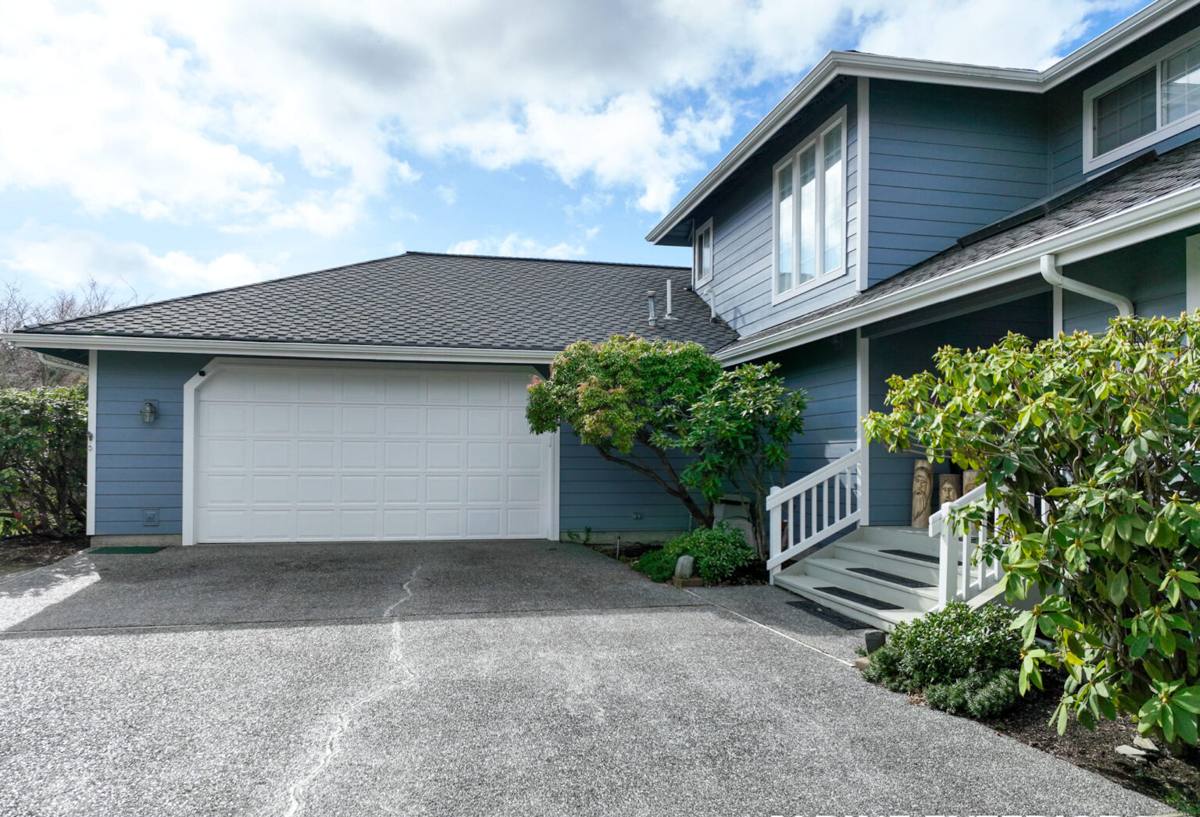
What Rain, Salt Air, and Moss Actually Do to a Deck Here
Driving Rain and Trapped Moisture
Bellingham doesn't just get rain — it gets rain that comes in sideways often enough that water finds its way into joints, fastener holes, and the underside of boards that would stay dry in a calmer climate. Any place water can collect and sit — a ledger board without proper flashing, a joist without protection on top, decking laid tight against the house — becomes the starting point for rot. It's rarely the top surface of a deck that fails first. It's almost always what's happening underneath, out of sight, months or years before a soft spot shows up on top.
Salt Air and Hardware Corrosion
Proximity to the water means airborne salt settles on everything outside, including your deck's fasteners, brackets, and connectors. Standard galvanized hardware wasn't designed for that kind of exposure. Over time it corrodes, and corroded fasteners lose holding strength quietly — you don't usually see it until a railing feels loose or a board starts to lift. This is one of the most common corners cut on decks built by crews unfamiliar with coastal conditions, because the hardware looks fine in the box and the failure doesn't show up for a few years.
Moss, Algae, and a Long Wet Season
Whatcom County's wet season runs long, and shaded or north-facing decks in particular stay damp for weeks at a stretch. That's exactly the environment moss and algae need. Beyond looking bad, a mossy deck surface gets genuinely slick and holds moisture directly against the wood or composite cap, which shortens the life of whatever material is underneath. Surface choice and airflow beneath the deck both affect how much of a problem this becomes.
Choosing the Right Decking Material for York
There's no single "best" decking material — the right choice depends on how much upkeep you want to do, your budget, and how exposed the deck is to sun, shade, and moisture. Here's how the common options compare for a climate like ours.
| Material | Moisture & Moss Resistance | Maintenance Needed | Typical Lifespan Here | Best For |
|---|---|---|---|---|
| Pressure-treated lumber | Good if sealed regularly; absorbs water at cut ends and fastener holes | Annual cleaning and resealing | Moderate, shorter if maintenance is skipped | Budget-conscious builds, homeowners willing to maintain it |
| Cedar | Naturally moisture- and insect-resistant, but still needs sealing to hold color and resist moss | Regular cleaning and periodic sealing | Moderate to long with upkeep | Homeowners who want a natural wood look and don't mind maintenance |
| Composite decking | Very good; resists rot and doesn't absorb water like wood | Occasional washing to prevent surface algae | Long | Homeowners who want low upkeep and consistent appearance |
| PVC / capped composite | Excellent; fully sealed surface sheds water and resists staining | Minimal — occasional rinse | Long | High-exposure decks near the water or in heavy shade |
We'll walk through these trade-offs with you on-site rather than push one product — the right call depends on how the deck sits relative to sun and shade, how it drains, and what you actually want to spend time maintaining.
What a Correctly Built Deck Involves
Ledger Board Attachment and Flashing
Where a deck attaches to the house is the single most common failure point on decks in this climate, and it's almost entirely a flashing issue. Water running down the siding needs a clear path away from the ledger board, not a path into it. Proper flashing, correctly lapped with the house's water-resistive barrier, is non-negotiable — it's also the detail most likely to get rushed on a fast, cheap build.
Framing, Joist Protection, and Fasteners
Joist tape over the top of framing lumber, stainless or coated fasteners rated for ground contact and coastal exposure, and hardware sized correctly for the load — these aren't upgrades, they're the baseline for a deck that's meant to last in Whatcom County weather. Cutting these corners doesn't show up on day one. It shows up as soft framing five or six years down the road.
Footings and Drainage Beneath the Deck
Footings need to be set below frost depth and sized for the actual load of the structure, and the ground underneath the deck needs somewhere for water to go. A low deck built over ground that doesn't drain traps moisture right where the framing lives, which speeds up everything listed above. Grading and, where needed, gravel or drainage work under the deck is part of doing this correctly, not an add-on.
Fasteners, Hardware, and Railings for Coastal Exposure
Given York's proximity to salt air, we treat hardware selection as a real decision, not an afterthought. That means stainless steel or high-grade coated fasteners at connection points, corrosion-resistant post bases and joist hangers, and railing hardware that's rated to actually hold up outdoors near the water rather than just indoors-rated components pressed into service. Railings themselves — whether wood, composite, cable, or metal — need the same consideration, since a railing post that loosens is a safety issue, not just a cosmetic one.
Our Process for a York Deck Project
Design and Planning
We start with an on-site look at the space — sun exposure, drainage, how the deck ties into the house, and what you actually want to use it for. That shapes material recommendations and layout before anything is finalized. Any required permitting through the City of Bellingham or Whatcom County is handled as part of this stage, not left for you to sort out.
Build
Framing, flashing, and fastener choices follow the standards above regardless of which decking material you choose. We don't change our approach to the parts you can't see based on budget — the visible material can flex to fit different price points, but ledger flashing, joist protection, and hardware grade don't.
Final Walkthrough
Before we consider the job done, we walk the finished deck with you — railings, gates, stairs, drainage — so you know what maintenance (if any) it needs going forward and what to watch for over time.
Keeping Your Deck in Shape Through Whatcom County's Wet Season
A well-built deck still needs some seasonal attention in a climate like ours. A short list of what actually matters:
- Sweep leaves and debris off the surface and out of gaps between boards regularly through fall
- Rinse or lightly scrub surfaces prone to moss, especially shaded areas, before it gets established
- Check that gaps between boards aren't clogged, since trapped debris holds moisture against the wood or composite
- Inspect railing posts and stair connections once a year for any looseness
- Reseal wood decking on the schedule appropriate to the product — don't wait until it's visibly gray and dry
- Keep the area underneath the deck clear of stored materials that block airflow and drainage
Why Hire a Crew That Already Works in York
A lot of what separates a deck that lasts fifteen-plus years from one that needs major repair in five comes down to details a homeowner isn't expected to know to ask about — flashing laps, fastener grade, footing depth for this specific soil and climate. A crew that already works in York and around Bellingham has seen how decks in this exact environment age, which details actually matter here, and which ones are just upsells. That's the difference we bring to a project — not a generic build, but one shaped by what actually holds up a few blocks from the water in Whatcom County.
If you're planning a new deck or replacing one that's showing its age, we're happy to take a look and talk through honest options for your property. Reach out through the form below for a free, no-pressure estimate.