 Bellingham Exterior
 Why Cordata Homes Need Windows Built for This Climate
Cordata sits in one of the wetter corners of Whatcom County, and the windows on most homes here are working harder than the ones in a lot of other parts of the country. Between the marine air rolling in off the Salish Sea, months of driving rain, and a moss season that seems to start earlier every year, window frames, seals, and sills take a steady beating. Standard, off-the-shelf windows are engineered for average conditions. Bellingham conditions are not average, and a window that isn't sized, sealed, and finished correctly for this specific climate will show it within a few years — fogged glass, soft trim, drafts you can feel standing across the room.
Custom windows solve a different problem than stock replacement windows. Instead of forcing a standard size into an opening that was never standard to begin with — common in older Cordata homes and additions — a custom window is built to the actual dimensions of your wall, with the right frame material and glazing for a coastal, moss-prone environment.
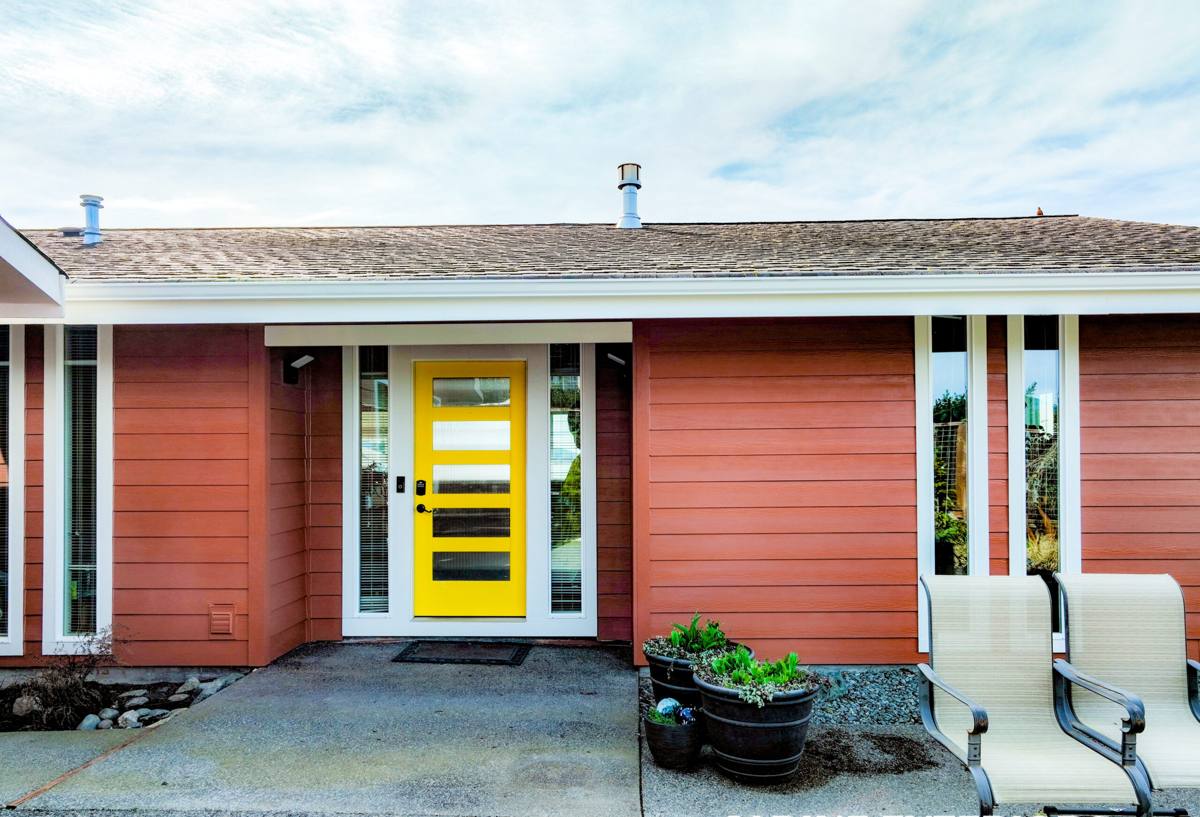
What "Custom" Actually Means Here
Custom doesn't mean expensive for its own sake. It means the window is built or selected to fit your home's actual openings, orientation, and exposure, rather than making your home fit a catalog size. That matters most in three situations we see constantly around Cordata:
- Older homes with slightly out-of-square or non-standard openings, where a stock window would need shimming, extra trim, and extra caulk to fake a fit
- Additions or bump-outs where the wall depth or siding profile doesn't match the original construction
- Homes facing prevailing weather (west and southwest exposures) that need heavier-duty sealing and glazing than a north-facing window in the same house
A correctly sized custom window uses less sealant to do the job, which matters because sealant is the first thing to fail under constant rain cycling. Less gap-filling means fewer places for water to find its way in over time.
Frame Material Matters More Here Than Most Places
Not every frame material handles Whatcom County's combination of moisture and salt-laden air the same way. We generally steer Cordata homeowners toward vinyl or fiberglass for most applications, and reserve wood or wood-clad for homes where the look is worth the extra maintenance commitment.
| Frame Material | How It Handles Local Climate | Maintenance Burden |
|---|---|---|
| Vinyl | Won't rot, doesn't corrode from salt air, good moisture resistance | Low — occasional cleaning |
| Fiberglass | Excellent dimensional stability in wet/dry cycling, very durable | Low — occasional cleaning |
| Wood-clad | Good if cladding is intact; exposed wood joints are vulnerable to driving rain | Moderate — needs inspection and occasional resealing |
| Solid wood | Attractive but most exposed to rot and moisture intrusion in this climate | High — regular painting/sealing required |
| Aluminum | Conducts cold, prone to condensation; hardware can corrode near salt air | Moderate to high |
None of these materials are "bad" products — the trade-off is honest: the more maintenance you're willing to put in, the more material and finish options open up. We'll tell you straight what a given material means for upkeep before you commit, rather than let you find out the hard way in year four.
The Problems We Actually See on Cordata Windows
When we get called out to look at failing windows in this neighborhood, the same handful of issues come up again and again:
Seal and Gasket Failure
Constant wet-dry cycling breaks down exterior sealant and window gaskets faster than in drier climates. Once a seal opens up, water gets behind the trim and into the wall assembly — often long before you see a stain inside.
Fogged or Failed Insulated Glass
Double- and triple-pane windows rely on a sealed gap between panes. Constant moisture exposure and temperature swings stress that seal. Once it fails, fog forms between the panes permanently — no amount of cleaning fixes it, the unit has to be replaced.
Moss and Algae Buildup on Sills and Trim
A long, damp moss season means anything horizontal — sills, exterior trim, the tops of frames — collects organic growth if it doesn't shed water and dry out properly. Moss holds moisture against the material it's growing on, which accelerates rot in wood components and can stain vinyl and fiberglass over time.
Drafts from Settling and Old Caulk
Homes settle, caulk dries out and cracks, and older single-pane or early double-pane windows in Cordata's older housing stock often have visible daylight gaps by the time we're called.
What a Correct Installation Actually Involves
The window unit itself is only part of the job. Most window failures we're asked to fix trace back to installation shortcuts, not the window product. A correct install in this climate includes:
- Removing and inspecting the opening — checking the sill, header, and surrounding framing for hidden rot or prior water damage before anything new goes in
- Proper flashing integration — the window's flashing has to tie into the home's existing weather-resistive barrier so water sheds down and out, not behind the siding
- Sill pan installation — a sloped, sealed pan under the window that captures any water that does get past the outer seal and directs it back outside
- Correct sealant selection and placement — the right sealant for the substrate, applied in the right locations (and not sealed everywhere, since some drainage paths need to stay open)
- Interior and exterior trim sealed and finished — so the finished opening sheds water and doesn't trap moisture against wood trim
Skip the sill pan or get the flashing sequence backwards, and you can install the best window on the market and still end up with rot in the wall a few years later. This is where hiring based on process, not just product, actually protects your home.
Glass and Performance Options
Beyond the frame, the glass package affects comfort, energy use, and how the window handles our weather day to day.
- Double-pane with Low-E coating — the standard baseline for this climate; the coating helps manage heat loss through our long, mild-but-damp winters
- Triple-pane — better insulating performance and sound dampening, at added weight and cost; worth considering on street-facing or west-exposed walls
- Argon or krypton gas fill — improves insulating value between panes; a low-cost upgrade on most quotes
- Tempered glass — required by code in certain locations (near doors, low to the floor, near stairs) — we'll flag where this applies during assessment
Our Process for Cordata Homeowners
We keep the process straightforward because the details are what matter, not the sales pitch:
- On-site assessment — we look at your existing windows, openings, exposure, and any signs of past water intrusion before recommending anything
- Precise measurement — every opening gets measured individually; we don't assume uniform sizing even within the same wall
- Material and glass selection — based on exposure, your budget, and how much upkeep you want to take on long-term
- Installation — following the flashing, sill pan, and sealing sequence above, not a shortcut version of it
- Final inspection and cleanup — checking operation, seal, and finish before we consider the job done
What Drives the Cost
Every quote is specific to the home, but the main variables are consistent from job to job:
| Factor | Why It Affects Price |
|---|---|
| Frame material | Vinyl is generally the most budget-friendly; fiberglass and wood-clad cost more upfront |
| Glass package | Triple-pane and gas fills add cost over standard double-pane Low-E |
| Opening condition | Hidden rot or framing repair found during removal adds labor and material |
| Window size and count | Larger openings and full-home replacements have different per-unit economics than a single window swap |
| Access and exposure | Second-story or hard-to-reach openings take more time and equipment |
We'd rather walk your home and give you real numbers than throw out a broad range that doesn't hold up once we see the actual openings.
Living With Custom Windows in a Coastal Climate
Even a correctly installed window benefits from a little seasonal attention here:
- Rinse sills and tracks periodically during moss season to keep organic buildup from taking hold
- Check exterior caulk lines once a year for cracking, especially after a hard winter
- Keep gutters and downspouts clear so runoff isn't sheeting directly over window heads
- Operate hardware a few times a season so moving parts don't seize from disuse in damp weather
- Watch for soft spots in wood trim or sills early — caught early, it's a small repair; caught late, it's a full opening rebuild
Why a Crew That Already Works Cordata Matters
Whatcom County's mix of older housing stock, coastal exposure, and long wet seasons isn't something you learn from a training manual — it's something you learn from doing installs here year after year. A crew that already works Cordata knows which exposures need the extra sealing detail, what the local permitting and inspection expectations look like, and how the housing stock in this specific area tends to be built. That local knowledge shows up in fewer callbacks and windows that actually perform the way they're supposed to through a full Bellingham winter, not just on a sunny install day.
If you're weighing custom windows for a Cordata home, we're happy to take a look, walk you through what we see, and put together a straightforward, no-pressure estimate. Use the form below to get started.