 Bellingham Exterior
 Why Decks in Puget Wear Differently Than Decks Inland
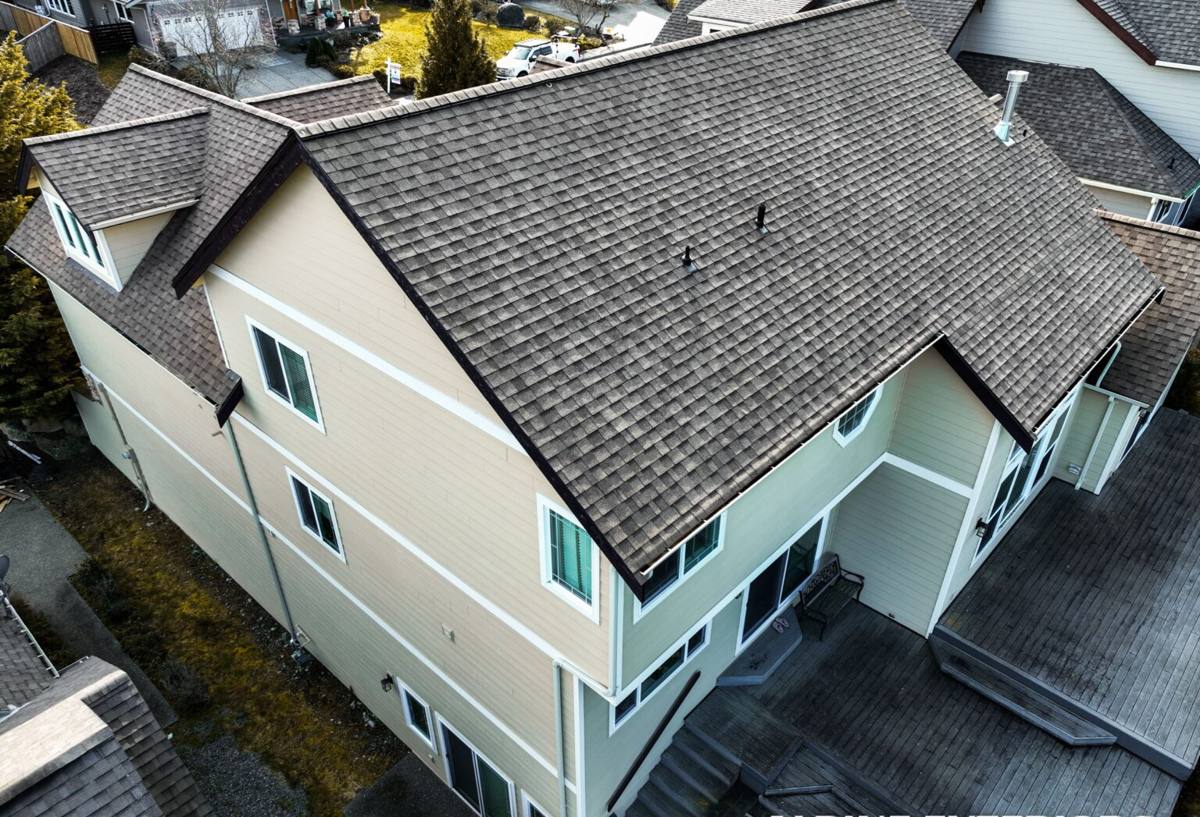
If you own a home in the Puget area of Bellingham, you've probably noticed your deck ages faster than a deck of the same age fifteen or twenty miles inland. That's not your imagination. Proximity to Bellingham Bay means more salt-laden air moving through the wood grain and settling on metal fasteners, more driving rain pushed sideways by wind off the water, and a moss and algae season that starts earlier in fall and doesn't really let go until late spring. Whatcom County's mild, wet climate is easy on people and hard on lumber.
A deck built to a generic code minimum, with standard hardware and no real attention to drainage, can look fine for a few years and then fail in ways that surprise homeowners — soft boards near the house, a ledger connection that's been quietly rotting behind the siding, or fasteners that have rusted enough to lose their grip. We repair decks in this neighborhood regularly enough to know which failure points show up first, and that's what shapes how we approach every repair here.
The Repair Issues We See Most Often in This Neighborhood
Moss, Algae, and Trapped Moisture
Moss doesn't just look bad — it holds water against the wood surface far longer than open air would, and that constant dampness is what drives rot, not the rain itself. On shaded decks, or decks under tree cover, moss can establish itself in the wood grain within a season or two if it isn't cleaned off regularly. Once it gets a foothold in board seams and around fastener heads, it accelerates decay right at the points where the deck is structurally weakest anyway.
Corroded Fasteners and Hardware
Salt air oxidizes standard fasteners faster than it would in a drier inland climate. We routinely find nails, screws, and joist hangers on Puget-area decks that have rusted well ahead of the wood around them — sometimes the metal is the actual point of failure, not the lumber. A deck can look structurally sound from the top and still have hardware underneath that's lost most of its holding strength.
Ledger Board and Flashing Failures
The ledger board — where the deck attaches to the house — is the single most common serious repair we deal with. Driving rain forced sideways by wind off the water finds its way behind poorly flashed ledger connections, and once water gets between the ledger and the house sheathing, it rots quietly, out of sight, until the deck starts to feel spongy or pulls slightly away from the house.
Standing Water and Poor Drainage
Decks built without a slight pitch away from the house, or with boards installed too tightly together, trap standing water after our long rainy stretches. That water has nowhere to go, so it soaks into the wood instead of running off, shortening the life of the boards well before their expected age.
What a Correct Deck Repair Actually Involves
A proper repair starts with a full inspection, not just a patch on the spot the homeowner noticed. We check the ledger connection and flashing, probe joists and beams for soft spots, inspect footings and post bases for movement or rot, and test fastener integrity — not just the boards on top. Surface-level problems are often a symptom of something happening underneath, and repairing only what's visible tends to mean another repair call within a year or two.
| Deck Component | What Salt Air, Rain, and Moss Do To It | Our Repair Approach |
|---|---|---|
| Ledger board / flashing | Hidden rot from water intrusion behind the house connection | Remove siding as needed, replace flashing with proper overlap, rebuild ledger if compromised |
| Deck boards | Moss growth, cupping, soft spots, splintering | Replace failed boards, re-space for drainage, clean and treat remaining boards |
| Joists and beams | Rot at fastener points, corroded hangers | Sister damaged joists, replace hangers with corrosion-resistant hardware |
| Fasteners and hardware | Rust, weakened holding strength | Upgrade to stainless or coated fasteners rated for coastal exposure |
| Posts and footings | Base rot, frost heave, settling | Repair or replace post bases, confirm footing depth and drainage |
| Guardrails and stairs | Loosened connections, wobble from moisture cycling | Re-secure or rebuild to current safety spacing and load standards |
Repair or Replace: How We Make That Call
Not every problem deck needs a full rebuild, and not every "just replace a few boards" job is actually enough. We look at the age of the structure, how much of the framing is affected versus just the surface boards, and whether the original build had adequate flashing and drainage to begin with. A deck with rotten boards but sound framing is usually a straightforward board replacement. A deck with a compromised ledger or multiple rotted joists is often more cost-effective to rebuild in sections than to keep patching piece by piece.
- Soft or spongy spots near the house usually point to ledger or flashing failure — this gets prioritized first, since it's a structural connection
- Surface graying and moss with a solid feel underneath is typically a cleaning and refinishing job, not a repair
- Wobble in the railing or stairs means loose connections that should be fixed before they become a fall hazard
- Rust streaks running down from fastener heads are an early warning sign, even if the wood still looks fine
- Standing water that doesn't drain within a few hours after rain points to a pitch or spacing problem, not just a board problem
Our Process for Puget-Area Deck Repairs
We start with an on-site inspection where we walk the whole deck, check underneath where accessible, and probe any suspect areas rather than just looking at the surface. From there we give you a straightforward assessment of what's actually wrong, what it will take to fix correctly, and what we'd recommend versus what's optional. Once we're working, we replace what's failed, upgrade hardware to fasteners suited for salt-air exposure, correct flashing and drainage where the original build fell short, and make sure the repair addresses the cause of the damage — not just the symptom you called about.
We don't push full replacements when a targeted repair will hold up. We also don't recommend a patch job when the framing underneath tells us it won't last. The goal is a repair that's still solid five or ten years from now, not one that gets you through this season.
Materials and Hardware We Use in This Climate
Given the salt air and near-constant moisture exposure in the Puget area, we favor stainless steel or heavily coated fasteners over standard galvanized hardware, proper self-adhering flashing tape at the ledger and any deck-to-house connection, and joist tape on top of framing members to shed water before it can sit against the wood. These aren't upgrades for their own sake — they're the difference between a repair that lasts and one that fails again in a few years in this specific environment. We'll walk you through the material choice for your deck and explain the tradeoffs honestly, including where a lower-cost option is genuinely fine and where it isn't.
Keeping Your Deck Ahead of Moss and Moisture
Whatcom County's long wet season means deck maintenance here isn't optional the way it might be in a drier climate. A little regular upkeep goes a long way toward avoiding the kind of repair calls we described above.
- Sweep debris and standing water off the deck surface after storms, especially in shaded areas
- Clean moss and algae off boards at least once a year, ideally before it has a chance to establish in the grain
- Check fastener heads periodically for rust streaks or loosening
- Look at the ledger board area where the deck meets the house for any soft spots, gaps, or discoloration
- Keep gutters and downspouts clear so runoff isn't draining directly onto or under the deck
- Reseal or refinish exposed wood on the schedule recommended for the specific product used
Why a Crew That Already Works in Puget Makes a Difference
A contractor who mostly works inland may not think twice about fastener choice or flashing detail, because their decks simply don't face the same exposure. Working regularly in the Puget area and around Bellingham Bay means we already know where the driving rain hits hardest, which deck orientations get the worst moss growth, and which original construction shortcuts tend to cause trouble a few years down the line. That local pattern recognition means less guesswork during the inspection and a repair plan that's built for the conditions your deck actually faces, not a generic one.
If your deck has soft spots, visible rot, stubborn moss, or just feels like it's past due for a real look, we're happy to come out and give you a straightforward, no-pressure assessment. Use the form below to request a free estimate, and we'll tell you honestly what needs attention and what can wait.