 Bellingham Exterior
 Roofing Built for How Barkley Actually Weathers
Barkley sits a few miles inland from Bellingham Bay, but "inland" doesn't mean sheltered. Homes here still take on salt-laden air moving off the Salish Sea, long stretches of driving rain through fall and winter, and enough shade and moisture from mature landscaping to keep moss growing nearly year-round. A roof in this neighborhood isn't fighting one problem — it's fighting three at once, slowly, for decades. That's the context every roof replacement decision here needs to start from.
We work on homes throughout Barkley and the surrounding Bellingham area regularly enough to know which failure patterns show up first, which materials actually hold up, and which shortcuts cause the callbacks we get asked to fix a few years later. This page covers what a roof replacement should involve for a Barkley home specifically — not a generic national rundown.
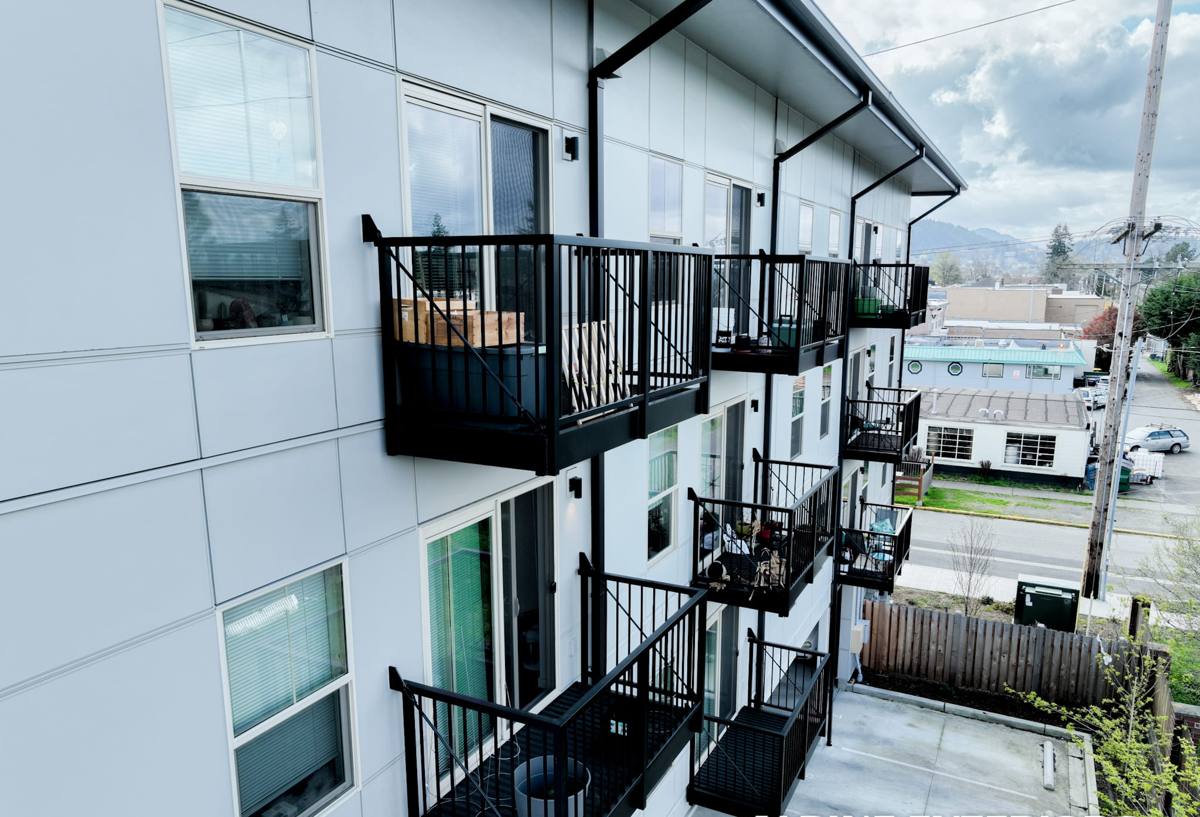
What Whatcom County Weather Does to a Roof
Moss and Organic Growth
Shaded roof planes, especially north-facing slopes and areas under tree canopy, stay damp far longer here than in drier climates. Moss doesn't just look bad — it holds moisture against the roofing surface, works its way under shingle tabs, and lifts edges as it grows. Left untreated over several seasons, moss-related lifting is one of the most common reasons we find premature leaks on roofs that are otherwise only 12-15 years old.
Driving Rain
Storms coming off the Sound don't always fall straight down — wind-driven rain pushes water sideways and up under laps, flashing, and vents. A roof that's fine in a light vertical rain can still leak in a sideways Whatcom County storm if the underlayment, flashing details, and fastening weren't done with that in mind.
Salt Air Corrosion
Salt air travels further inland than most homeowners expect, and it's persistent. Exposed metal fasteners, cheap flashing, and lower-grade pipe boots corrode faster near Bellingham Bay than they would 50 miles east. It's a slow process, but it's why we don't treat fastener and flashing material choice as a minor detail on this side of the state.
Signs a Barkley Roof Is Telling You It's Done
Roof replacement is a big-ticket decision, and it's fair to want to be sure before committing to it. These are the signs we look for that usually mean repair isn't the right call anymore:
- Granule loss heavy enough that you're finding shingle grit in gutters every time you clean them
- Shingle edges curling, cupping, or visibly lifting, especially on shaded or moss-prone slopes
- Soft spots or sagging when walked on, which usually means decking damage underneath
- Daylight visible through the roof deck from inside the attic
- Repeated leaks around the same penetration or valley despite prior patching
- Roof is 20+ years old and has never had a full tear-off, only layered repairs
- Visible moss growth that keeps returning within a season or two of cleaning
If a roof is showing one or two of these and is otherwise sound, a repair or moss treatment may still make sense. When several show up together, replacement is almost always the more honest recommendation — and the cheaper path over time.
What a Correct Roof Replacement Actually Involves
A roof replacement done right in this climate isn't just stripping old shingles and nailing down new ones. The parts that don't show are what determine whether the roof lasts 10 years or 30.
Full Tear-Off, Not Overlay
We remove existing roofing down to the deck rather than layering over it. Overlaying traps moisture that's already worked its way in, hides decking damage, and voids most manufacturer warranties outright.
Decking Inspection and Repair
Once the old roofing is off, we inspect the plywood or plank decking for soft spots, delamination, or rot — common wherever moss or slow leaks have been sitting for years. Damaged sections get replaced before anything new goes down; skipping this step is one of the most common corners cut in cheap roof jobs.
Underlayment Suited to Wind-Driven Rain
Given how often rain here comes in sideways, we use synthetic or ice-and-water underlayment at eaves, valleys, and penetrations — not just a single layer of felt across the field. This is one of the cheapest upgrades in a roof system and one of the most important in this climate.
Flashing and Fasteners That Handle Salt Air
Corrosion-resistant flashing and fasteners cost more up front and matter more near the coast. We don't use bargain-grade metal at valleys, chimneys, or pipe boots on Barkley homes, because that's exactly where salt air does its damage first.
Ventilation That Actually Balances
Intake and exhaust ventilation have to work together — enough soffit intake to match the ridge or box vent exhaust. Unbalanced ventilation traps moisture in the attic, which accelerates decking rot and, ironically, makes moss regrowth on the roof surface worse, not better.
Choosing a Roofing Material for This Climate
Most Barkley homes we work on land on architectural asphalt shingle, but it's worth understanding the honest trade-offs between the common options rather than assuming one is automatically right.
| Material | Moss/Moisture Behavior | Wind-Driven Rain Performance | Typical Lifespan | Relative Cost |
|---|---|---|---|---|
| Architectural asphalt shingle | Good with algae-resistant granules; needs periodic cleaning on shaded slopes | Strong when properly underlaid and fastened | 25-30 years | $ |
| 3-tab asphalt shingle | More prone to early granule loss and lifting | Adequate but less margin for error | 15-20 years | $ |
| Standing seam metal | Excellent — sheds moss and debris well | Excellent | 40-50+ years | $$$ |
| Composite/synthetic shake | Good, but installation quality matters more | Good | 30-40 years | $$$ |
We don't push metal or composite roofing on every homeowner, even though both perform well here — the upfront cost is a real trade-off against a longer service life, and not every budget or resale timeline calls for it. What matters more than the material label is installation quality: a well-installed architectural shingle roof will consistently outlast a poorly installed premium product. Our job is to walk through those trade-offs honestly rather than upsell a product line.
Our Roof Replacement Process
- On-site inspection — we walk the roof and attic, checking decking, ventilation, flashing condition, and moss/moisture patterns specific to your lot and tree cover.
- Written estimate — a clear scope covering tear-off, decking allowance, material choice, flashing, and ventilation work, with no vague allowances buried in fine print.
- Permitting — City of Bellingham or Whatcom County permitting handled as required before work starts.
- Tear-off and deck inspection — old roofing removed, decking assessed and repaired as needed, with photos of any issues found before covering them back up.
- Underlayment, flashing, and shingle installation — installed to manufacturer spec, with extra attention at valleys, eaves, and penetrations given our rain patterns.
- Ventilation check — intake and exhaust balanced, not just exhaust added without matching intake.
- Cleanup and magnetic sweep — job site and yard cleared of debris and stray fasteners.
- Final walkthrough — we go over the finished roof and warranty paperwork together before calling the job done.
Keeping a New Roof Ahead of Moss and Moisture
A new roof still needs a little ongoing attention in this climate, especially on shaded slopes. Simple habits go a long way toward getting the full lifespan out of the investment:
- Keep gutters and downspouts clear so water isn't backing up under the eaves
- Trim back overhanging branches to reduce shade and debris buildup on the roof surface
- Have moss growth treated early, before it lifts shingle edges, rather than waiting for a heavier buildup
- Schedule a quick visual check after major wind or rainstorms, particularly around flashing and valleys
- Avoid pressure washing the roof surface directly — it strips protective granules and can force water under shingles
Why a Crew That Already Works Barkley Matters
A roofing crew that only occasionally works this side of Whatcom County can still do competent work, but there's real value in familiarity: knowing how the local permitting process runs, understanding how tree cover and lot orientation in this neighborhood affect moss patterns, and having a realistic sense of how driving rain off the bay behaves against a given roofline. We're not guessing at how Bellingham weather treats a roof over time — we're accounting for it in the estimate and the install from the start.
That familiarity also shows up in smaller, practical ways — knowing which flashing details tend to need extra attention on homes in this area, and not treating a Barkley roof replacement as identical to one done in a drier, inland climate.
Get a Straight Answer on Your Roof
If you're weighing repair against replacement, or just want an honest read on how much life is left in your current roof, we're happy to take a look. The estimate is free, there's no pressure attached to it, and you'll get a clear explanation of what we find — good or bad. Fill out the form below to get started.