 Bellingham Exterior
 Why Sehome Roofs Wear Differently Than Roofs Inland
Sehome sits close enough to Bellingham Bay that salt-laden air is a constant, low-grade stress on every exposed roofing material. Add in Whatcom County's long stretch of driving rain each fall and winter, plus a shade-heavy tree canopy around the hillside that keeps roof surfaces damp well after a storm passes, and you get a climate that ages roofs faster than sun-baked regions ever would. None of this means a Sehome roof is doomed to fail early — it means the repair work has to account for moisture that lingers, fasteners and flashing exposed to salt air, and moss that gets a head start every year the roof sheds sunlight and rain slowly instead of quickly.
A repair that ignores those conditions might look fine going back together and still fail within a season or two. That's the difference between a patch and a correct repair: understanding not just what broke, but why it broke in this specific climate, on this specific roof.
Signs a Sehome Roof Needs Repair, Not Just a Look
Most roof problems don't announce themselves with a dramatic leak. They show up as small, easy-to-dismiss signs first. Here's what we tell Sehome homeowners to watch for between fall and spring, when the region's rain does most of its damage:
- Dark streaking or a green-black cast on north-facing or shaded slopes — early moss and algae growth, not just cosmetic discoloration
- Granules collecting in gutters or at downspout outlets, a sign shingles are losing their protective surface
- Soft spots, sagging, or a slight bounce underfoot on a roof walk (we check this, not a reason to climb up yourself)
- Water stains on interior ceilings, especially near chimneys, skylights, or where two roof planes meet
- Curling, cracked, or lifted shingle edges, particularly on slopes that catch prevailing wind-driven rain
- Rusted, loose, or missing flashing around vents, chimneys, and valleys
- Visible daylight or gaps in the attic where roof meets wall
- Moss thick enough that you can no longer see the shingle texture underneath it
Any one of these on its own might be minor. Two or three together, especially heading into another wet season, usually means it's time for a proper look rather than waiting.
What a Correct Roof Repair Actually Involves
Diagnosis Before Patching
The most common mistake in roof repair isn't bad workmanship — it's fixing the visible symptom instead of the actual source. A stained ceiling in a back bedroom might trace back to a flashing gap three feet away, or it might be wind-driven rain forced sideways under a shingle course during a storm. We trace water paths on the roof deck and in the attic before we touch anything, because sealing the wrong spot just moves the leak somewhere less obvious.
Matching Materials and Transitions
A repair patch that doesn't match the surrounding roofing — in material, weight, or even sun-fading — creates a weak transition point where water can find a way in later. We match shingle profile and, where reasonably possible, color and wear, and we integrate new material into existing courses rather than laying it on top, so the repaired section sheds water the same way the rest of the roof does.
Flashing, Underlayment, and the Details That Actually Leak
The majority of leaks we find on Sehome homes trace back to flashing and underlayment, not the shingles themselves. Step flashing at walls, counter-flashing at chimneys, and valley metal all take a beating from constant moisture and salt air, and they're often the first thing to fail — sometimes years before the shingle field around them shows any wear. A correct repair replaces failed flashing and underlayment in the affected area rather than just re-sealing it with caulk, which is a short-term fix at best in this climate.
Common Roof Types in Sehome and How We Approach Each
Sehome's housing stock spans decades of construction, which means we see a real mix of roofing systems. Each one fails differently and calls for a different repair approach.
| Roof Type | Typical Issue in This Climate | Our Repair Approach |
|---|---|---|
| Composition (asphalt) shingle | Granule loss, moss under tabs, flashing rust | Section replacement matched to existing course, flashing renewed, moss treated at the source |
| Cedar shake or shingle | Moisture retention, splitting, moss and moss-driven rot | Selective shake replacement, improved airflow where possible, careful moss removal that doesn't tear the wood grain |
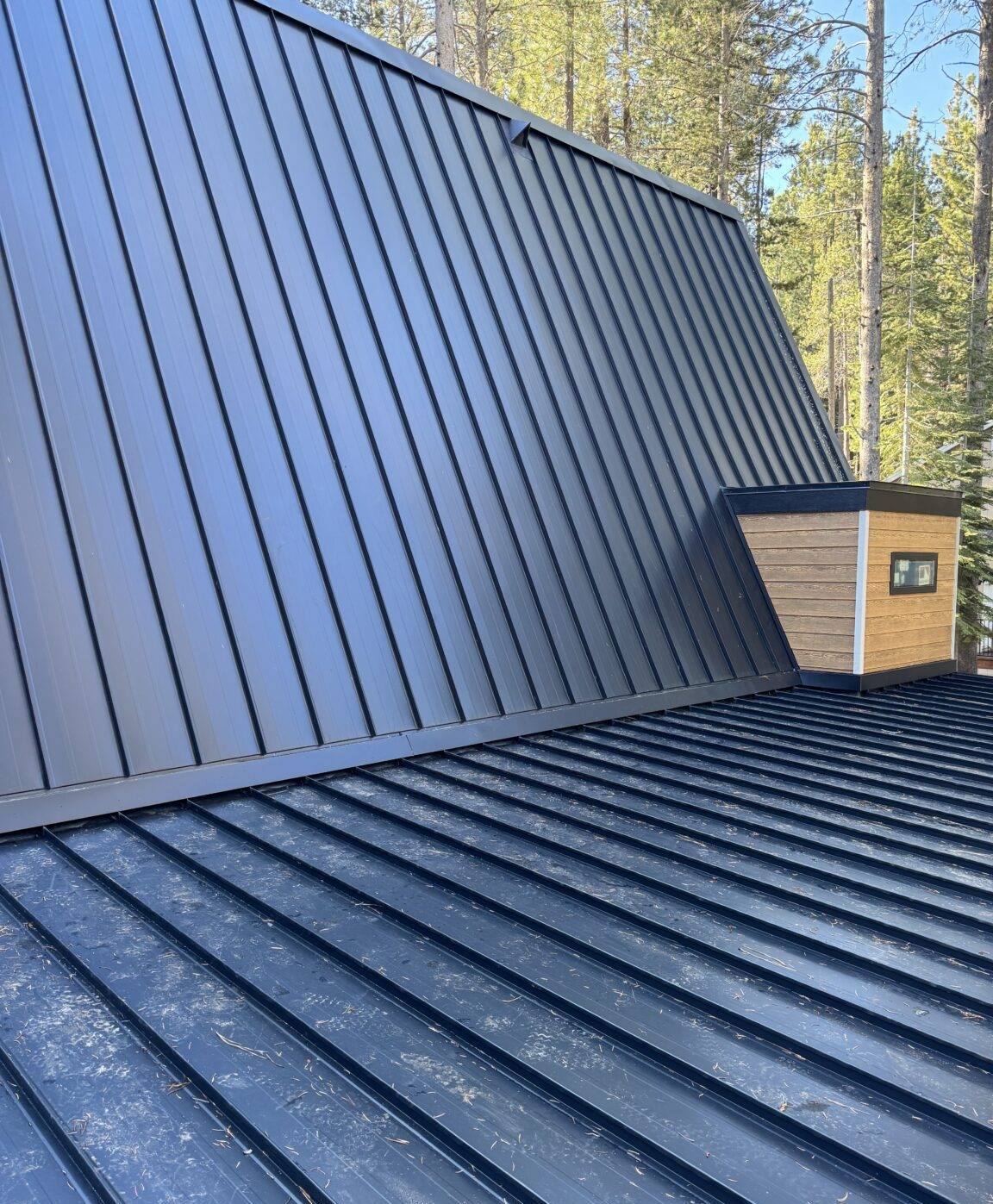
| Metal roofing | Fastener backout, sealant failure at penetrations, minor corrosion near the bay | Fastener and washer replacement, penetration reseal with compatible materials, corrosion spot treatment |
| Older flat or low-slope roofing | Ponding water, membrane seams opening, slow leaks that are hard to trace | Seam and membrane repair, drainage correction where the slope allows it, targeted patching over full replacement when the roof still has life left |
Our Repair Process, Start to Finish
We keep the process straightforward because homeowners deserve to know exactly what's happening on their own roof.
- Initial assessment — a full roof walk and attic check, not just a look from the ground
- Diagnosis and explanation — we show or describe what we found and why it's causing the problem, in plain terms
- A written scope and honest estimate — what needs to be done, what it involves, and what it costs, before any work starts
- The repair itself — matched materials, proper flashing and underlayment work, and cleanup of any moss or debris in the work area
- Final check — confirming the fix addresses the actual source, not just the symptom, and that surrounding areas are sound
We don't upsell a full replacement when a repair will genuinely hold. We also won't tell you a patch is fine when the underlying deck or structure is compromised — both calls come from the same honest assessment.
Repair or Replace? How We Help You Decide
Not every roof problem in Sehome needs a full replacement, and not every one can be solved with a patch. The decision usually comes down to a few concrete factors, not guesswork.
| Factor | Leans Toward Repair | Leans Toward Replacement |
|---|---|---|
| Age of roofing material | Well within expected service life | Near or past typical lifespan for the material |
| Extent of damage | Isolated to one section or system (flashing, one slope) | Widespread across multiple slopes or systems |
| Roof deck condition | Solid, no rot or soft spots found | Soft decking, rot, or repeated past leaks in the same area |
| Moss and moisture history | Recent, manageable growth with a clear cause | Long-term moss damage that's degraded the roofing material itself |
| Budget and timeline | Repair buys reasonable additional years at lower upfront cost | Repeated repairs are starting to cost as much as replacement would over time |
Moss, Moisture, and Keeping a Repair From Becoming a Recurring Job
Whatcom County's wet, shaded conditions mean moss isn't a one-time problem — it's a seasonal cycle. A repair that doesn't address moss growth and drainage around it will likely need attention again within a year or two, not because the repair was done poorly, but because the underlying cause was never dealt with. Part of a correct repair includes safely removing moss from the work area, checking that gutters and downspouts are actually moving water away from the roof, and flagging any tree cover that's keeping a section of roof shaded and damp longer than the rest.
We also recommend a simple maintenance rhythm for Sehome homeowners regardless of who does the work:
- A visual roof and gutter check each fall before the heavy rain sets in
- Prompt moss treatment at the first sign of growth, rather than waiting until it's thick
- Keeping gutters clear so water isn't backing up under the lowest shingle course
- Trimming back branches that keep a roof section shaded and slow to dry
- A prompt look at any new interior stain, even a small one, before the next storm makes it worse
Why Hiring a Crew That Already Works in Sehome Matters
Roof repair isn't a one-size-fits-all trade, and a crew that's worked across Bellingham and Whatcom County brings something a generalist can't: familiarity with how this specific climate and this specific neighborhood's housing stock actually behave over time. That includes knowing which roof types show up most often in Sehome's mix of older and newer homes, how local permitting works when a repair crosses into replacement territory, and how to work safely and efficiently on the tighter lots and hillside grades common in the area.
It also means fewer surprises. A crew unfamiliar with this region might underestimate how much moss and moisture have already worked into a roof system, or use materials and techniques better suited to a drier climate. Local experience means the estimate you get up front is more likely to match the work that actually needs doing.
What Homeowners Can Expect From Us
We aim to give Sehome homeowners a clear-eyed, honest read on their roof — no pressure toward a bigger job than is needed, and no shortcuts on a repair that deserves to be done right the first time. That means real diagnosis, matched materials, proper flashing work, and a straightforward explanation of what we found and why we're recommending it.
If you're seeing moss buildup, a stain on a ceiling, or just want an honest opinion on where your roof stands after another wet Whatcom County season, we're happy to take a look. Use the form below to request a free, no-pressure estimate — we'll walk the roof, tell you what we see, and give you a straight answer either way.