 Bellingham Exterior
 Blaine's Coastline Climate Asks More of Your Siding
Blaine sits right at the edge of Semiahmoo Bay, and that location comes with a specific set of weathering conditions most inland siding never has to face. Salt-laden air drifts in off the water and settles on exterior surfaces year-round, accelerating corrosion on fasteners and trim, and breaking down finishes that weren't engineered to handle it. Add in the driving, wind-blown rain that comes through Whatcom County in the fall and winter months, and you have moisture finding its way into every gap, seam, and nail hole that wasn't sealed correctly the first time.
Then there's moss. The long, mild, wet season here gives moss and algae months to establish themselves on north-facing walls, shaded siding runs, and anywhere siding stays damp longer than it should. Moss doesn't just look bad — it holds moisture against the wall, and over years that constant dampness is exactly what causes rot, delamination, and paint failure on lower-grade siding materials.
None of this means Blaine homes are doomed to constant siding problems. It means the material and the installation both have to be matched to the environment. That's the whole basis of how we approach every siding replacement in this area.
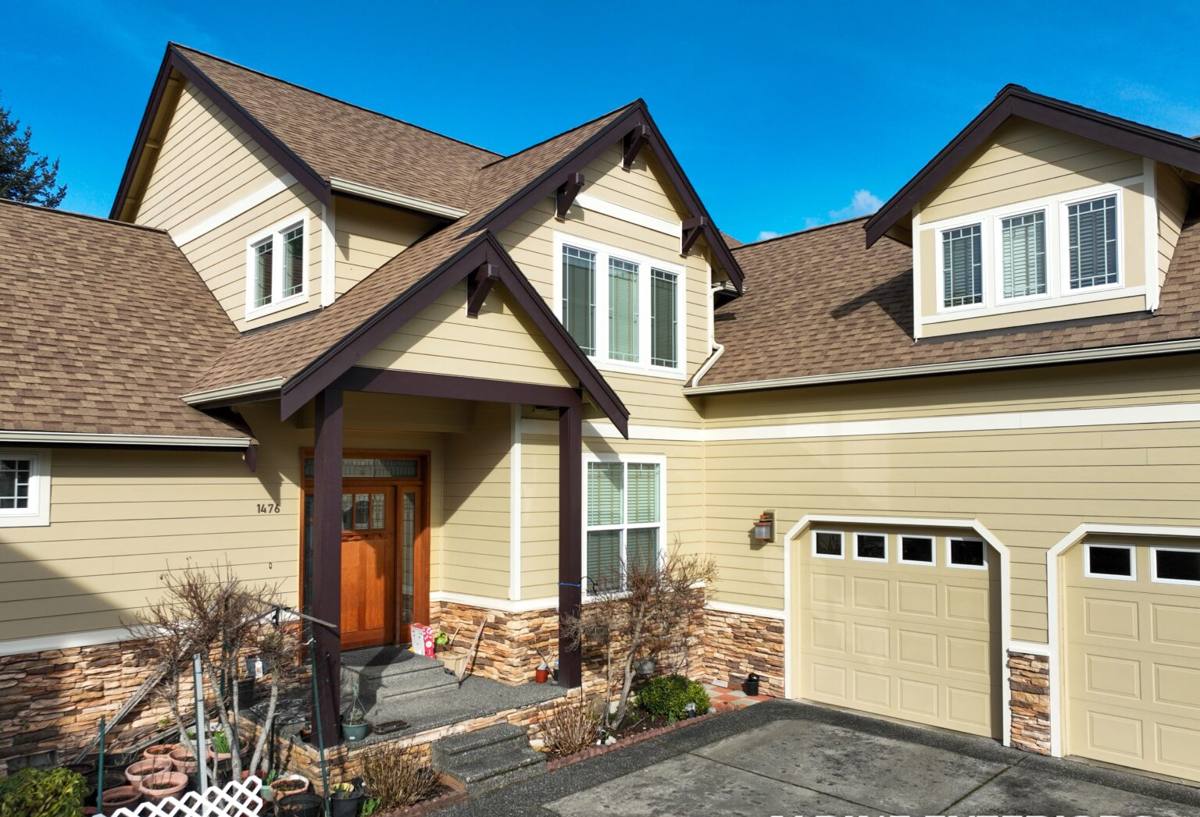
Signs a Blaine Home Needs Siding Replacement, Not Just Repair
Homeowners near the water often notice problems later than they should, because early symptoms look cosmetic. Here's what actually signals it's time to replace rather than patch:
- Soft or spongy spots when you press on the siding, especially near the bottom courses and around window trim
- Paint that's peeling or bubbling in patterns that keep coming back within a year or two of repainting
- Persistent moss or dark streaking that returns quickly after cleaning
- Visible warping, cupping, or separation at panel seams
- A musty smell in rooms along exterior walls, which can point to moisture already inside the wall assembly
- Siding that's original to a home built more than 20-25 years ago, particularly wood-based or older composite products
If you're seeing more than one of these, a repair is usually a delay tactic, not a fix. Once moisture gets behind siding on a coastal property like this, it tends to spread faster than it would inland.
What a Correct Siding Replacement Actually Involves
It Starts Underneath the Old Siding
The siding itself is only part of the system. A correct replacement means pulling the old material off entirely and inspecting the sheathing and framing underneath for rot or water damage before anything new goes up. Skipping this step is the single most common reason siding jobs fail early — new material installed over a compromised wall just hides the problem instead of solving it.
Water Management Comes Before the New Siding
In a climate with this much wind-driven rain, the weather-resistive barrier and flashing details matter as much as the siding brand. That means correctly lapped house wrap, properly flashed windows and doors, and drainage planes that let any moisture that does get behind the siding find its way back out instead of sitting against the wall.
Fastening and Clearances Matter More Near Salt Air
Fastener choice and spacing affect how well siding holds up to salt exposure and wind load. Correct installation also means keeping proper clearance between the bottom of the siding and grade, decks, and roof lines — a detail that's easy to shortcut and one of the most common causes of moisture damage on homes near the water.
Why We Install Only James Hardie Fiber Cement
We don't install every siding product on the market, and that's intentional. LP SmartSide, vinyl, Cemplank, Allura, primed spruce, and cedar are all products we get asked about, and each has genuine strengths — but each also comes with trade-offs we think matter more in a marine climate like Blaine's than they do elsewhere.
Vinyl is affordable and low-maintenance, but it can warp in temperature swings, and its seams and edges give moisture more opportunities to get behind the wall over time. Engineered wood products like LP SmartSide perform well when maintained closely, but they rely on an intact factory treatment and careful field sealing at every cut — miss one edge in a wet climate and moisture exposure becomes a real risk. Cedar and primed spruce are attractive but require ongoing refinishing to hold up against sustained rain and salt air, and that maintenance schedule is exactly what most homeowners are trying to get away from when they replace siding in the first place.
James Hardie fiber cement is non-combustible, doesn't support moss growth the way wood-based products can, and holds its factory-applied ColorPlus finish far longer than field-applied paint on other materials. Hardie also engineers specific product lines (HZ5, for example) for climates with heavier moisture exposure, which is a closer match to what a Blaine property actually experiences. It's why we standardized on one manufacturer instead of offering a menu of products with very different long-term outcomes.
Comparing Siding Options for a Blaine Property
| Material | Moisture Resistance | Maintenance | Fire Resistance | Typical Lifespan |
|---|---|---|---|---|
| James Hardie Fiber Cement | Strong, factory-engineered for moisture exposure | Low — factory finish, occasional washing | Non-combustible | 30+ years with correct install |
| Vinyl | Moderate — seams and edges are vulnerable | Low, but can warp or fade | Combustible | 15-25 years |
| Engineered Wood (LP SmartSide) | Good if treated edges stay sealed | Moderate — inspect and reseal cuts | Combustible | 20-30 years with upkeep |
| Cedar / Primed Spruce | Fair — absorbs moisture without upkeep | High — regular refinishing needed | Combustible | 15-25 years with maintenance |
This isn't a claim that other products fail — it's the honest reasoning behind why we chose to install one system rather than several, especially in a coastal climate that punishes shortcuts.
Our Process, Start to Finish
- On-site assessment — we look at your current siding, trim, and any visible moisture or moss issues before quoting anything
- Written estimate — scope, product line, color, and a clear timeline, no pressure to decide on the spot
- Tear-off and inspection — old siding removed, sheathing checked, any rot addressed before covering it back up
- Water management install — house wrap, flashing, and drainage details set correctly the first time
- Hardie installation — installed to manufacturer spec for fastening, clearance, and joint treatment
- Final walkthrough — we go over the finished work with you before calling the job done
What Affects the Cost of a Siding Replacement
| Factor | Why It Matters |
|---|---|
| Extent of hidden damage | Rotted sheathing found during tear-off adds repair scope before new siding goes up |
| Home size and wall complexity | More corners, dormers, and trim details mean more labor and material cuts |
| Siding profile and accessories | Lap width, trim boards, and accent details affect both material cost and install time |
| Access and site conditions | Steep grades, tight lot lines, or multi-story walls change staging and labor time |
| Existing paint or coatings | Removal and disposal of old finishes can add prep time on older homes |
We'd rather walk your property and give you real numbers than throw out a broad range that doesn't reflect your actual home.
Why a Crew That Already Works in Blaine Makes a Difference
Siding installation isn't identical everywhere in Whatcom County. A crew that's used to working this close to the water already knows to pay closer attention to fastener corrosion resistance, to flashing details around window and door openings, and to the clearance gaps that keep splash-back and moss from becoming long-term problems. That's not a marketing point — it's the difference between a crew learning a coastal property's quirks on your job and a crew that's already accounted for them before they show up.
It also means faster, more accurate estimates. When we've already worked on homes facing the same wind exposure and rain patterns as yours, we're not guessing at how the existing siding has held up or what's likely underneath it.
Keeping New Siding Performing Long-Term
Hardie siding is low-maintenance, not no-maintenance. A little attention keeps it performing the way it's designed to in this climate:
- Rinse off salt residue and grime a couple times a year, especially on walls facing open water or prevailing wind
- Keep gutters clear so overflow doesn't run down the siding face repeatedly
- Trim back vegetation that keeps siding shaded and damp, which is where moss takes hold fastest
- Check caulking around windows, doors, and penetrations annually and re-seal if it's cracked or pulled away
- Address any impact damage or chips promptly so the factory finish stays protecting the panel underneath
If you're seeing wear, moisture issues, or you're just ready to stop maintaining older siding through another wet Whatcom County winter, we're happy to take a look and put together a straightforward estimate — no pressure, no obligation. The form below is the easiest way to get started.