 Bellingham Exterior
 Homes in the York area of Bellingham sit close enough to the water and the tree line that roofs here work harder than roofs almost anywhere else in Washington. Salt-laden air off Bellingham Bay, driving rain that comes in sideways during fall and winter storms, and a moss season that can run eight or nine months out of the year all combine to shorten the life of a roof that wasn't built for this specific climate. When it's time for a new roof, the decision isn't just about picking a color and a material off a brochure — it's about specifying a system that will actually hold up to what Whatcom County throws at it.
This page covers what a correct new roof installation looks like for a York-area home, what we watch for on these particular streets and lots, and how our process works from first call to final walkthrough.
What York-Area Homes Are Up Against
York is an older, established Bellingham neighborhood with a good mix of home ages and roof styles — mid-century ranches, updated bungalows, and newer infill construction all sit within a few blocks of each other. That mix means no two roof jobs here look exactly the same, but the climate challenges are consistent across the neighborhood.
Salt Air and Metal Fatigue
Proximity to Bellingham Bay means airborne salt settles on roofing components year-round. Left unmanaged, salt exposure accelerates corrosion on exposed fasteners, flashing, and any metal roofing accessories that aren't rated for coastal use. This is one of the most overlooked factors in a new roof installation — the shingles themselves might carry a 30-year warranty, but if the flashing and fasteners underneath aren't corrosion-resistant, they can fail years before the field material does.
Driving Rain
Bellingham doesn't just get rain — it gets rain pushed sideways by wind off the water, especially during fall and winter frontal systems. That kind of weather finds every weak point in a roof: undersized underlayment laps, poorly sealed valleys, and flashing details that were installed to a minimum standard instead of a coastal standard. A roof built for a drier inland climate will leak here even if it's installed "to code," because code is a floor, not a target.
Moss Season
Whatcom County's long, mild, wet stretch from fall through spring is close to ideal moss-growing weather. Moss holds moisture against the roof surface, works its way under shingle tabs, and lifts material over time, which opens the door to water intrusion long before the shingles themselves have worn out. Roofs with heavy tree cover or north-facing, shaded slopes are especially prone to it, and York's mature tree canopy means a lot of homes here fall into that category.
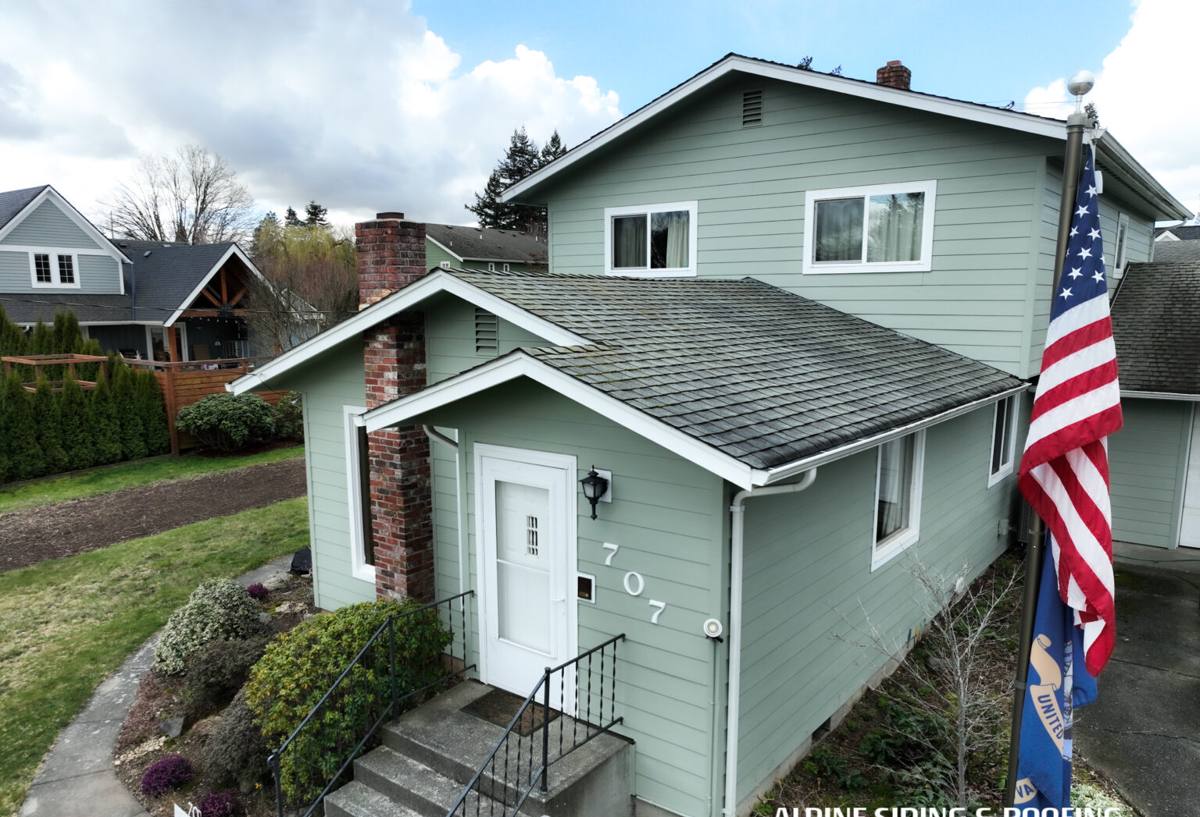
What a Correct New Roof Installation Involves
A new roof is a system, not a single product. Every layer has a job, and skipping or downgrading any one of them is where premature leaks and warranty disputes come from.
Tear-Off and Deck Inspection
We remove the existing roofing down to the deck rather than layering over old material. This lets us actually see the plywood or plank sheathing underneath — soft spots, old water staining, and rot from past leaks only show up once the old roof is off. Any damaged decking gets replaced before anything new goes down; installing a new roof over a compromised deck just hides the problem for another few years.
Underlayment
Given how much wind-driven rain this area sees, we don't treat underlayment as an afterthought. A synthetic underlayment with a self-adhering, ice-and-water-shield membrane at eaves, valleys, and around penetrations gives the roof a second line of defense if wind ever drives water up and under the shingle tabs — which happens more often here than in drier parts of the state.
Flashing
Flashing around chimneys, skylights, sidewalls, and valleys is where the majority of roof leaks actually originate — not in the field of the roof itself. We use corrosion-resistant flashing material and integrate it correctly with the underlayment and shingle courses, which matters more here than in inland areas because of the salt air factor discussed above.
Ventilation
A roof that isn't ventilated correctly traps moisture in the attic, which shortens the life of the decking and the roofing material from underneath — the opposite direction most homeowners are watching. Balanced intake and exhaust ventilation is part of a correct installation, not an upsell.
Field Material Installation
Shingles, panels, or whatever material is specified get installed to the manufacturer's fastening pattern and exposure — not a faster, looser pattern that saves labor time but reduces wind resistance. Given the storm exposure York homes see, proper nailing pattern and fastener count is not optional.
Choosing a Roofing System for This Climate
There isn't one "right" roofing material for every York home — the right choice depends on the roof's pitch, sun and shade exposure, budget, and how the home looks from the street. Here's how the common options compare against the specific pressures of salt air, rain, and moss.
| Material | Moss Resistance | Wind-Driven Rain Performance | Salt Air Durability | Typical Lifespan Here |
|---|---|---|---|---|
| Architectural asphalt shingle | Moderate — needs periodic cleaning on shaded slopes | Good, with proper underlayment and flashing | Good with corrosion-resistant fasteners/flashing | 20-30 years |
| Standing seam metal | Very good — sheds moss with less debris buildup | Excellent | Requires coastal-rated coatings and fasteners | 40-50+ years |
| Synthetic/composite shingle | Good — resists moisture absorption | Good | Good, generally corrosion-neutral material | 30-50 years |
| Wood shake | Poor without regular maintenance | Fair — more seams and gaps to manage | Fair — accelerated weathering near salt air | 20-30 years with upkeep |
We're upfront that we steer most York-area clients away from wood shake unless they're committed to an ongoing maintenance schedule. It's not that shake is a bad product — it's that in a climate with this much sustained moisture and moss pressure, it demands more upkeep than most homeowners want to sign up for, and the maintenance burden shows up as a real cost over the life of the roof.
Our Process, Start to Finish
- On-site assessment. We walk the roof, check the attic for ventilation and moisture issues, and look at tree cover, sun exposure, and drainage patterns specific to your lot.
- Written estimate. You get a clear scope of work and pricing before anything is scheduled — no vague allowances buried in the fine print.
- Material selection. We walk through the options above based on your roof's specific exposure, not a one-size-fits-all recommendation.
- Scheduling around the weather window. We plan installs for stretches of drier weather where possible and have a plan for protecting an open roof deck if conditions shift mid-project.
- Tear-off, deck repair, and installation. Full removal of old material, deck inspection and repair as needed, then installation of underlayment, flashing, ventilation, and field material in that order.
- Daily site cleanup. Nail sweeps and debris removal happen every day the crew is on-site, not just at the end of the job.
- Final walkthrough. We go over the finished roof with you, explain what was done, and cover warranty paperwork before we consider the job complete.
Signs a York Home May Need a New Roof, Not a Repair
- Shingles curling, cracking, or losing granules across large sections rather than one isolated spot
- Daylight visible through the roof deck from inside the attic
- Recurring leaks in the same general area even after past repairs
- Heavy, persistent moss growth that returns quickly after cleaning
- Sagging rooflines or soft spots felt underfoot during inspection
- Roof age at or beyond the manufacturer's expected service life for the material and local climate
- Rising energy bills tied to poor attic ventilation or insulation gaps at the roofline
Not every one of these means a full replacement is required — some are repairable. Part of an honest assessment is telling you when a repair is the right call instead of pushing a full new roof you don't need yet.
Cost Factors for a York-Area New Roof
Pricing a new roof honestly means walking through what actually drives the number, rather than quoting a flat per-square rate that doesn't hold up once we're on your actual roof.
| Factor | Why It Matters Here |
|---|---|
| Roof size and pitch | Steeper roofs and complex rooflines take longer to work safely and use more material |
| Deck condition | Moisture-damaged decking found during tear-off adds material and labor to replace |
| Material choice | Asphalt, synthetic, and metal systems carry different material and labor costs |
| Flashing and penetrations | Chimneys, skylights, and multiple roof planes add flashing detail work |
| Tree cover and access | Heavy canopy affects staging, debris management, and moss-prevention prep |
| Ventilation upgrades | Older York homes often need intake or exhaust vent upgrades as part of the job |
Broad ranges for a full tear-off and replacement on a typical single-family home in this area generally run from the mid five figures for straightforward asphalt shingle jobs up toward higher figures for metal or complex rooflines — but the only way to get a number that means anything is a walk of your actual roof.
Why a Local Crew Matters for This Job
A new roof installation is one of the few home projects where the installer's familiarity with your specific microclimate actually changes the outcome. A crew that regularly works Whatcom County knows which slopes in a neighborhood like York tend to hold moss longest, which flashing details need extra attention given the salt air off the bay, and how to sequence a job around the region's rain patterns instead of guessing. That local pattern recognition is difficult to replicate with a crew that mostly works drier, inland climates and treats every roof the same way.
There's also a practical service-life argument: a company based in and around Bellingham is the one you can call back in five or ten years if a warranty issue comes up, rather than chasing down a crew that came through once and moved on.
Vetting a Roofing Contractor for This Kind of Work
Whoever you hire for a new roof, a few things are worth confirming before you sign anything:
- Current Washington state contractor license and liability insurance, verifiable independently rather than just taken on their word
- A written scope of work that specifies underlayment type, flashing material, and ventilation plan — not just "shingles and labor"
- Manufacturer certification for the specific product line being installed, which affects what warranty coverage is actually available
- A clear explanation of how they'll handle weather delays mid-project, given how unpredictable Bellingham's rain windows can be
- References or past work you can actually see, ideally on homes with similar exposure to yours
If a quote seems dramatically lower than others you've gotten, ask specifically what underlayment and flashing package is included — that's usually where corners get cut to hit a lower number.
If your York-area roof is showing its age or you're just starting to plan ahead, we're happy to walk it with you and give you a straight answer about what it needs. Reach out for a free, no-pressure estimate using the form below.